
Lift & Elevator Service in Bangladesh
Planning a new lift or dealing with an existing elevator problem? Start with the building, lift condition, location and actual service requirement. Dhaka Lift Solutions can review project information for installation, maintenance, repair and technical support.
The requirement may involve a new lift installation, planned maintenance, fault repair, inspection, parts support or modernization. The correct next step depends on the building, installed equipment, lift condition and project location. A site and technical review helps define the actual scope before quotation.
Support for new and existing lift systems
A lift project does not end with equipment supply. Shaft conditions, installation, electrical interfaces, commissioning and later service all affect how the system performs in the building.
Review the building type, expected use, shaft information and project requirements before equipment selection and quotation.
Installation scope should be coordinated with the shaft, pit, overhead, electrical supply, access and other site conditions.
Planned servicing can include condition checks, cleaning, adjustment and review of relevant mechanical and electrical parts according to the installed lift system.
A repair should begin with fault assessment. The cause may involve the controller, drive, door system, safety circuit, machine or another component.
Older lifts may need selected controls, drives, doors or other components reviewed rather than automatic full replacement.
Inspection can help define condition, repair priorities, modernization needs or information required for the next project decision.
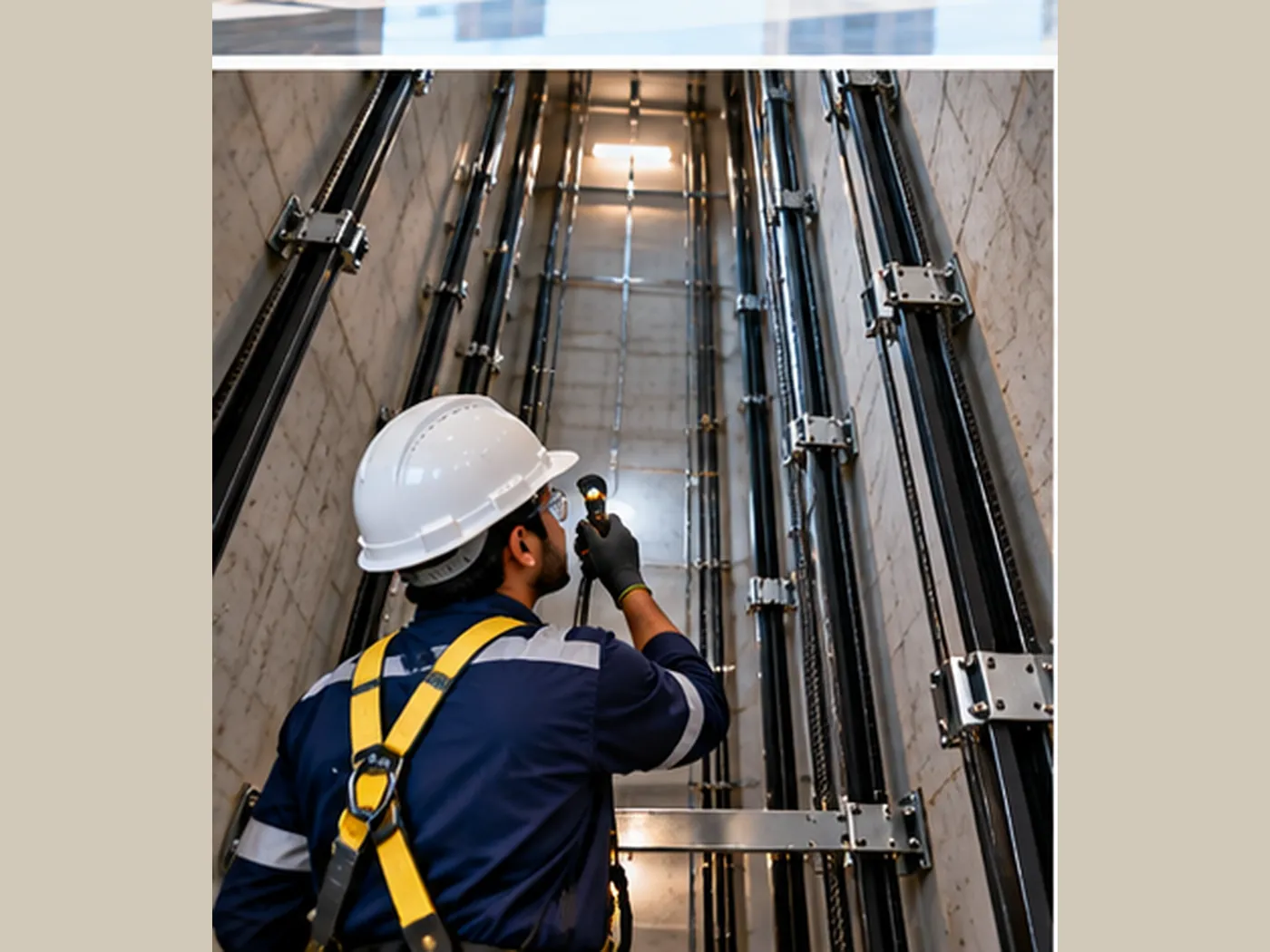
Start with the building, not a generic lift specification
Two buildings with the same number of floors may still need different lift planning.
Building use, passenger demand, shaft dimensions, pit and overhead conditions, access, power arrangements and the selected elevator system can all change the project requirement.
From first enquiry to technical handover
The exact process changes with the project, but a clear sequence helps prevent important site information from being missed.
Share the building, lift type, location and current project stage.
Review shaft information, intended use and relevant site conditions.
Define the equipment or service scope before commercial discussion.
Coordinate approved installation, repair or modernization work.
Complete the required checks for the selected system and project.
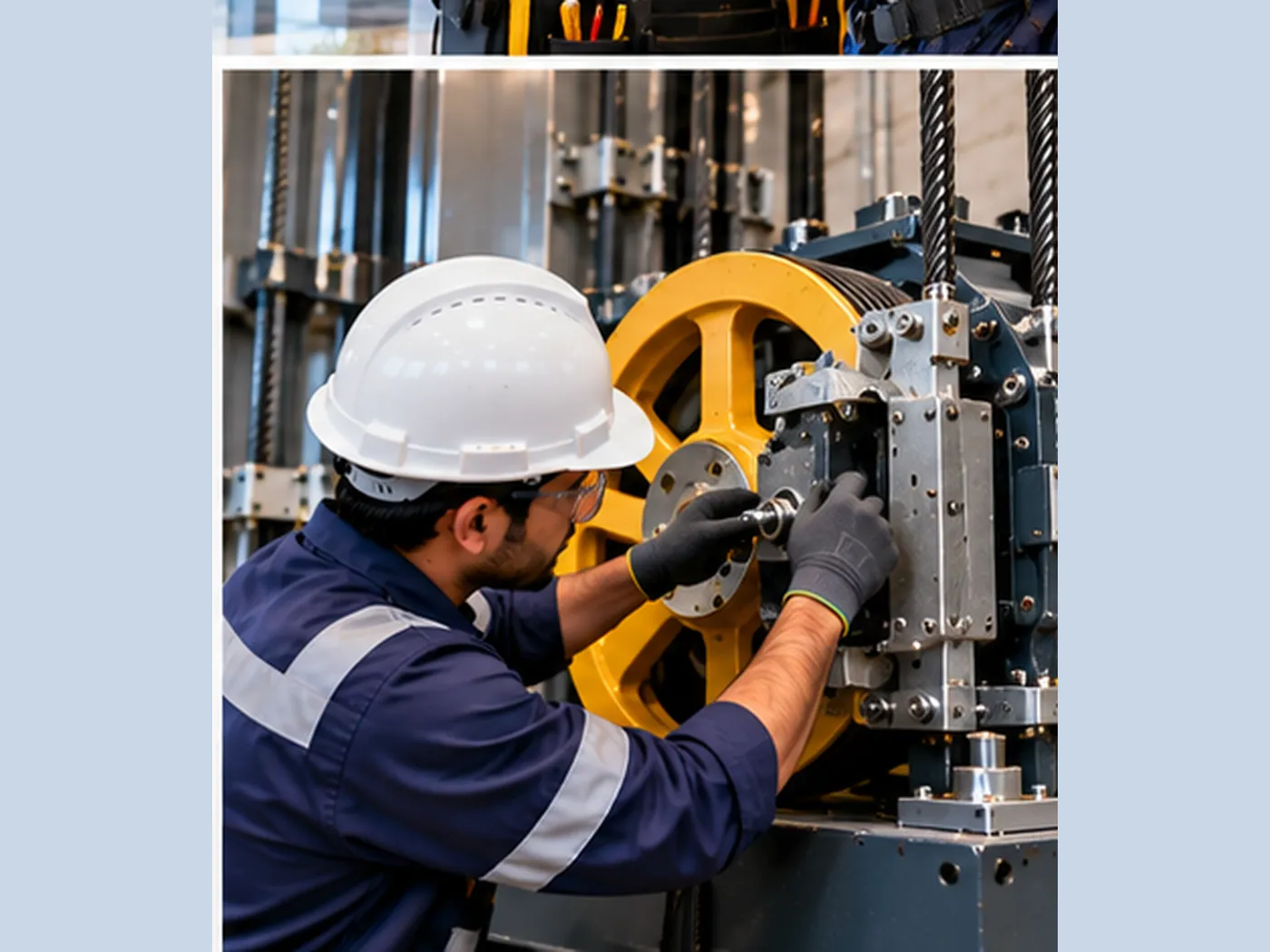
Lift service needs both mechanical and electrical diagnosis
A fault message or passenger complaint does not always identify the failed component.
The technician may need to inspect the relevant control, drive, door, machine, sensor, wiring or safety circuit before deciding what work is needed.
Different buildings create different lift-service needs
Selection and maintenance should reflect how people or goods actually use the elevator.
Daily passenger use, family access and building management affect lift planning and service needs.
Traffic patterns and busy arrival or departure periods should be considered when planning a new system.
Patient movement and operational requirements can require a more specific technical assessment.
Guest circulation and back-of-house movement may create different elevator requirements within one property.
Shops, offices and mixed-use buildings need lift planning based on actual traffic and building layout.
Goods movement, operating environment and duty requirements should be defined before selecting equipment.
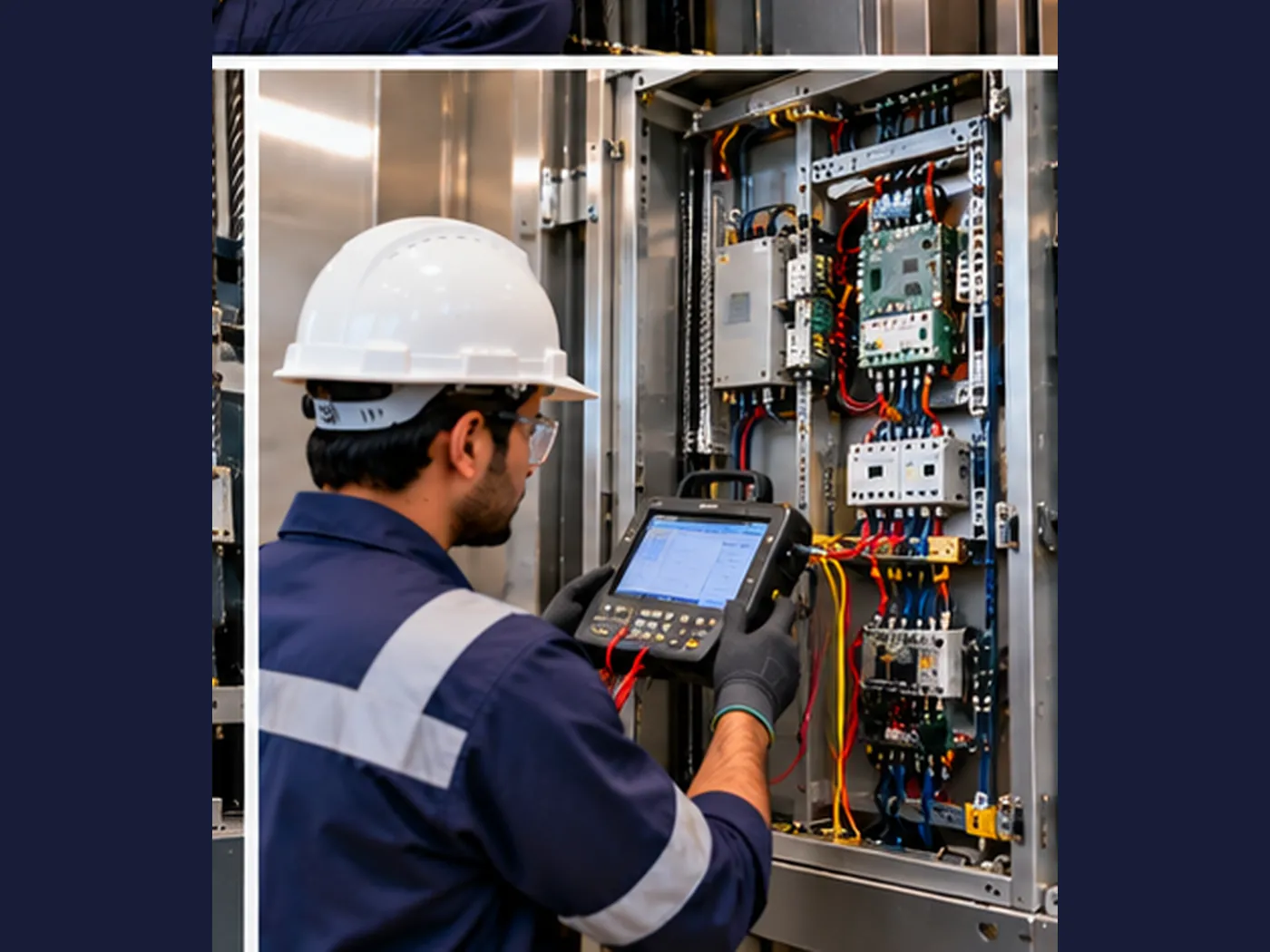
Installation is not the final technical step
Before a newly installed or substantially modified lift is handed over, the relevant system checks, adjustments and tests should be completed according to the selected equipment, approved project requirements and applicable rules.
Bangladesh's building-code framework includes lift and escalator considerations covering safety, inspection, operation and maintenance. The exact requirements for a project should be checked against the applicable current documents and authority requirements.
Information that matters before service is scheduled
Send the building location with your enquiry. Do not assume the same response arrangement applies to every district or every type of work.
Share the district, city or area and enough project information to review access and service scope.
Shaft readiness, civil work and equipment access should be coordinated before installation starts.
Existing shaft dimensions, structural conditions and electrical arrangements may limit available options.
Send the brand or system information where known, controller and machine details, fault description and clear photographs.
Model numbers, part numbers and installed-component photos reduce the risk of incorrect identification.
Plan service access before a lift becomes a building problem
A completed installation still needs an appropriate maintenance and technical-support plan.
The service requirement should reflect the installed system, operating environment, building use and actual equipment condition.
- Keep available lift and controller information.
- Record recurring faults instead of repeatedly resetting them.
- Keep machine and control areas accessible to authorized personnel.
- Report unusual noise, door behaviour or operating changes.
- Use correctly identified replacement parts.

Looking for service in a specific area?
This page covers broad Bangladesh lift-service intent. Use the relevant local page when you need information for a specific service area. Local availability should still be confirmed for the actual project.
Send useful project details from the first message
Clear information makes it easier to understand whether you need installation planning, maintenance, repair, parts or a broader technical assessment.
District, city or area and project address information.
Apartment, office, hospital, hotel, commercial or other use.
Include the floors the lift is expected to serve.
State whether this is a new project or an installed system.
For existing lifts, include useful machine, controller, door and component photos where safe to obtain.
Describe the fault, maintenance need, modernization plan or new installation requirement.
Lift service Bangladesh FAQ
Practical answers before you send a new-project or service enquiry.
What information is needed for a new lift project?
Start with the building type, location, number of floors, available shaft information, expected lift use and project stage. A technical review can then identify what additional information is required.
Can an existing elevator be inspected before repair?
Inspection is useful when the fault is unclear or when several components may be involved. The findings can help define whether the lift needs repair, maintenance, parts or modernization.
How often should a lift be maintained?
There is no useful universal interval for every elevator on this page. The maintenance plan should follow the installed equipment, manufacturer requirements, usage, condition, applicable rules and agreed service scope.
Can an old elevator be modernized instead of fully replaced?
Sometimes. The existing machine, controller, drive, doors, safety components, shaft and overall condition should be assessed before deciding the modernization scope.
Do you need the lift brand for a repair enquiry?
Brand and model information can help, but clear controller, machine and component identification is also useful. Send readable labels, part numbers and photographs where available.
Is lift service available everywhere in Bangladesh?
Project location and required work should be provided before service coverage is confirmed. Installation, inspection, maintenance and repair can involve different logistics, so availability should be checked for the specific project.
What affects a lift service quotation?
The scope can depend on the lift system, condition, fault, required parts, building access, location and amount of technical work needed. A quotation should follow enough information to define the work.
Need lift service for a building in Bangladesh?
Send the building location, number of floors, lift type or existing system details, photos where relevant, and a short description of the work you need. The technical requirement can then be reviewed before the next step is discussed.