Is the existing equipment worth relocating?
Review condition, age-related issues, damage, maintainability and the practical value of retaining major components.

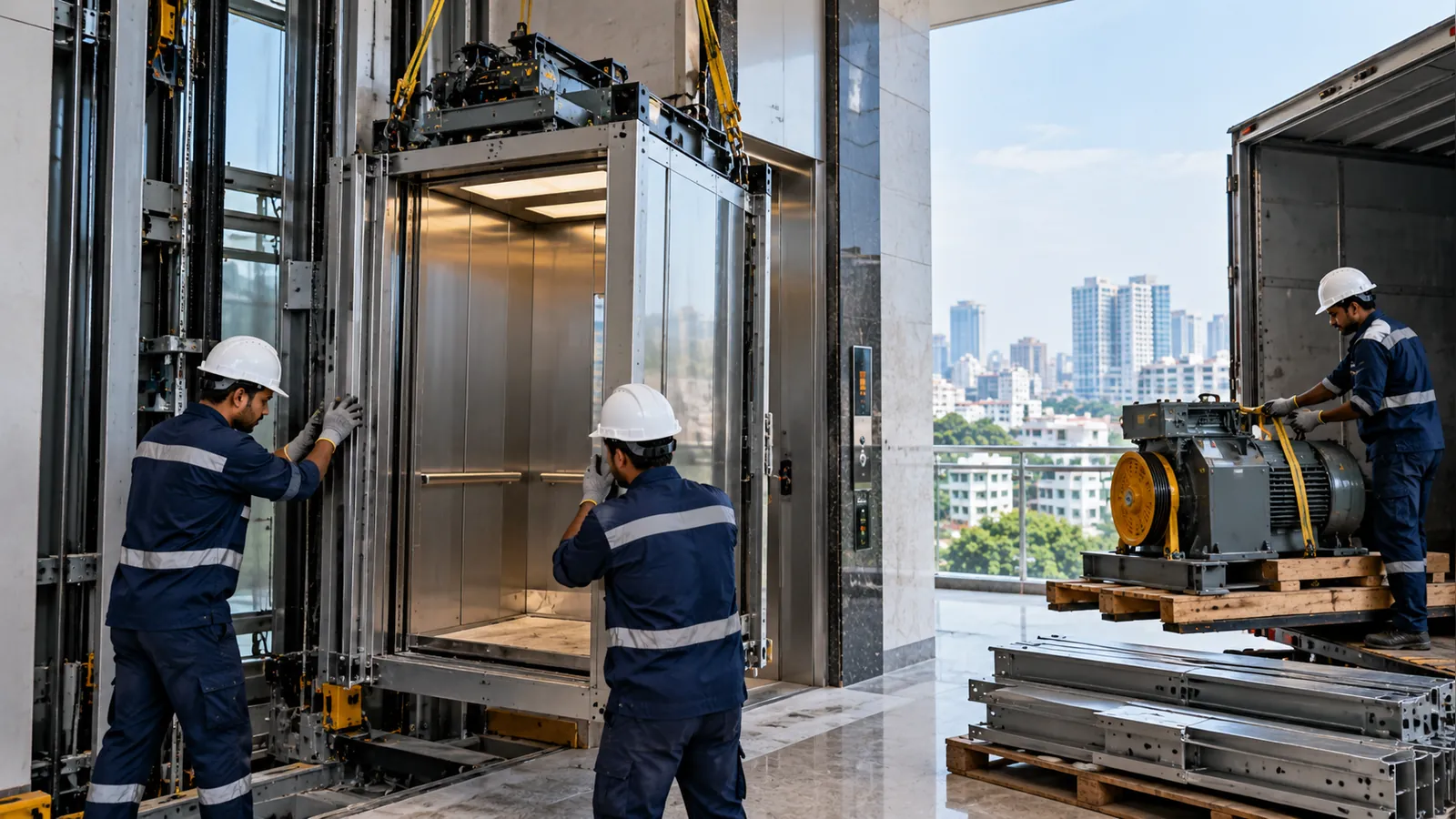
Moving an existing elevator is not simply a transport job. The lift has to be assessed at its present location, dismantled in a controlled sequence, protected during movement and checked against the shaft and building conditions at the destination before reinstallation.
Dhaka Lift Solutions can assess a proposed relocation project to determine the technical scope before dismantling begins.
Potentially, yes—but feasibility depends on the condition and configuration of the existing equipment and whether the destination building can accommodate it. Shaft dimensions, pit and overhead space, machine arrangement, access, power, landing configuration and equipment condition should be reviewed before committing to a move.
A relocation project should start with evidence, not assumptions. The fact that a lift fits one building does not mean it will fit another building without modification.
Review condition, age-related issues, damage, maintainability and the practical value of retaining major components.
Compare shaft dimensions, number of stops, landing arrangement, pit, overhead and relevant machine-space conditions.
Check access routes, working space and how large or heavy assemblies can leave the old site and enter the new one.
Some equipment may be reusable while other parts need adaptation, replacement or redesign for the destination installation.
Dismantling first and checking the destination later creates avoidable risk. A relocation assessment should compare the existing lift with the new site while the original equipment can still be inspected in place.

The project has to connect conditions at the old building with conditions at the new building. Documentation during dismantling is particularly useful because components, wiring and interfaces later have to be identified during reassembly.
Inspect the existing lift and proposed destination.
Define reusable equipment, modifications, handling and site preparation.
Remove equipment in a controlled sequence and identify components.
Install suitable equipment into the prepared destination lift system.
Complete required checks and commissioning before normal operation.
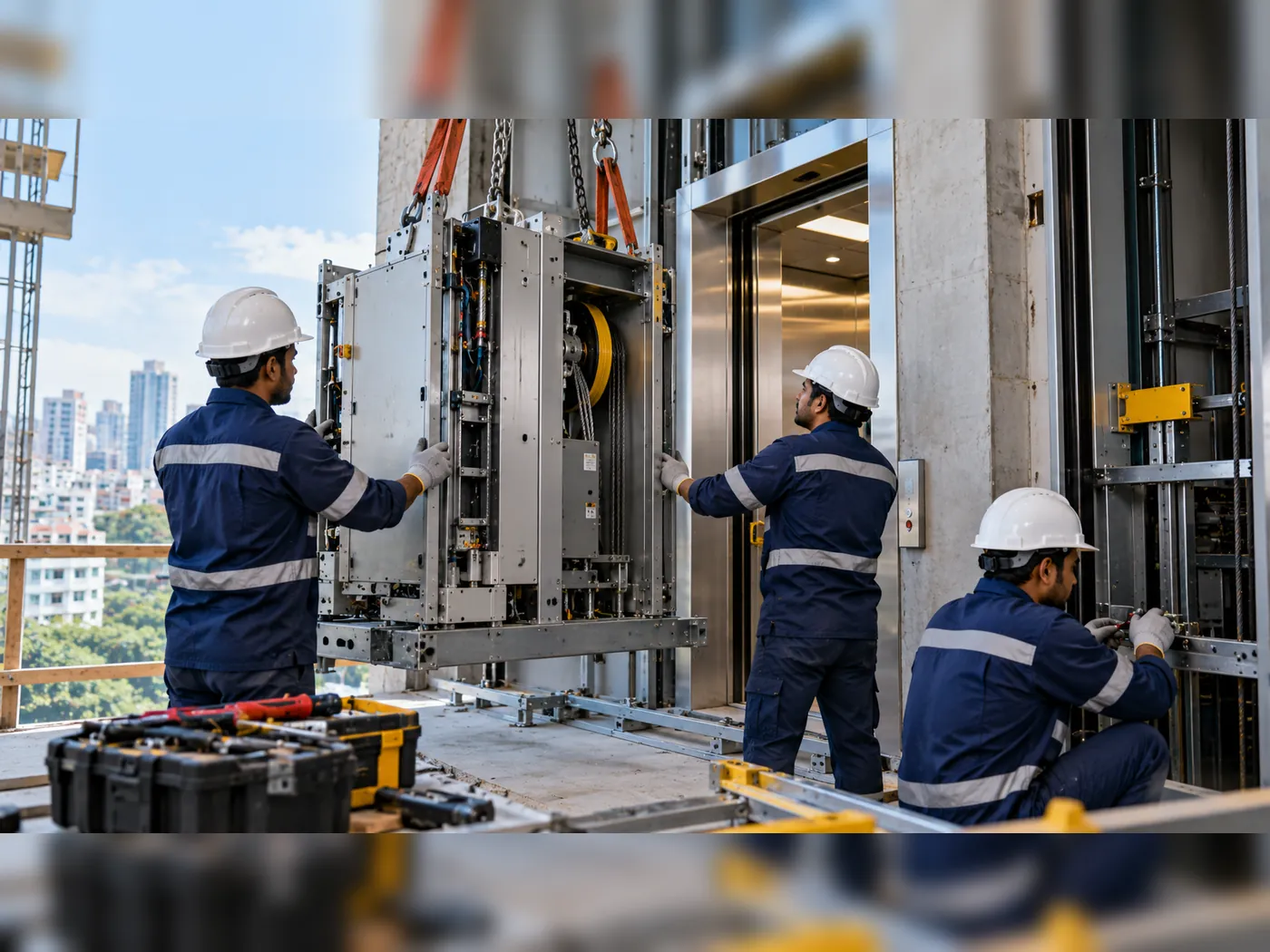
During dismantling, the objective is not merely to remove equipment from the shaft. Components that will be reused need to remain identifiable and protected for the next stage of the project.
Relocation can expose a difficult question: which equipment still makes sense to reuse? The answer depends on condition, compatibility and the destination design—not simply whether a component can physically be removed.


“Move the lift” can mean very different amounts of work. A useful assessment separates the relocation itself from building work, replacement parts and modernization that may become necessary.
Bangladesh National Building Code materials cover lifts and escalators, including safety, design, inspection/certification, operation and maintenance. The requirements applicable to a specific relocated installation should therefore be checked for the actual project rather than assumed from the original building.
This page was reviewed on 27 September 2026. Project-specific regulatory, approval and safety requirements should be verified against the current requirements applicable to the building and location.
The most important questions usually need to be answered before the existing elevator is dismantled.
It may be possible, but suitability depends on the condition and configuration of the lift and the physical and technical conditions of the destination. Both sites should be assessed before dismantling.
The destination shaft and installation geometry need to be compatible with the equipment being reused. Differences in shaft width, depth, pit, overhead, landing positions or machine arrangement can change the required scope.
That should not be assumed. Equipment condition, dimensions, compatibility and destination requirements need to be checked. Some components may be reusable while others may require replacement or modification.
Yes. Checking the destination first helps identify dimensional, access, electrical and building-work issues while the original lift can still be inspected in its installed condition.
Transport and special handling requirements should be confirmed in the project scope. Access, equipment size, loading arrangements and the distance between sites can affect what is required.
Reinstallation changes the physical installation and connections. Appropriate testing and commissioning should therefore form part of returning the relocated lift to normal operation, with project-specific requirements verified for the destination.
Provide the existing and destination building locations, lift type, number of stops, available shaft dimensions, equipment photos and any available controller, motor or lift documentation. Destination drawings or measurements are also useful when available.
Not necessarily. The result depends on the condition of reusable equipment, destination modifications, replacement parts, transport, installation work and any modernization required. A technical assessment is needed before comparing the alternatives.
Start with the two sites, not with dismantling. Share the existing lift details and destination information so the likely compatibility, site-preparation and relocation scope can be assessed before quotation.