Main control board
A central electronic board used within a compatible elevator controller for system logic, inputs, outputs and related control functions.
Identify the controller and exact PCB code.
Need a replacement elevator PCB? Identify the existing board before ordering. Board code, controller model, connectors, wiring and the actual fault all matter when checking a replacement.
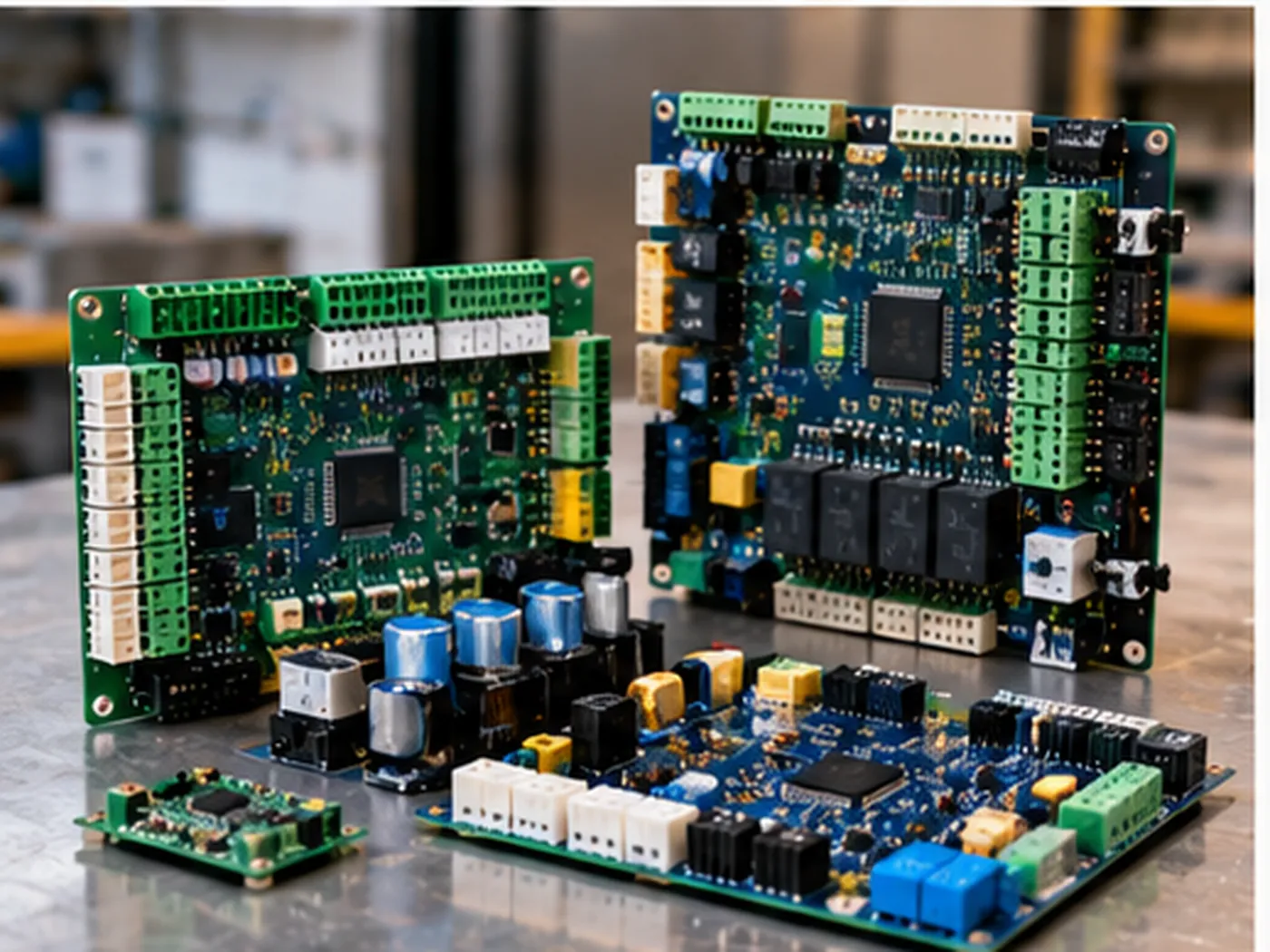
Elevator control cabinets can contain several printed circuit boards. A green PCB with similar connectors is not automatically a suitable replacement for another green PCB.
Look for the exact board code, revision marking and other identification printed on the PCB or label. Photograph the complete board as well as the markings.
“Elevator PCB” is a broad buyer term. Depending on the lift system, separate boards can handle control logic, communication, car-top functions, doors, displays or other subsystem tasks.
A central electronic board used within a compatible elevator controller for system logic, inputs, outputs and related control functions.
Identify the controller and exact PCB code.Used where elevator modules exchange signals through a communication network or interface.
Communication arrangement must match the system.An electronic module associated with equipment and signals around the elevator car-top area in applicable systems.
Connector positions and system architecture matter.A board used within certain elevator door-operator systems to handle door-related control functions.
Door operator model should be identified.Electronic boards can also sit behind floor indicators, COP/LOP displays or passenger-control components.
Use the dedicated display/button page for that component family.Some drive and inverter systems contain replaceable electronic boards, but these should not be treated as a generic controller PCB.
Drive model and electrical context are essential.A control board works through its connections to sensors, operating panels, door equipment, drives and other elevator circuits. That is why the installed context matters when a board is replaced.
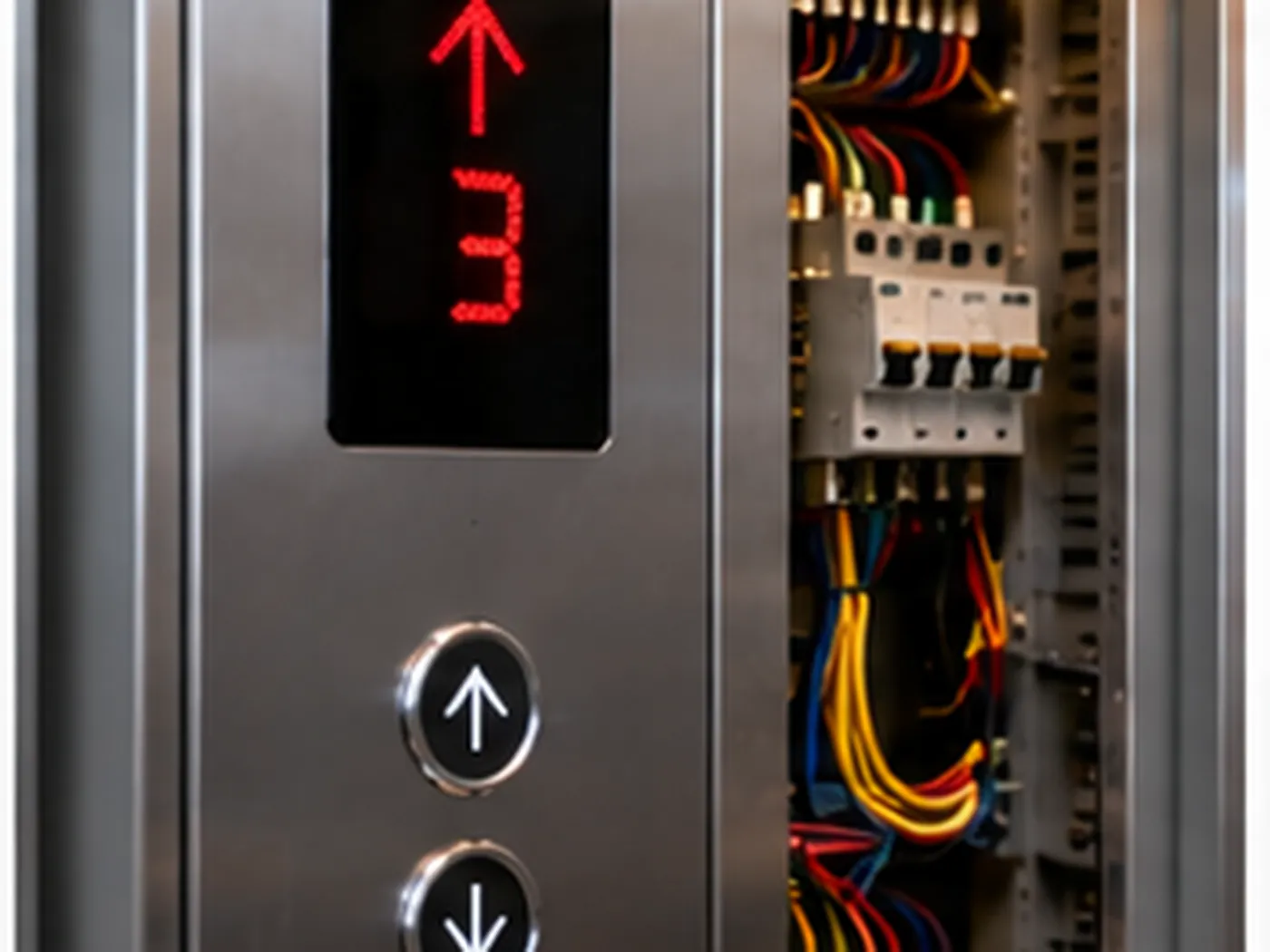
Before replacing an expensive electronic board, the fault should be narrowed down. External wiring, power supplies, sensors, connectors or another subsystem can sometimes produce symptoms that appear to be a board problem.
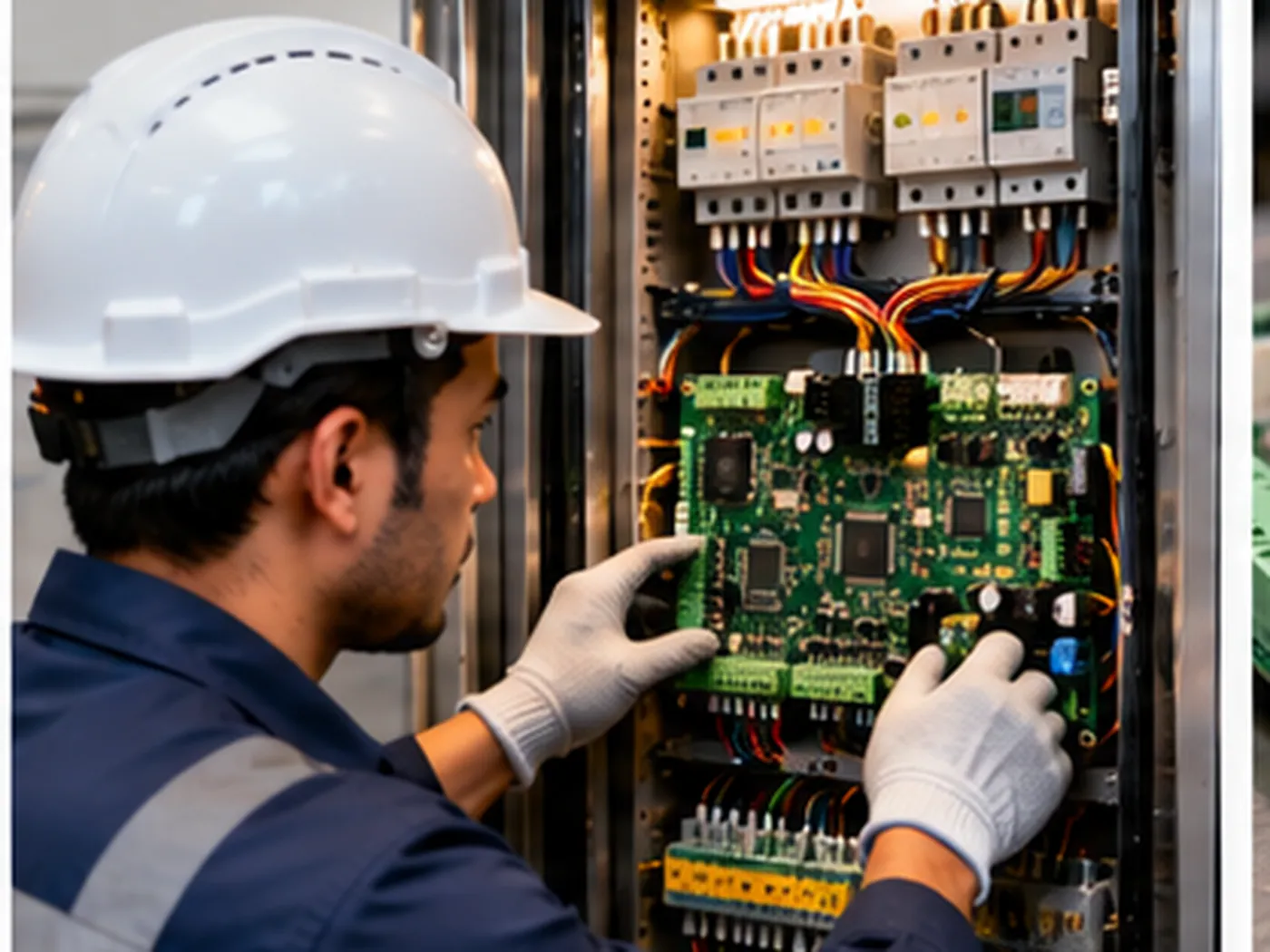
Note the exact behaviour, displayed fault information and when the problem occurs.
Look for obvious heat damage, contamination, loose connectors or physically damaged components without assuming that visible damage is the only possible fault.
Incorrect or missing power and poor wiring connections can affect electronic-board operation.
Sensors, door equipment and other modules connected to the board may need to be considered during diagnosis.
Record the board code, revision and controller details before removing or sourcing the replacement.
There is no single answer for every board. The decision depends on the fault, board condition, availability of the correct replacement and whether the repaired or replacement board can be properly tested in the elevator system.
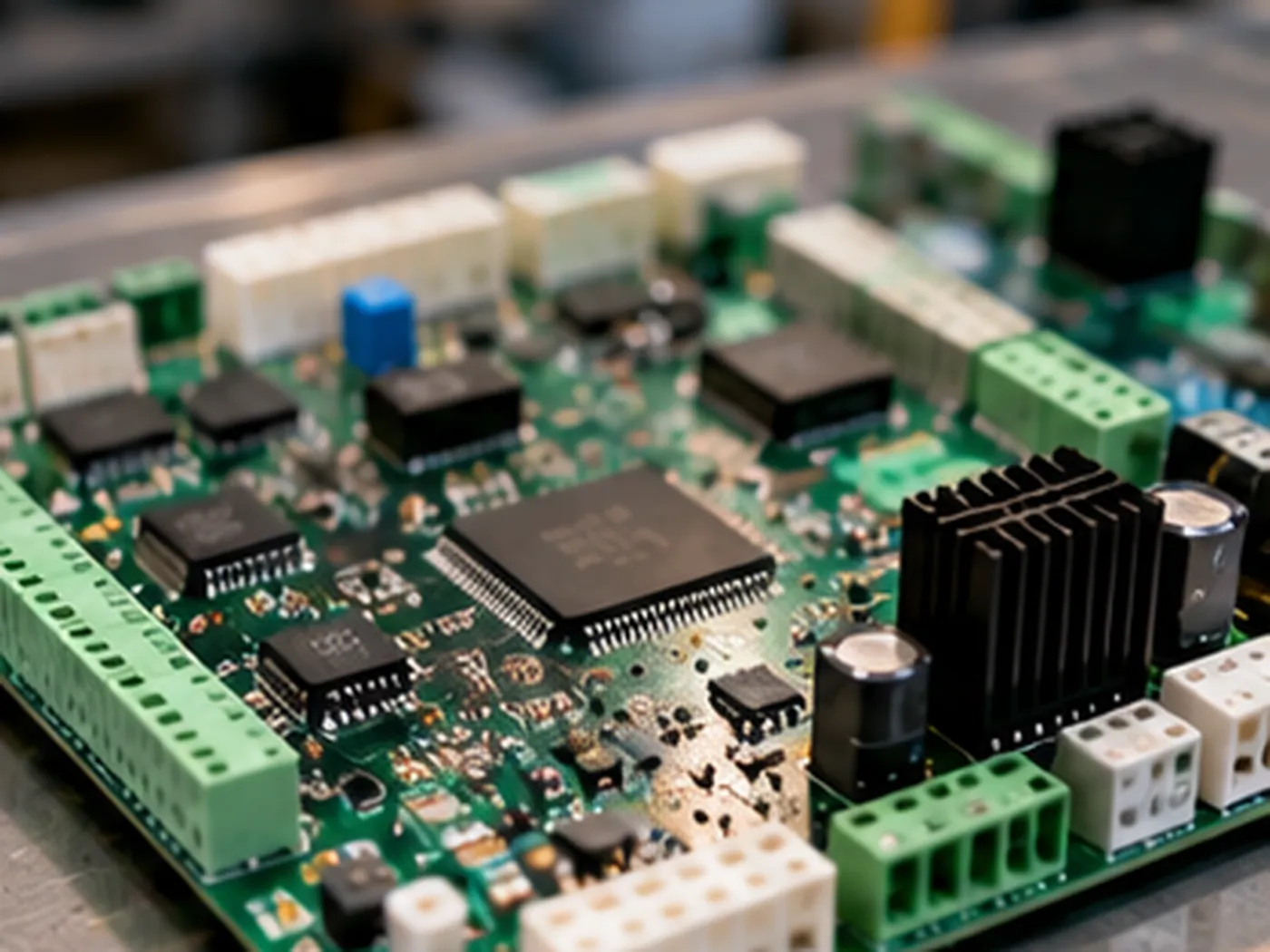
Take the identification photos while the original installation can still be documented clearly. That makes it easier to compare a replacement later.
PCB pricing varies by the exact electronic board and sourcing requirement. A meaningful quotation starts with correct identification rather than a generic “lift PCB” request.
Do not remove identification labels or send only a close-up of one electronic component. The complete board and controller context are more useful.
PCB means printed circuit board. Elevator systems can use multiple PCBs for control logic, communication, door operation, displays and other electronic functions depending on the controller design.
No. Board code, revision, controller, connectors, electrical requirements, communication arrangement and configuration may differ. Compatibility should be verified for the actual elevator system.
Start with clear photos of the complete board and every readable model, part or revision number. Also photograph the connectors, installed position and controller identification.
Some electronic-board faults may be repairable, while others may require replacement. The practical option depends on the actual failure, board condition, component availability and ability to test the board properly afterward.
The controller gives important context for the board's role and interface. It can help distinguish boards with similar appearance or similar numbering.
Electronic-board problems can have different causes, including component failure, electrical problems, damaged connections, contamination or faults elsewhere in the connected system. The cause should be diagnosed rather than assumed.
The exact board type, model, revision, compatibility requirements, availability and whether the job involves supply, repair, configuration, fitting or troubleshooting can affect the quotation.
A photo can help, but the board code and controller details are much safer identification points. Send several clear photos plus every readable number rather than relying on appearance alone.
Correct identification is the first step toward deciding whether the problem needs PCB replacement, repair assessment or wider controller troubleshooting.