Plan the lift around the building
Use building type, floors, expected traffic, available shaft space and project stage to narrow the suitable solution.

Tongi lift supply, installation & service
Need a lift for a new building, or help with an existing elevator in Tongi? Start with the site, building use and actual technical need. Dhaka Lift Solutions can review project information for lift supply, installation, maintenance, repair and related technical work.
Share the building location, floor count, shaft status and required service. For an existing lift, add the brand/model and fault symptoms if available.
Local project context
Tongi is part of Gazipur City Corporation and includes established industrial areas as well as dense residential, commercial and institutional development. The project brief should reflect the building, not just the location name.
BSCIC Industrial Estate is in Tongi, and factory or warehouse sites may need careful planning for goods movement, access, work schedules and maintenance windows.
Passenger flow, available shaft space, floor count and future servicing access usually matter more than decorative features at the first planning stage.
For occupied factories, offices, hospitals or shops, site access and safe work areas should be agreed before installation or repair work begins.
Start with a site check
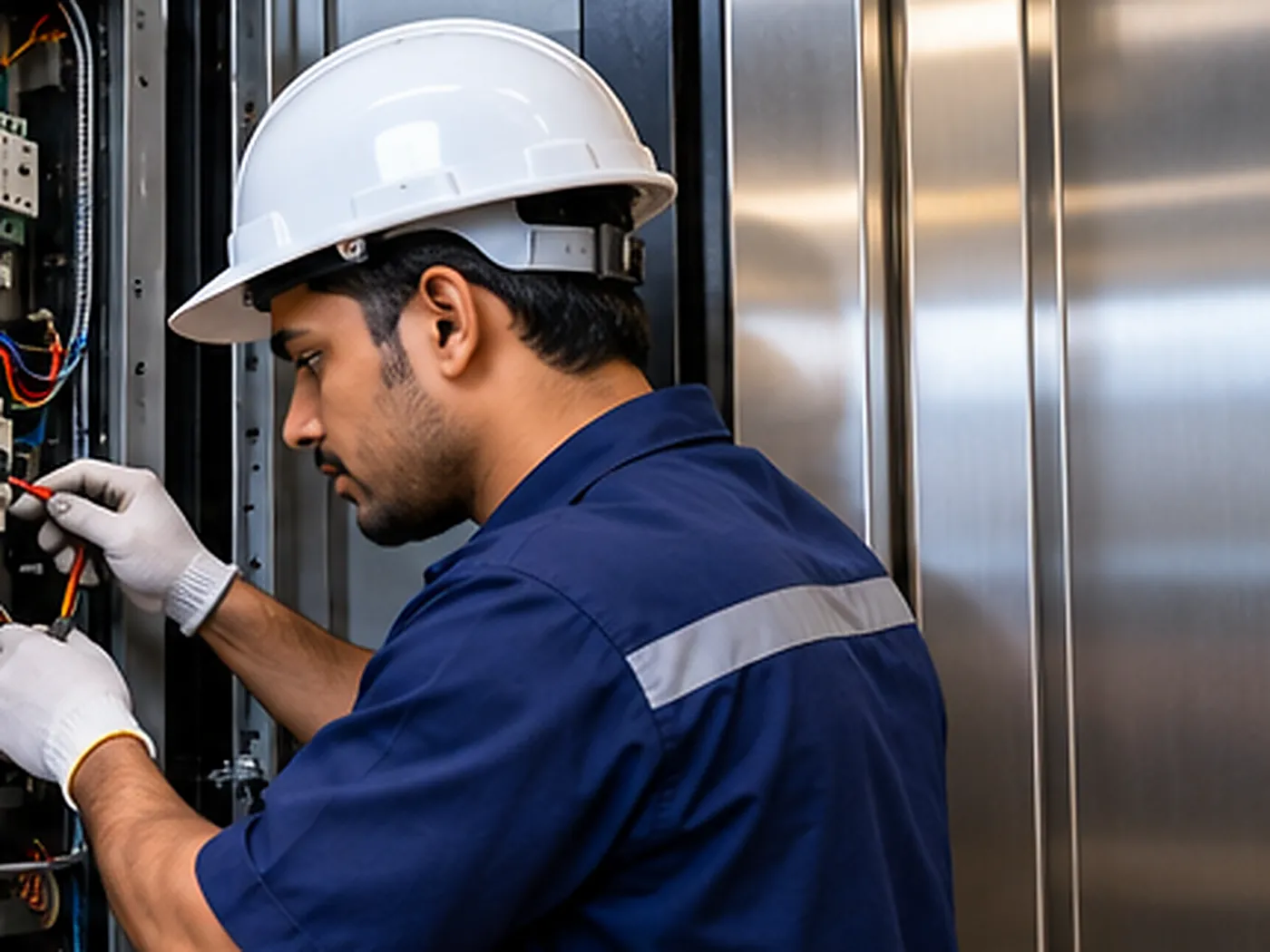
For a new lift, the team needs to understand the shaft, number of stops, building use and access. For an existing lift, the first job is to understand the fault and current equipment condition.
Final dimensions and technical requirements depend on the selected elevator system and the site. Generic figures should not be treated as universal requirements.
Choose the right service path
Keeping these two needs separate makes the enquiry clearer and reduces wasted site time.
Use building type, floors, expected traffic, available shaft space and project stage to narrow the suitable solution.
Fault symptoms, controller information, door condition, drive system and service history can help define the right inspection and repair scope.

Technical work
An elevator can stop or behave badly for many reasons. Door systems, controls, electrical components, sensors, drive parts and mechanical items all need the right checks before a repair plan is agreed.
Does the lift fail to start, stop between floors, show a door fault, level poorly or behave intermittently?
Testing should focus on the area linked to the fault instead of changing unrelated parts.
Replacement parts should match the installed system. Brand and model details matter.
The lift should be checked again after repair or adjustment before normal use resumes.
Building use changes the brief
The answer depends on how the building is used. Capacity, door arrangement, cabin size, traffic and service access should be selected for the real movement pattern.
Passenger movement, floor count, peak use and shaft space are key. See passenger lift solutions.
Goods size, loading method, door access and duty pattern may point toward a cargo lift rather than a standard passenger lift.
Bed or stretcher movement changes cabin and door planning. Review hospital and bed lift options.
Testing & commissioning
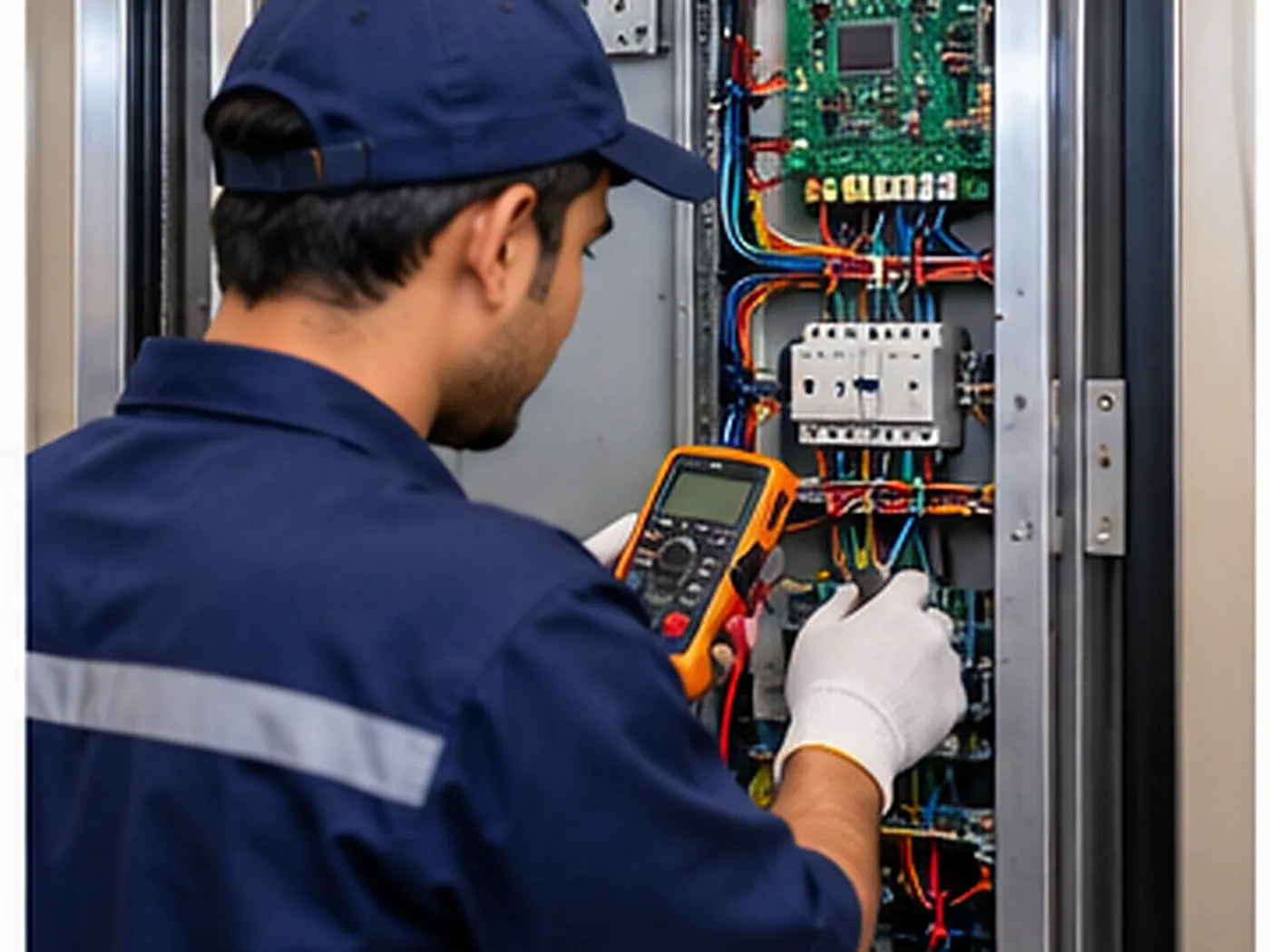
Testing helps confirm that the work performed is functioning as intended. The exact procedure depends on the lift system and the scope of work.
For a new installation, commissioning should form part of the handover process. For service work, test the repaired area and check that the original fault has been addressed.
Prepare a useful enquiry
You do not need a full technical specification. A short, accurate project brief is more useful than guessed numbers.
After-sales planning
For apartments, factories, offices and healthcare buildings, unexpected downtime can disrupt daily movement. Keep the lift information, previous service records and site-contact details easy to access.
For a specific Tongi site, confirm scheduling, brand compatibility and service availability directly with the technical team.

Common buyer questions
The answers below stay general because the correct technical solution depends on the building and installed elevator system.
Yes. Use a clear project description. For a new lift, share building and shaft details. For an existing lift, share the brand/model, fault symptoms and any recent repair history.
Brand and model support should be confirmed before work is planned. Send identification details or clear equipment photos so compatibility can be checked instead of assumed.
Important factors include lift type, number of stops, capacity need, shaft condition, cabin finish, door arrangement, control/drive system, installation scope and related civil or electrical work. A reliable quotation needs project details.
Work windows and site-access rules should be discussed before scheduling. Industrial sites may need extra coordination for safe access, production areas and equipment movement.
Record the symptoms, stop repeated unsafe attempts to operate the lift, and share the fault details with a qualified technical team. Do not guess at electrical or mechanical repairs without proper inspection.
Tongi lift project
Send the site location, building use, floors/stops and current shaft or lift condition. The more accurate the starting information, the more useful the technical discussion can be.