Elevator traction machine in a machine-room setting in Bangladesh
Geared • Gearless • Repair & Replacement

Elevator Traction Machine in Bangladesh

Need a geared or gearless traction machine, a replacement component, or help assessing an existing machine? Start with the machine nameplate, lift details and clear photographs so the technical requirement can be checked before quotation.

Machine identification Compatibility review Repair & replacement planning
Quick answer
What is an elevator traction machine?

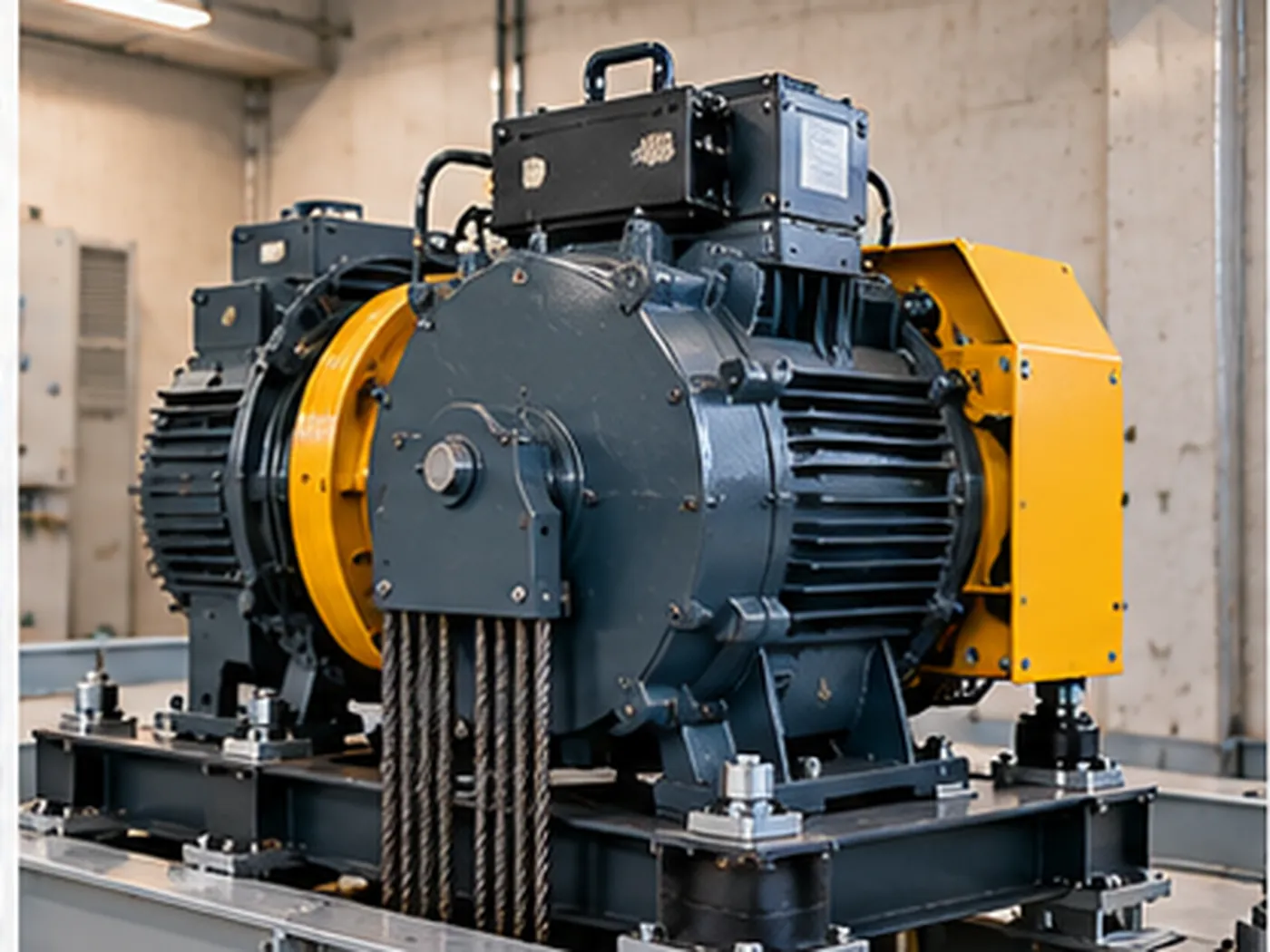
It is the drive machine used in a traction elevator to turn the traction sheave. Suspension ropes or belts pass over the sheave and work with the elevator car and counterweight system. Traction machines are commonly divided into geared and gearless designs.

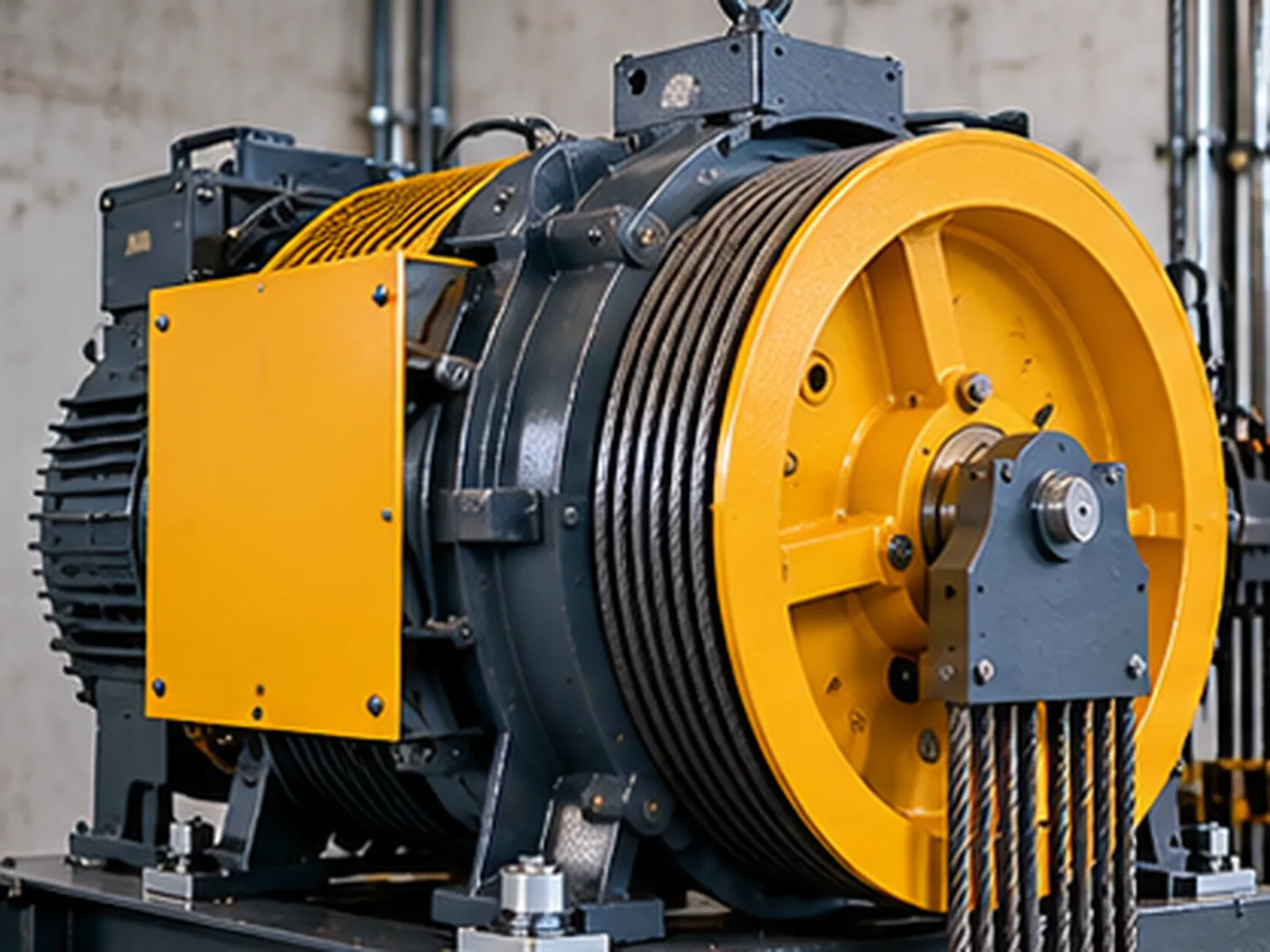
Elevator traction machine component close-up in Bangladesh
The traction machine must be considered together with the sheave, brake, suspension system, drive and controller.
Main elevator drive

The machine converts motor rotation into lift movement

The traction machine is a central part of a traction elevator's drive system, but it does not operate in isolation.

As the traction sheave rotates, the suspension ropes or belts move the car and counterweight in opposite directions. The controller, drive, motor feedback and braking system all have roles in controlled elevator operation.

  • Electric motor or integrated motor assembly
  • Traction sheave and groove arrangement
  • Machine brake assembly
  • Encoder or motor-feedback equipment where applicable
  • Machine mounting and structural interfaces
  • Connection with the controller and VVVF drive system
Machine types

Geared and gearless traction machines

Both designs use traction to move the elevator, but the mechanical connection between the motor and traction sheave is different.

Geared

Geared traction machine

A geared machine uses a gearbox between the motor and traction sheave. The gearing changes motor speed and transmits torque to the sheave.

  • Contains an additional gearbox stage.
  • May be found in existing conventional traction installations.
  • Gearbox condition and lubrication become part of maintenance.
  • Replacement must account for the existing machine and lift design.
Gearless

Gearless traction machine

In a gearless arrangement, the drive sheave is connected directly to the motor rather than being driven through a reduction gearbox.

  • No reduction gearbox between motor and sheave.
  • Common in modern traction-elevator designs.
  • Often paired with variable-frequency drive control.
  • Encoder, brake and controller matching can be important.
Installed system

Machine selection starts with the actual elevator

Two traction machines can look similar and still have very different application requirements.

A replacement should be selected from verified technical information, not only from a photograph or an approximate motor size.

01

Lift duty

Rated load, intended use and operating requirements affect the machine selection.

02

Rated speed

The machine and sheave arrangement must suit the elevator's intended operating speed and roping design.

03

Drive system

Motor characteristics, encoder or feedback equipment and the VVVF drive need compatible configuration.

04

Physical installation

Machine dimensions, mounting, rope drop and sheave geometry must work with the actual installation.

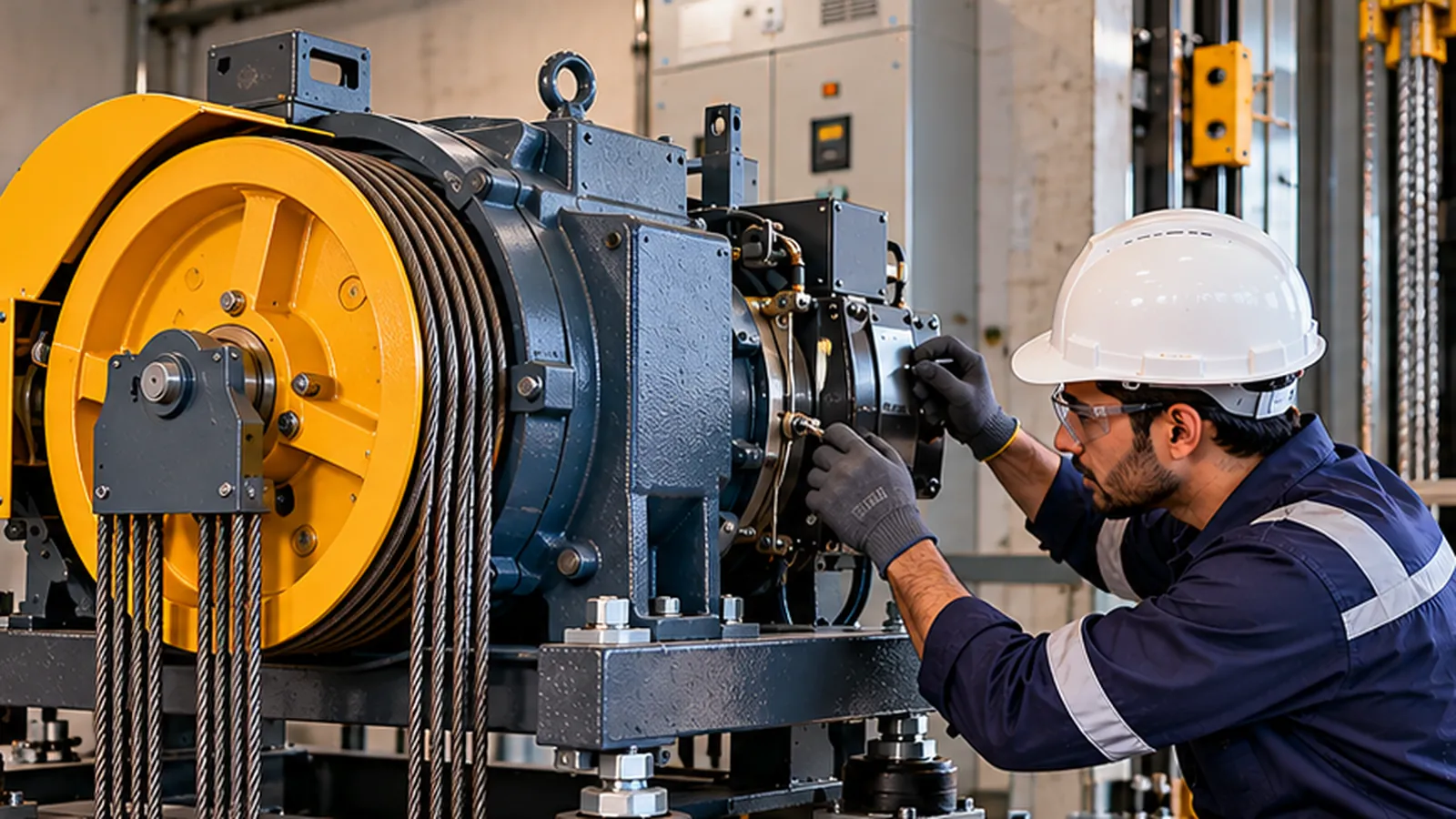
Elevator traction machine installed in a machine-room environment in Bangladesh
Before ordering

Important traction-machine selection factors

Exact specifications should come from the existing machine data, project drawings and lift-system requirements.

Rated load

The machine must be suitable for the intended elevator duty rather than chosen from a generic capacity assumption.

Rated speed

Elevator speed affects machine, drive and overall motion-system requirements.

Roping arrangement

The suspension arrangement influences machine and sheave selection.

Traction sheave

Sheave diameter, groove arrangement and suspension-medium details need technical verification.

Brake arrangement

Brake design and electrical characteristics need to match the machine and elevator system.

Controller & drive

The traction machine cannot be selected independently of the relevant drive and control configuration.

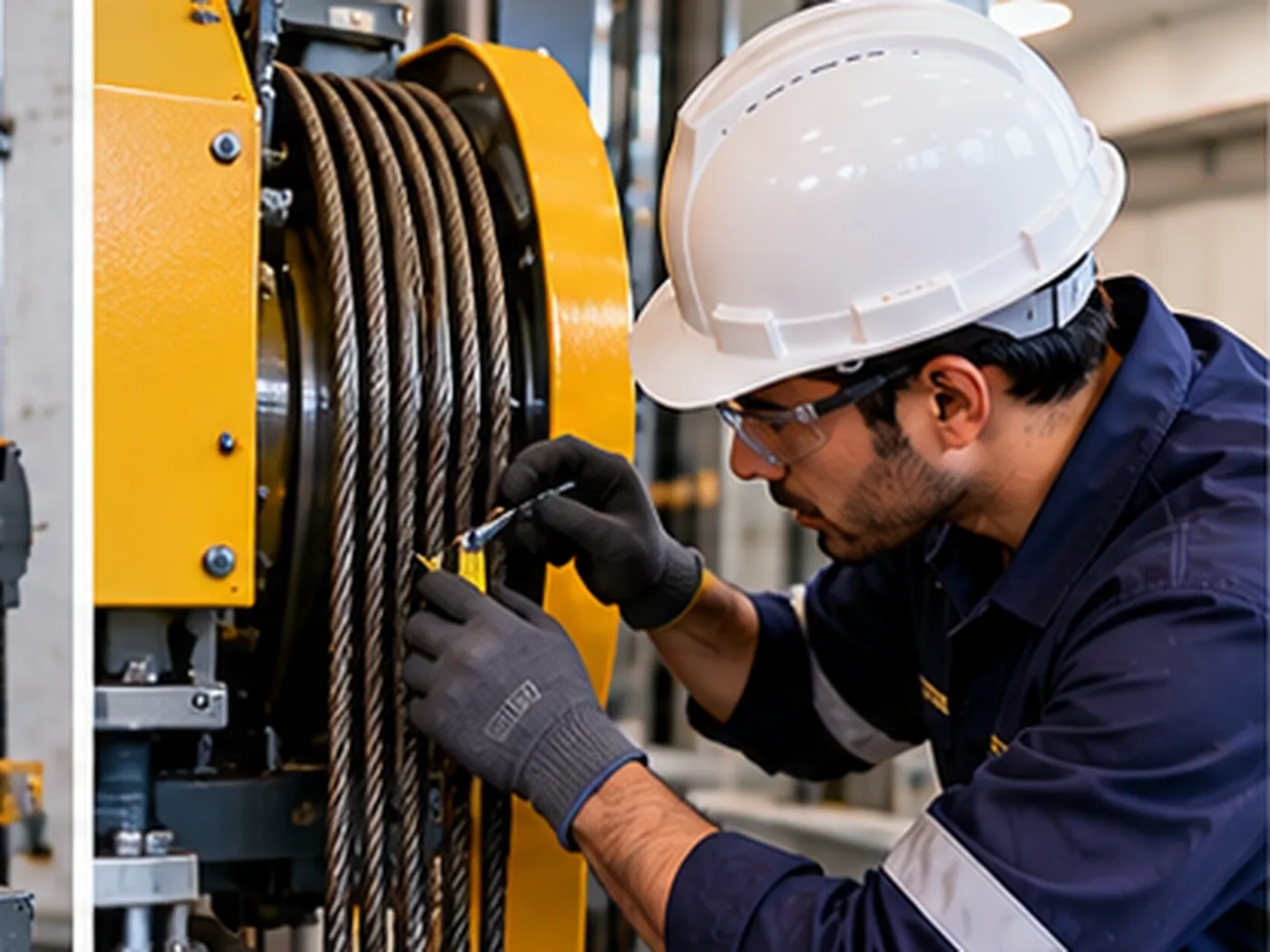
Technician inspecting an elevator traction machine in Bangladesh
Inspection & repair

Not every machine problem requires complete replacement

Noise, vibration, brake problems or poor movement need diagnosis before the repair scope is decided.

The source may be inside the traction machine, but related equipment such as the drive, encoder, ropes, sheave alignment, mounting or other parts of the elevator system may also need investigation.

  • Abnormal sound: identify where the sound begins before changing parts.
  • Vibration: inspect the machine together with mounting and connected equipment.
  • Brake issue: assess the brake assembly and relevant electrical/control conditions.
  • Oil or gearbox issue: relevant mainly to geared-machine arrangements.
  • Feedback fault: check encoder or feedback-related information where applicable.
  • Sheave or rope concern: inspect the interacting components rather than one item in isolation.
Compatibility check

What should be provided for a traction-machine enquiry?

Machine nameplate

Send a sharp photo showing the existing manufacturer, model and technical information that is actually printed on the unit.

Full machine photo

Show the complete machine, sheave, brake and surrounding installation rather than only one close-up.

Controller information

Include the controller model and relevant control-system details where available.

VVVF drive information

Drive model and configuration can be important when assessing a motor or complete traction-machine replacement.

Lift information

Provide rated load, speed, number of stops and other verified project information where available.

Problem description

Explain whether the enquiry concerns a failure, unusual noise, brake problem, modernization or planned replacement.

Replacement & modernization

Replacing the machine may affect more than the motor

A traction-machine replacement should be treated as a system integration task, particularly when the existing machine is old, unavailable or part of a modernization project.

The replacement may require review of the sheave and suspension arrangement, machine mounting, brake, encoder, VVVF drive, controller parameters and related electrical interfaces.

For modernization projects: do not assume the original controller, drive or feedback equipment will automatically work with a different traction machine. Verify the complete proposed combination first.
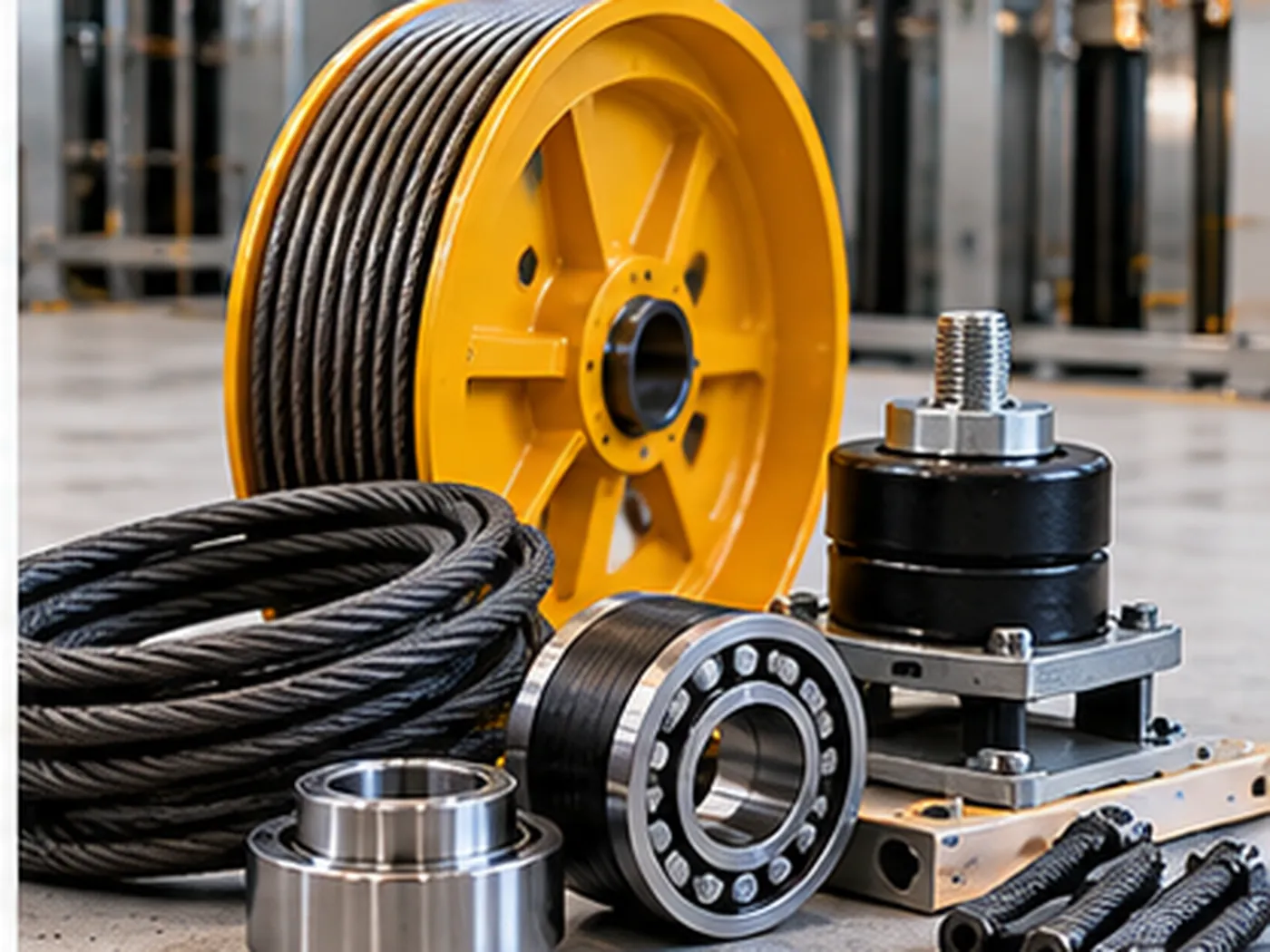
Elevator traction machine replacement parts in Bangladesh
Before requesting price

Send enough information for a useful quotation

“How much is a traction machine?” is difficult to answer accurately until the required machine has been identified.

Nameplate photograph Clear enough to read the available model and rating data.
Complete machine photograph Show the sheave, brake, motor and installation arrangement.
Existing controller Provide controller identification where relevant.
Existing VVVF drive Include drive information for compatibility review.
Lift/project details Send verified load, speed and installation information available to you.
Reason for enquiry Repair, complete failure, modernization or planned replacement.
Common questions

Elevator traction machine FAQ

Practical answers for machine identification, repair and replacement enquiries.

What is the difference between a geared and gearless traction machine?

A geared traction machine uses a gearbox between the motor and traction sheave. In a gearless machine, the sheave is driven directly by the motor without that reduction gearbox.

Is a traction machine the same as an elevator motor?

The motor is part of the drive equipment, but “traction machine” normally refers to the wider machine assembly associated with driving the traction sheave. The exact construction differs between geared and gearless designs.

How can I get an elevator traction machine price in Bangladesh?

Send the existing machine nameplate, clear photographs and verified lift information. Pricing should follow identification of the required machine rather than a generic capacity or photograph.

Can I replace a geared machine with a gearless machine?

That should be treated as a modernization question rather than an automatic like-for-like replacement. The machine mounting, sheave and roping arrangement, controller, drive, feedback, brake and other interfaces may need engineering review.

Can a noisy traction machine be repaired?

The cause needs to be identified first. Noise can relate to the machine itself or to connected components and installation conditions. Inspection should come before deciding whether repair or replacement is appropriate.

What photos should I send for machine identification?

Send a full-machine photograph, a readable nameplate close-up, images of the sheave and brake area, and controller or drive information where relevant. Photographs should be taken without approaching or interfering with unsafe or energized equipment.

Need a traction machine, repair assessment or replacement option?

Send the existing machine nameplate, full-machine photographs, controller or drive information and the reason for replacement. The technical requirement can then be reviewed before quotation.