Repeated stopping
Do not keep resetting the unit without understanding why a protective device or control is stopping operation.

Keep an escalator safe, clean and dependable with planned inspection, servicing and fault repair based on the actual equipment condition.
It normally includes inspection, cleaning, adjustment, lubrication where required, safety-device checks, fault diagnosis and testing. The exact work should follow the escalator model, manufacturer instructions, site condition and findings from the inspection.
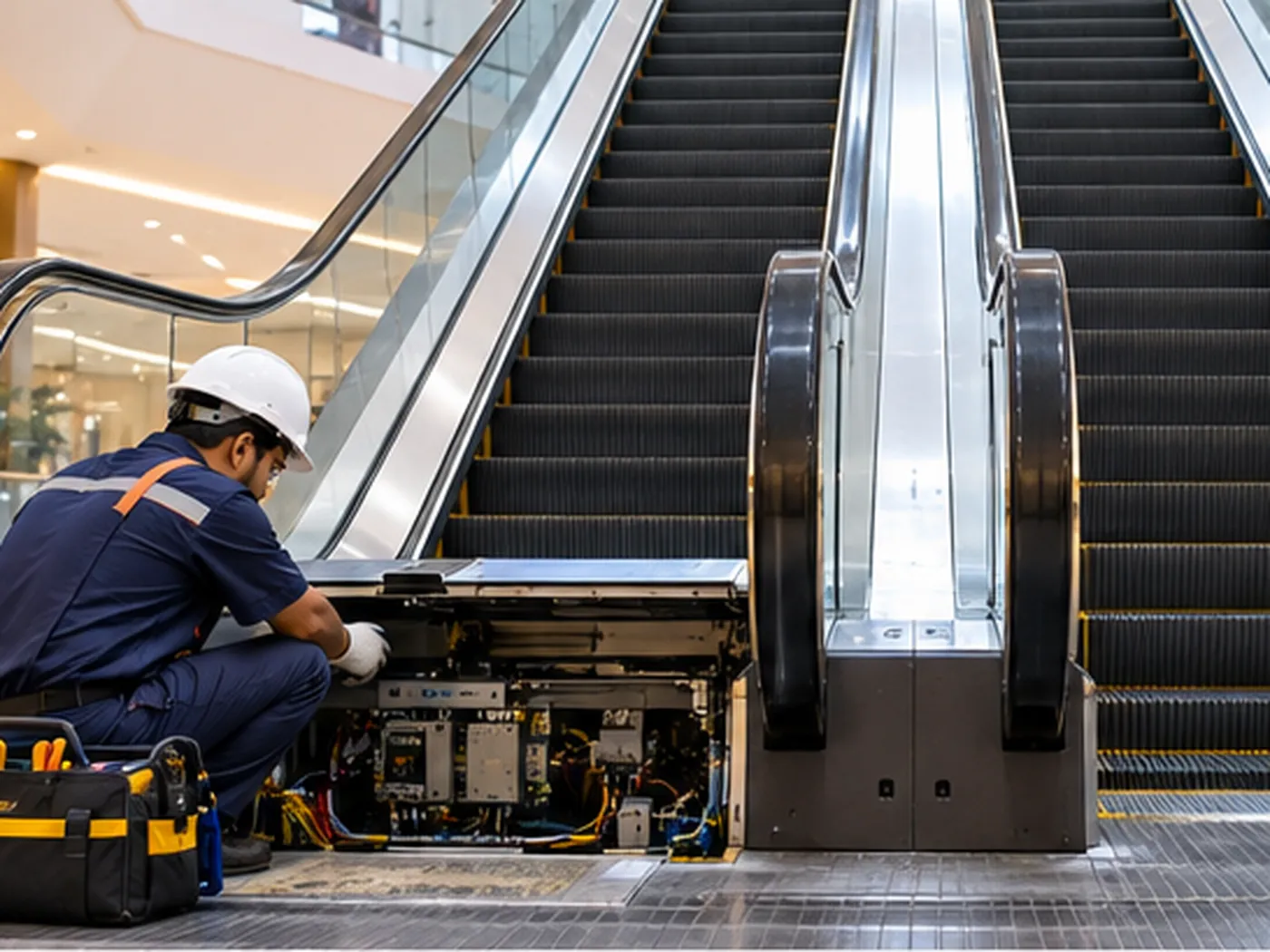
Noise, vibration, irregular movement or repeated stoppage can have different causes. A technician needs to inspect the equipment before deciding what should be adjusted, repaired or replaced.
An escalator may still move while a developing fault is present. Early inspection can help identify the source before the condition gets worse.
Do not keep resetting the unit without understanding why a protective device or control is stopping operation.
New grinding, knocking or rubbing sounds may point to wear, alignment or mechanical problems.
Damaged steps, treads or comb areas need proper assessment rather than cosmetic treatment.
Slipping, damaged surfaces or unusual handrail movement should be checked by a competent service technician.
Changes in operating feel can justify inspection of the drive, chains, rollers and related components.
Oil, debris or contamination near working parts should be traced to its source and corrected safely.
The scope should come from inspection findings. This avoids treating every service call as the same job.
Confirm the unit, reported symptoms, operating environment and available maintenance history.
Inspect relevant mechanical, electrical and safety areas before deciding on corrective work.
Clean, adjust, lubricate, troubleshoot or replace components where the findings justify the work.
Check operation after the work and confirm that the serviced areas perform as intended before handover.
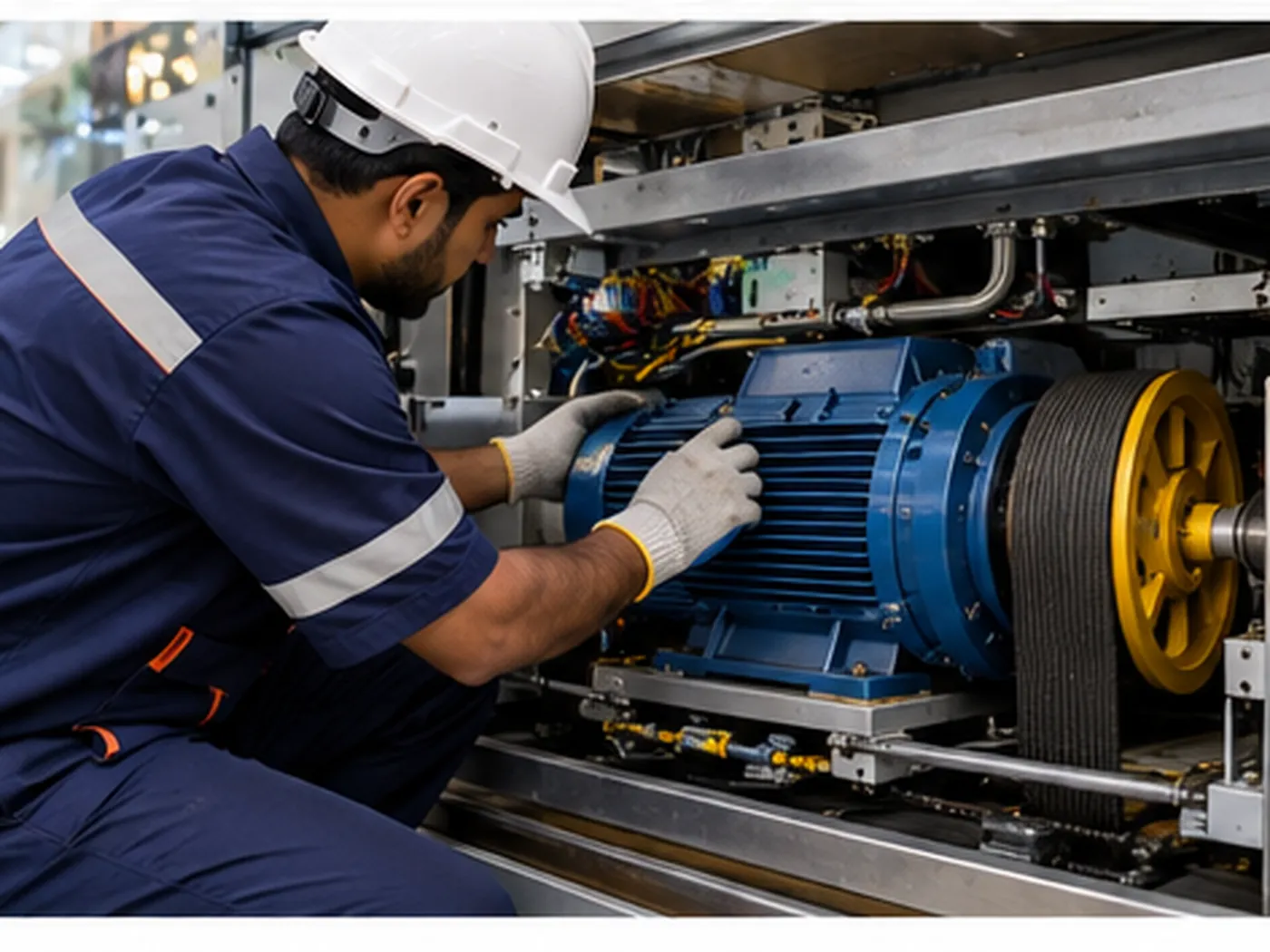
The exact checklist varies by equipment. These are common areas that may need inspection during maintenance or fault diagnosis.
Inspect condition, damage, unusual wear and the transition areas where passengers enter and leave.
Check visible handrail condition, movement and accessible components associated with its operation.
Examine relevant drive components, chains, braking equipment and signs of abnormal wear where accessible.
Review the controls and applicable protective devices according to the escalator system and service procedure.
Remove harmful dirt or debris and lubricate designated components where the equipment instructions call for it.
Inspect relevant connections, switches, controls and electrical areas for visible faults or service issues.
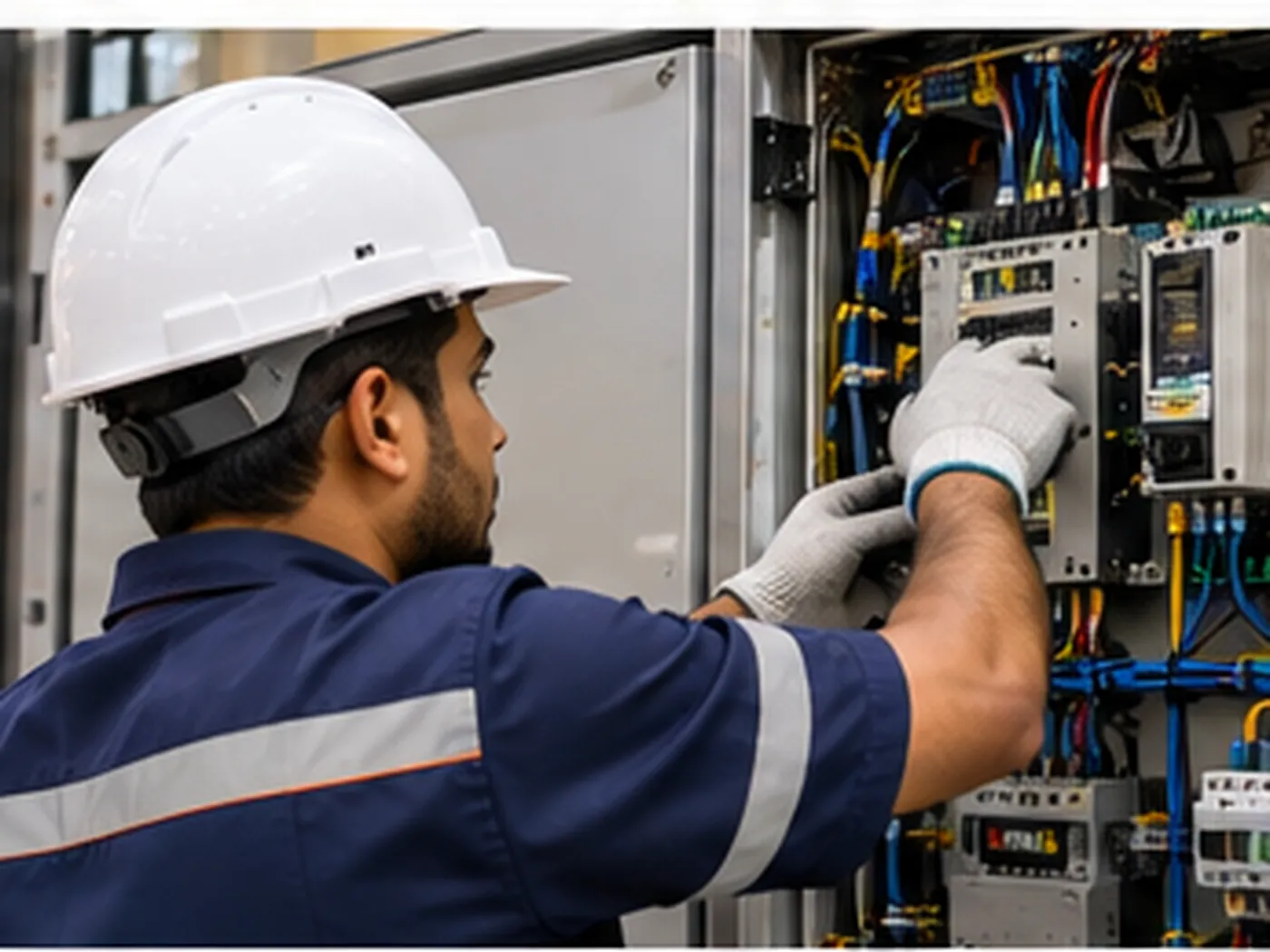
A repair should not finish when a component has simply been adjusted or changed. The affected functions need to be checked before the escalator returns to normal use.
Testing may include operational observation and checks of relevant controls or protective functions. The correct method depends on the escalator model, work completed and applicable maintenance procedure.
An escalator in a busy shopping centre does not operate under the same conditions as a lightly used unit. Usage, dust, operating hours and equipment condition all affect maintenance needs.
For the broader maintenance-program topic, see preventive maintenance services.

Clear information at the start helps the technical team understand the fault before arranging the next step.
A few practical answers before arranging inspection or repair.
There is no single interval that should be assumed for every escalator. The schedule should consider the manufacturer guidance, equipment condition, operating hours, passenger traffic and applicable maintenance requirements.
A photo or fault description may help with initial discussion, but many mechanical, control and safety faults need on-site diagnosis before the correct repair scope can be confirmed.
Depending on the equipment, technicians may inspect steps and combs, handrails, drive components, braking equipment, controls, switches and relevant safety devices. The final checklist should match the specific escalator.
A new or abnormal sound should be investigated rather than treated as normal. If there is any concern about safe operation, building management should follow the appropriate shutdown and technical inspection procedure for that equipment.
Send the building location, equipment details if available, a clear description of the fault, whether the escalator is currently operating, and safe photos or video when they help show the issue.
Share the location, equipment details and current symptoms. The next step can then be based on the actual service requirement rather than assumptions.