01
New lift installation
For new apartment, mixed-use or commercial projects. Building use, floors or stops, shaft condition, access and the selected lift system need to be coordinated before installation.
Installation details →
Wari combines older buildings, newer apartments and active commercial use. A useful lift plan starts with the building, the available space and access, and the real condition of any existing elevator.
Looking for an elevator company in Wari? Start by sharing whether the project is a new installation, planned maintenance, a fault, or an older lift that may need upgrading. Building access, shaft condition, number of stops and existing equipment should be checked before the final technical scope is set.
Wari is one of Dhaka's older planned residential areas. Rankin Street, Larmini Street, Hare Street and nearby roads now contain a mix of older houses, multi-storey apartments and commercial buildings.
That mix affects lift work. A newer apartment project may have a purpose-built shaft, while an older property can need closer review of available space, access and structural conditions. Commercial activity can also increase daily lift use and door cycles.
For Wari projects, tell the technical team about the exact street, building entrance and equipment-access conditions. Moving lift components through an occupied or constrained site can affect how a job should be planned.
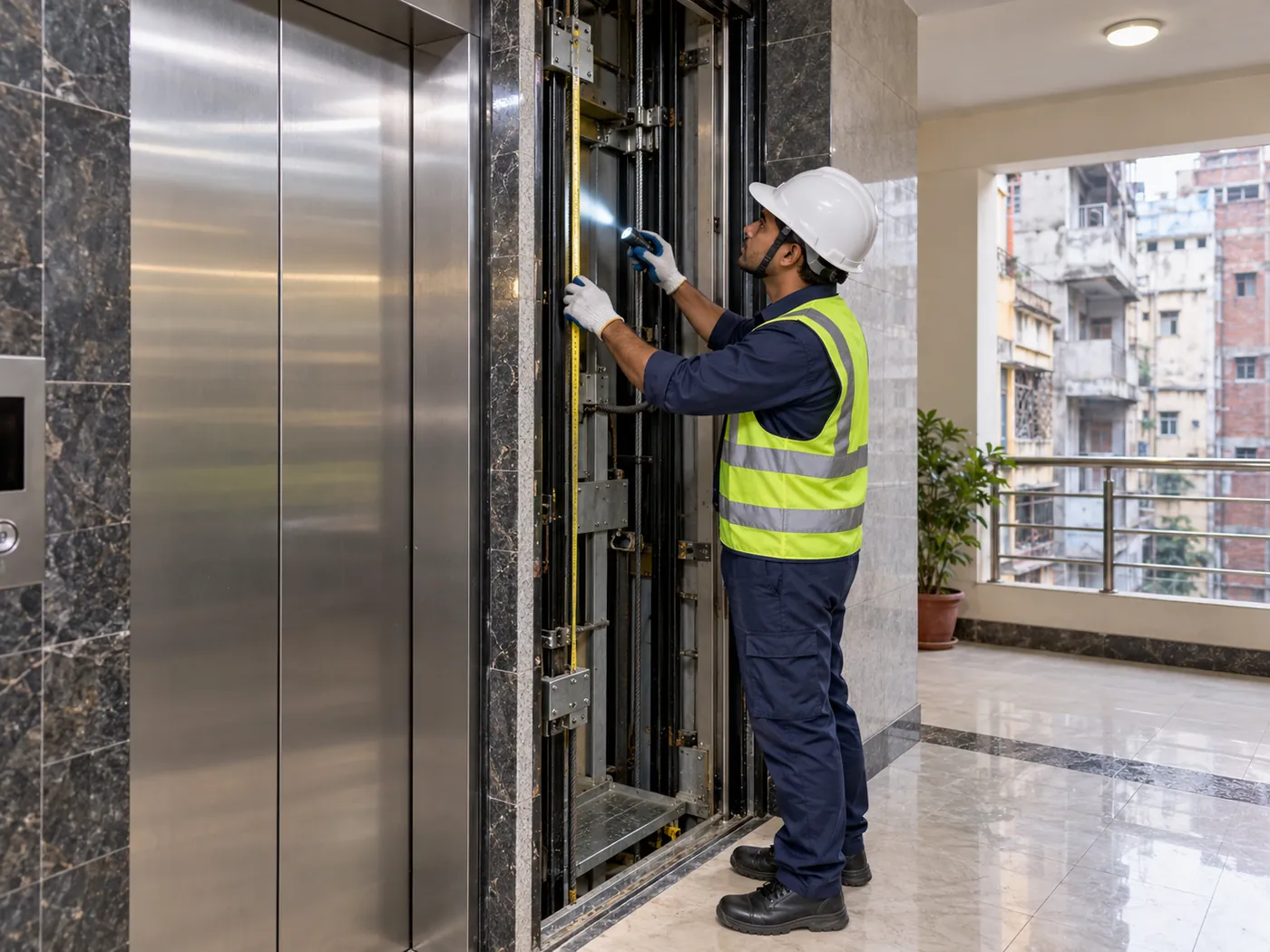
A lift is not selected or repaired in isolation. The building layout, landing access and equipment condition can change the practical scope. This is especially important when old and new construction sit side by side.
This page owns broad Wari local-service intent. Detailed technical guidance stays on the dedicated installation, maintenance, repair and modernization pages.
For new apartment, mixed-use or commercial projects. Building use, floors or stops, shaft condition, access and the selected lift system need to be coordinated before installation.
Installation details →For operating lifts that need planned inspection, adjustment, cleaning and condition-based attention. Service frequency should reflect actual lift type, age and use.
Maintenance details →For door faults, levelling issues, unusual noise, control problems or repeated stoppages. Diagnosis should come before replacing components.
Repair details →For older lifts where repeated faults, obsolete components or control and door problems make short-term repair less practical.
Modernization options →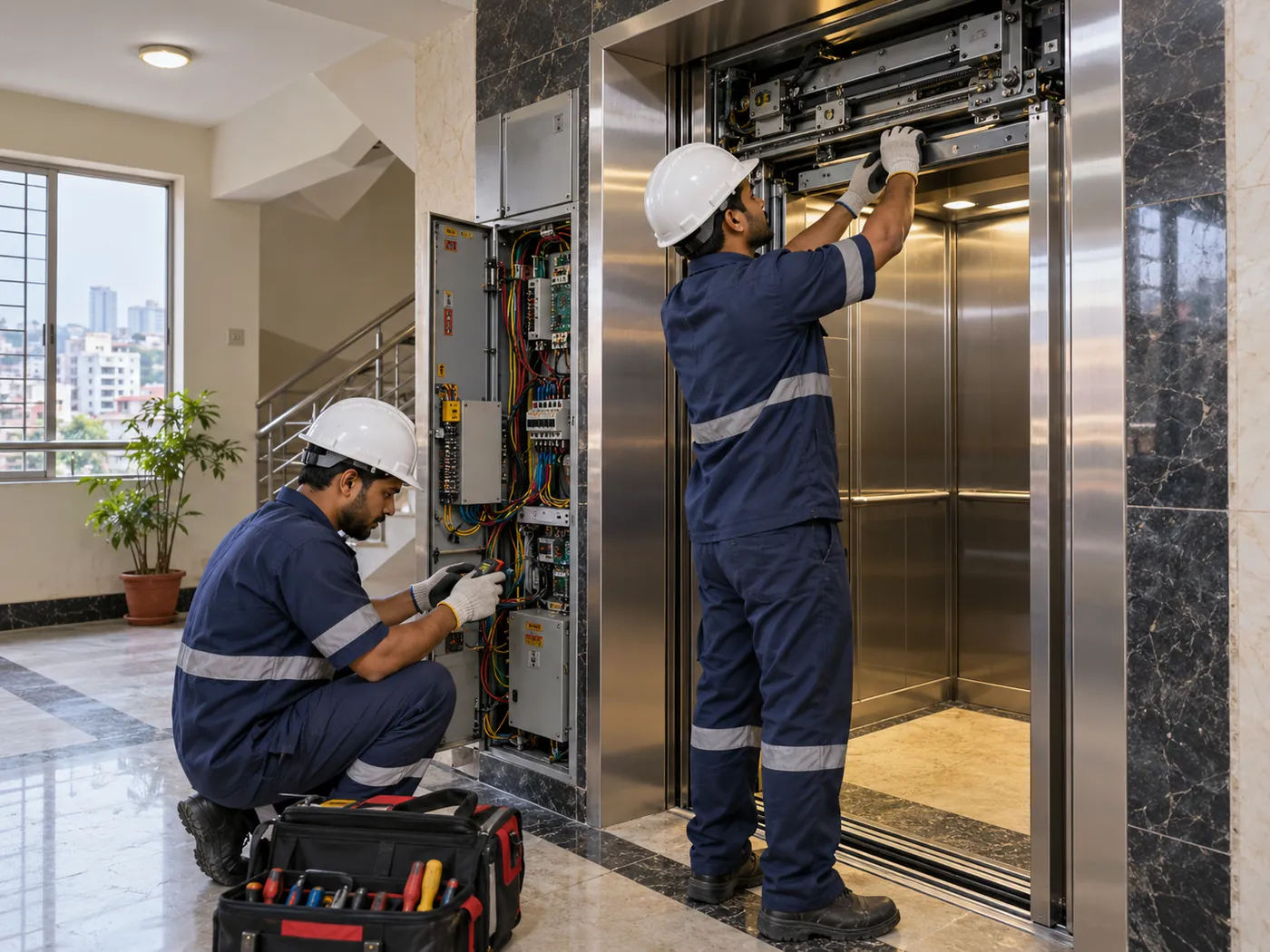
The cabin is only one part of the system. If a lift is unreliable, the fault should be traced to the relevant mechanical, door, control or electrical area before a repair plan is proposed.
Final work depends on the selected system and measured condition. Generic component replacement should not be treated as a diagnosis.
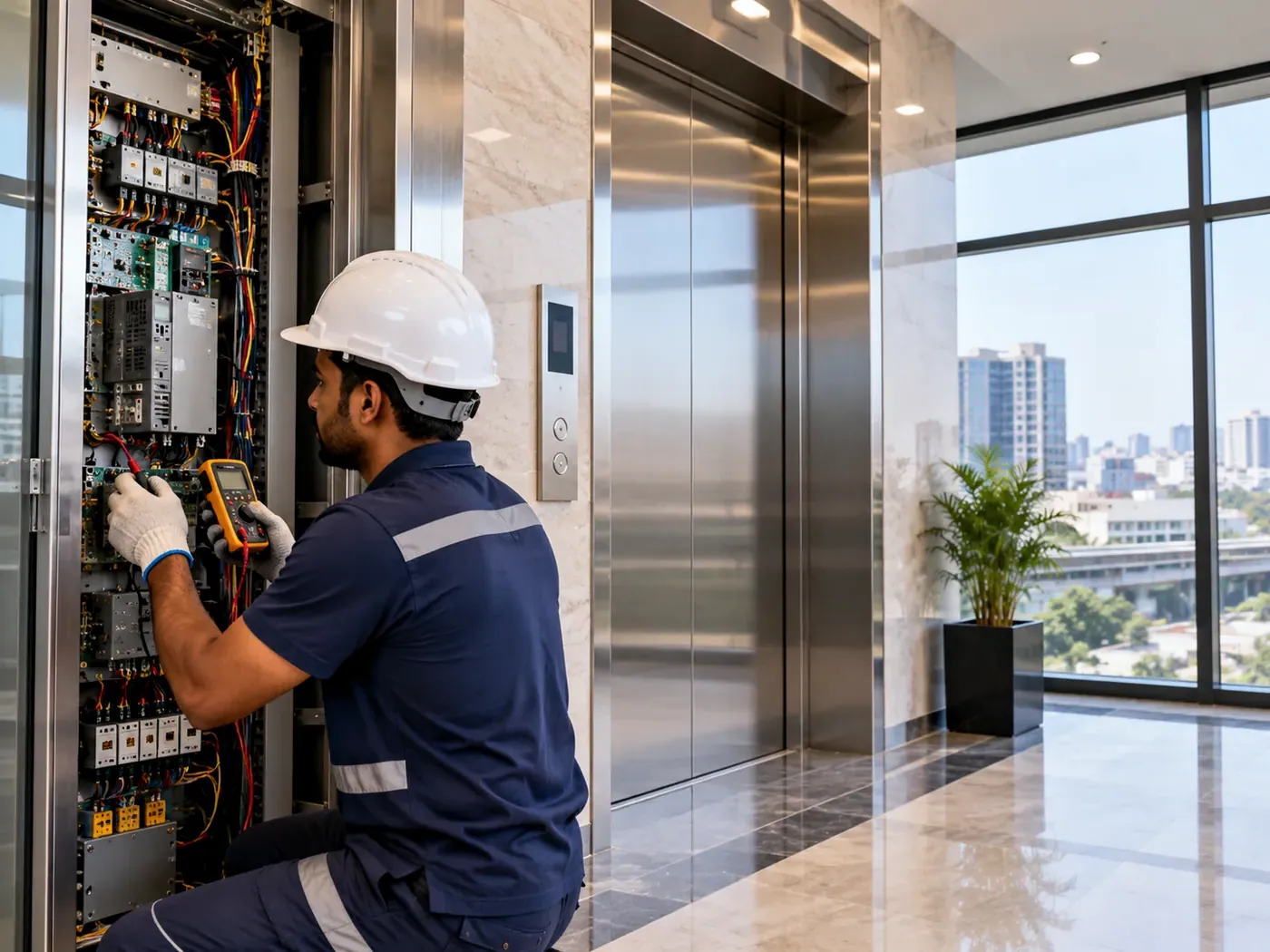
After a new installation or major technical work, the lift should be checked and adjusted according to the selected system and completed scope.
Testing is not a substitute for correct installation. It is the stage where operation, adjustment and handover information are reviewed before routine use.
Useful project information reduces guessing and helps separate a new-lift requirement from an existing-lift service problem.
| New lift project | Building use, floors or stops, shaft dimensions if available, expected users, project stage and exact Wari location. |
|---|---|
| Maintenance | Lift type, age if known, service history, current condition and how heavily the lift is used. |
| Repair | Fault symptoms, when the issue started, whether the lift still operates and safe photos of visible indications if available. |
| Older lift | Repeated faults, parts problems, controller or drive condition, door performance and any previous upgrade work. |
A modern apartment lift and an older elevator may need different service attention. Usage, lift type, age, parts condition and fault history all matter.
Keeping clear maintenance and repair records also helps when the same issue returns or when an owner needs to decide between another repair and a larger modernization.
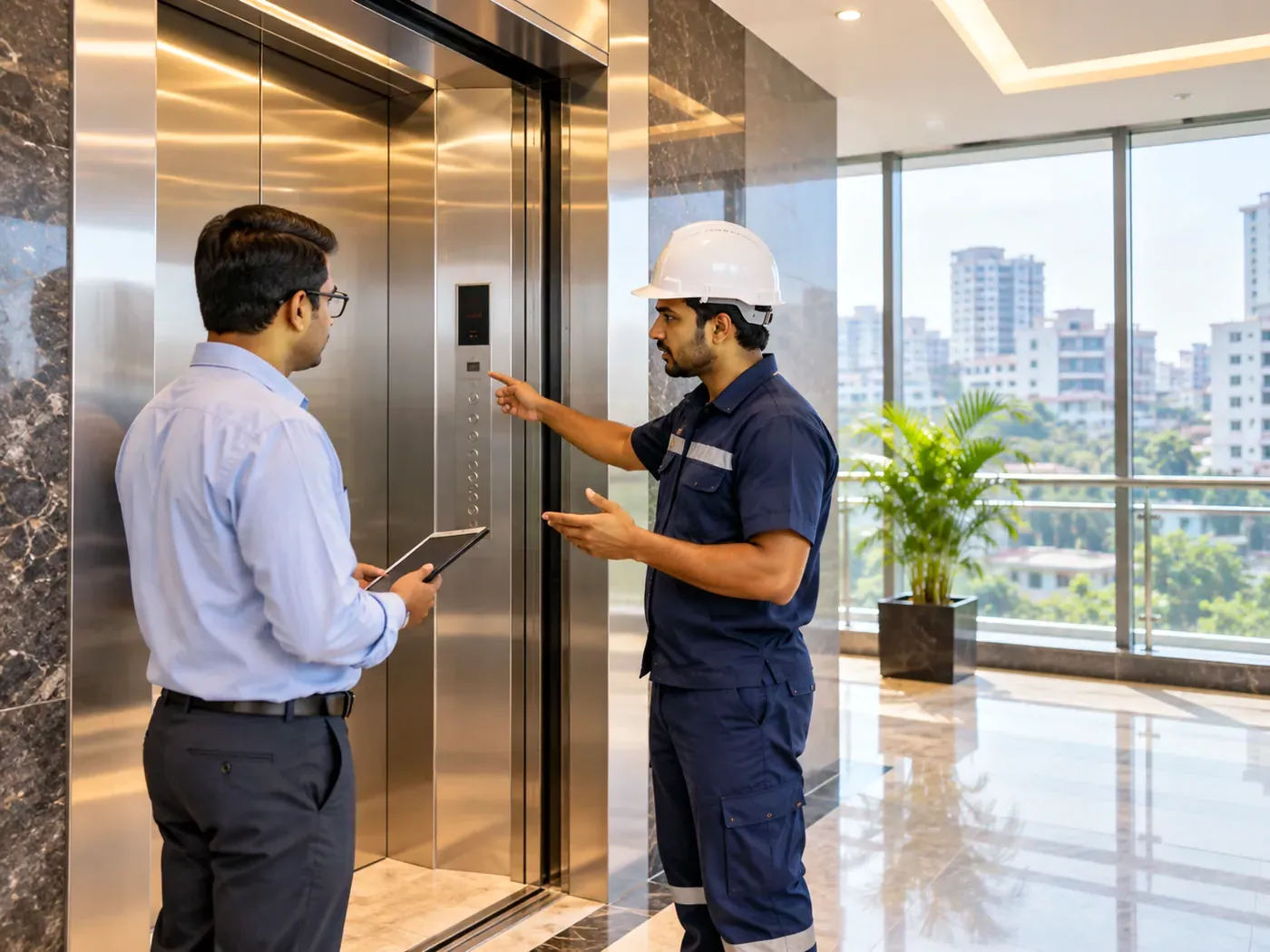
Direct answers for building owners, managers and project buyers.
Yes. Share the building location, lift type, current condition and the fault or maintenance need. A technical review can then determine what information or site inspection is required.
It depends on available space, shaft or proposed shaft conditions, structural and access constraints, number of stops and the selected lift system. A site assessment is needed before final dimensions or specifications are set.
Describe the fault, when it started, whether the lift still runs, and any visible error indication that can be observed safely. Do not enter the shaft or open electrical equipment simply to collect information.
There is no single interval that fits every lift. Type, usage, age, condition, manufacturer guidance and building traffic should inform the maintenance plan.
Share the building type, floors or stops, exact location, shaft or existing lift condition, and whether you need installation, maintenance, repair or modernization.