01
Before handover
A project team may need performance checks as part of installation completion and commissioning activities.

Load testing helps verify how a lift performs under a planned test condition. The test should match the lift, its rated information, site condition and the purpose of the assessment.
Elevator load testing is a controlled test used to observe lift operation under a defined load condition. Depending on the reason for testing, the assessment may consider movement, stopping, levelling, braking behaviour, doors and other performance points relevant to the lift.
A useful test starts with a clear question. Is the lift being checked after installation? Has major work been completed? Is there a performance concern? Or does a consultant, building owner or project team need a technical check?
The answer affects the test plan. Before any test load is introduced, the lift's available technical information, current condition and test objective should be reviewed.
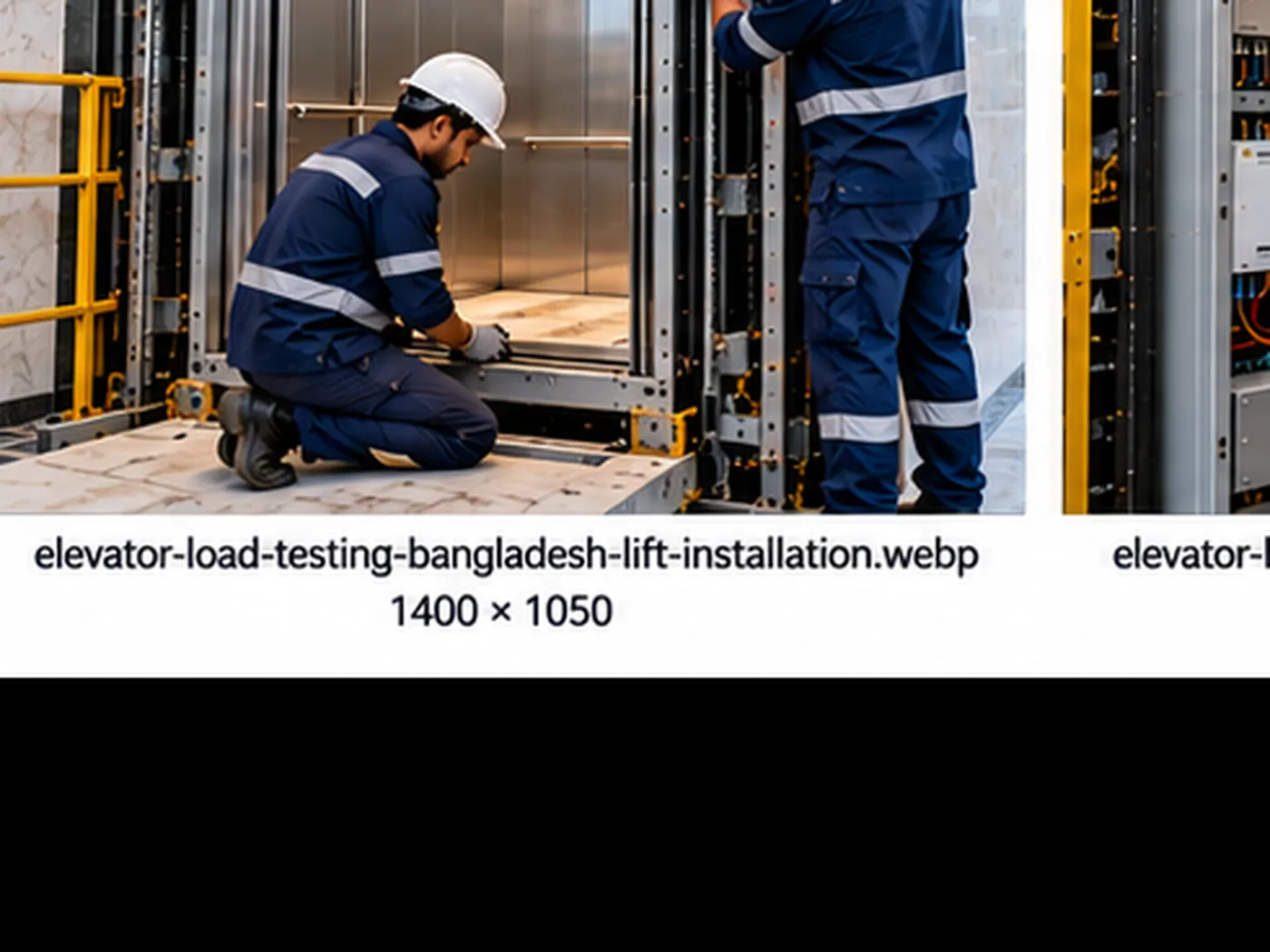
The exact requirement depends on the lift, project stage and reason for the assessment. These are common situations where a technical discussion may be useful.
A project team may need performance checks as part of installation completion and commissioning activities.
Significant repair, modernization or component work may create a need for defined checks before normal use resumes.
Poor levelling, unusual stopping behaviour or other operating concerns may require diagnosis before deciding whether load testing is appropriate.
Owners, consultants or facility teams may request testing as part of a wider inspection or technical review.

A load test should not be treated as a substitute for diagnosis. If a lift has an active fault, abnormal noise, door problem or other known issue, that condition should be reviewed first.
Test preparation may also involve checking access, electrical supply, the operating environment and the information available for the lift. The aim is to understand what can be tested safely and what the result will actually tell the building team.
The exact sequence can change from one lift to another, but a controlled assessment normally needs planning before any test begins.
Clarify why the lift is being tested and what needs to be verified.
Check available technical information and the current operating condition.
Plan access, test equipment, load handling and the controlled work area.
Carry out the agreed test sequence and observe relevant lift performance.
Document observations within the agreed technical scope and identify follow-up needs.
The required checks should be chosen for the actual test objective. A performance assessment may look at how the lift behaves while moving, stopping and serving floors under the defined condition.
A finding does not automatically identify the root cause. Further elevator inspection and diagnostic testing may be needed when a problem is detected.
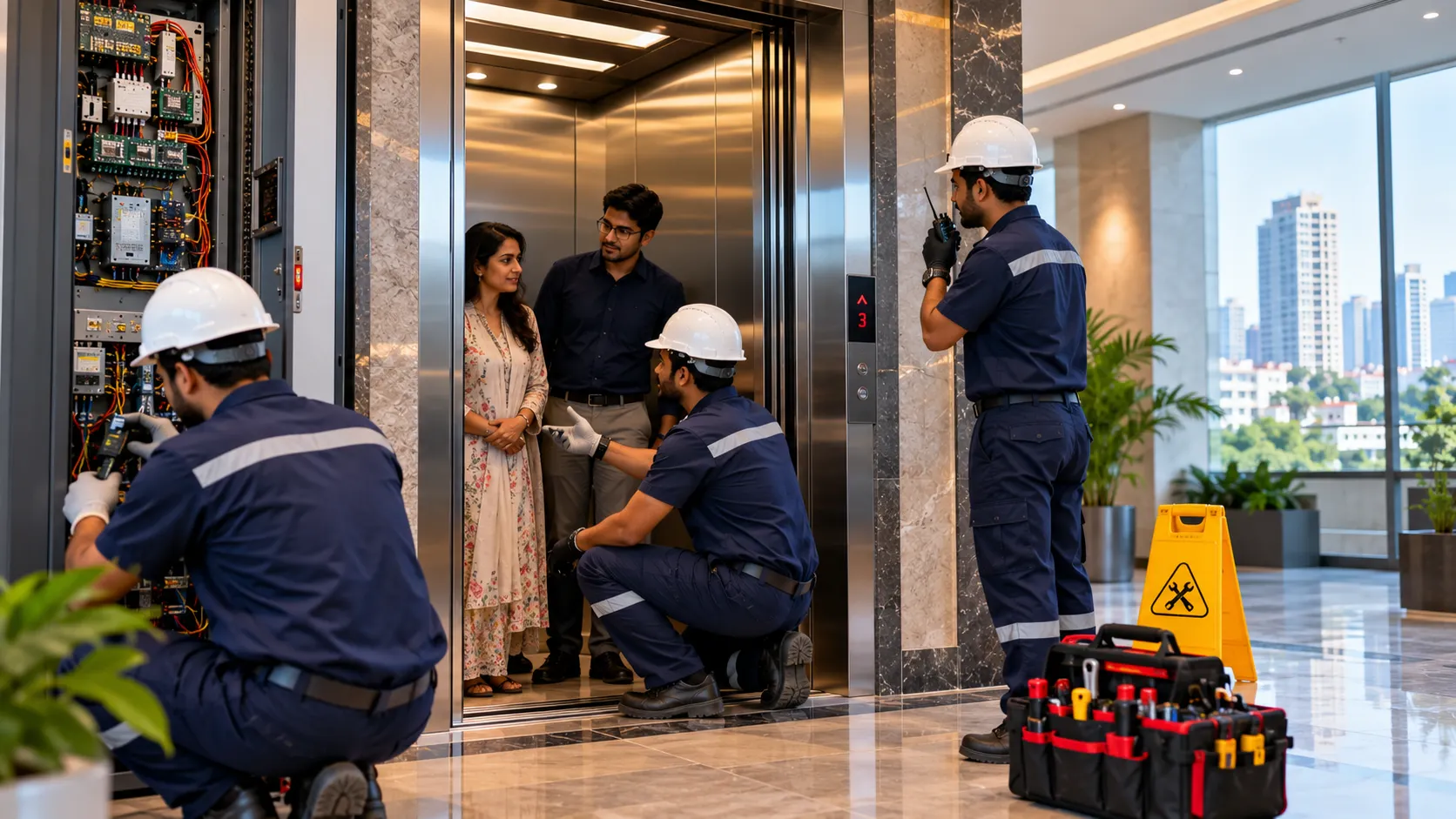
Choosing the right service starts with understanding what needs to be answered.
Focuses on lift behaviour under a defined test condition and the performance points included in the test plan.
Has a wider diagnostic purpose and may examine components, conditions or faults beyond the load-test objective.
See our lift inspection and testing service.
There is no sensible one-size-fits-all test plan. The technical approach should be based on the actual lift and site.
Drive arrangement, controller, doors and other equipment can affect what needs to be reviewed.
Available rated-load and technical information is important when defining the test condition.
Handover, troubleshooting and post-repair verification do not always require the same scope.
Existing faults or unusual operation may need investigation before a load test is considered.
Moving test equipment and controlling the work area need practical site planning.
The project team should define what observations, records or technical outputs are needed before the test starts.

A few basic details can make the first technical discussion more useful. Share what you know; missing information can be checked during a site assessment.
The purpose is to observe and verify relevant lift performance under a defined test condition. The exact checks depend on why the test is being carried out.
No. They can overlap, but they do not have the same scope. A broader inspection may examine conditions and components that are outside a specific load test.
The fault should first be assessed. Depending on its nature, diagnosis or repair may be needed before a planned load test is appropriate.
That cannot be determined safely from a general website page. The required test condition must be based on the lift's technical information, the purpose of the test and the applicable project or technical requirements.
Send the building location, lift type if known, rated information if available, floors or stops, current operating condition and the reason for requesting the test.
Share your lift details, building location and reason for testing. The next step can then be based on the actual site and technical requirement rather than a generic test package.