01
Project requirements
Building use, number of stops, available space, passenger or load needs and site conditions all help shape the next decision.

Company Profile · Engineering · Project Support
Dhaka Lift Solutions supports lift and elevator project needs through equipment discussion, sourcing coordination, installation planning, maintenance, repair and technical support for buildings in Bangladesh.
Our working approach starts with the building and the job the lift needs to do. From there, the project can move toward a clearer technical scope, equipment decision and service plan.
Start from building use, site conditions and actual requirements.
Connect equipment decisions with installation and site readiness.
Keep maintenance, repair and future parts needs in view.
What the company profile covers
The work sits around four connected areas: understanding the project, selecting or sourcing suitable equipment, coordinating installation, and supporting the lift after it is in use.
Detailed product specifications belong on the relevant product pages. This page focuses on how the company approaches the work.
Building use, number of stops, available space, passenger or load needs and site conditions all help shape the next decision.
Equipment discussions should consider technical fit, project scope, documents, supply route and the support needed after delivery.
The selected lift has to work with the real shaft, landing, electrical and access conditions at the building.
Maintenance, fault checking, repair needs and compatible replacement parts remain important after installation is complete.
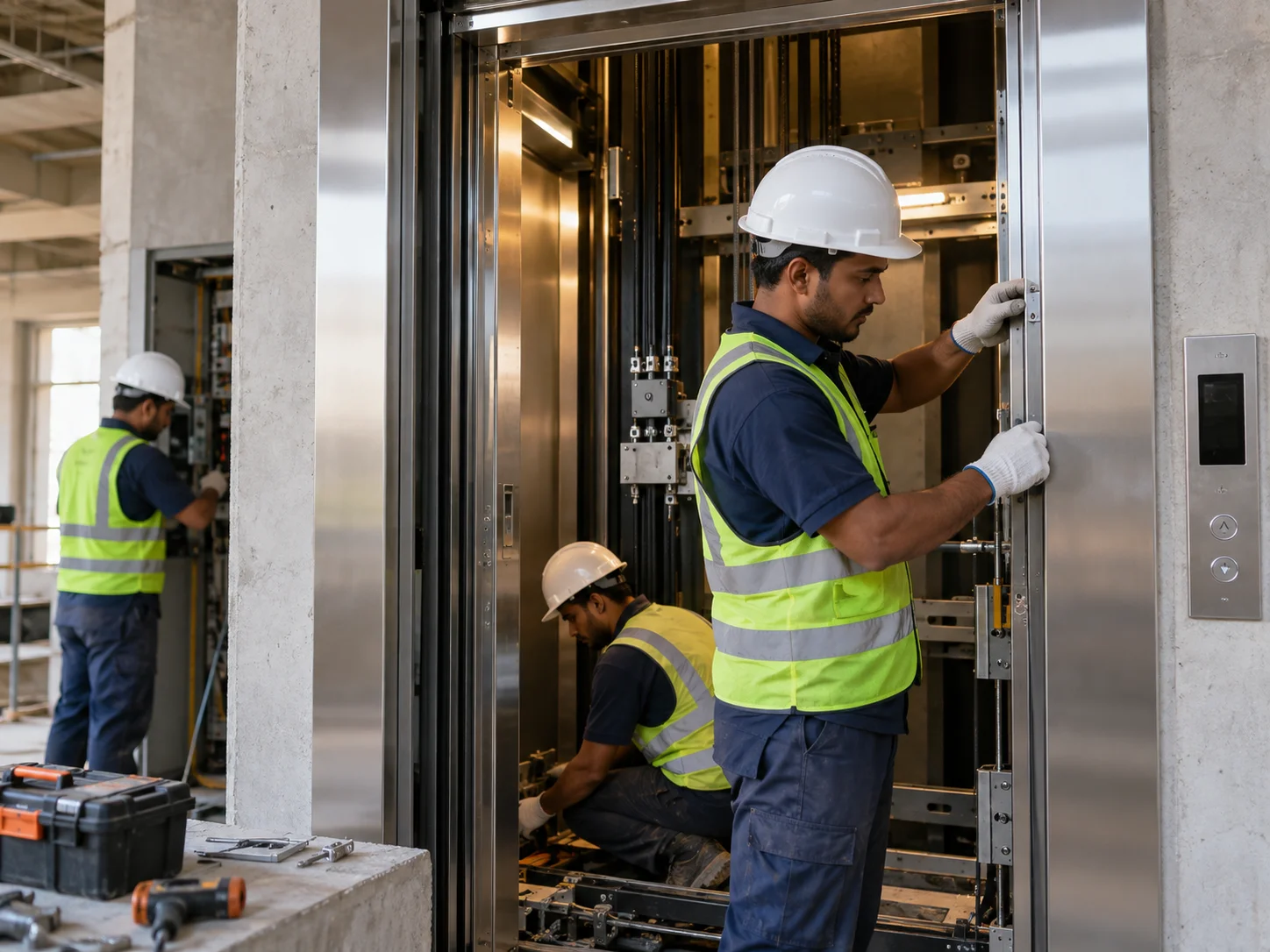
Engineering in the building
Elevator installation is not separate from the building. Shaft conditions, pit and overhead space, landing openings, power, material access and civil work can all affect the installation plan.
Exact dimensions and technical requirements depend on the selected system. They should be checked against project drawings and site conditions before final work proceeds.
How we approach the work
A good project becomes easier to manage when each stage answers the questions needed for the next one.
Define the building, users, loads, stops and practical operating needs before narrowing the equipment choice.
Confirm the conditions that can affect shaft planning, installation access and building-side preparation.
Equipment scope, sourcing, delivery and building readiness should support the same project plan.
Maintenance access, fault diagnosis and future component support matter throughout the working life of the lift.
Service capability
A lift continues to need inspection, adjustment, troubleshooting, repair and parts decisions after handover. The service approach should follow the installed system and its actual condition.

Maintenance work can include inspection, adjustment and checks that help identify developing issues before they become larger repair jobs.
The exact schedule and tasks depend on the lift equipment and the agreed maintenance scope.
Explore lift maintenance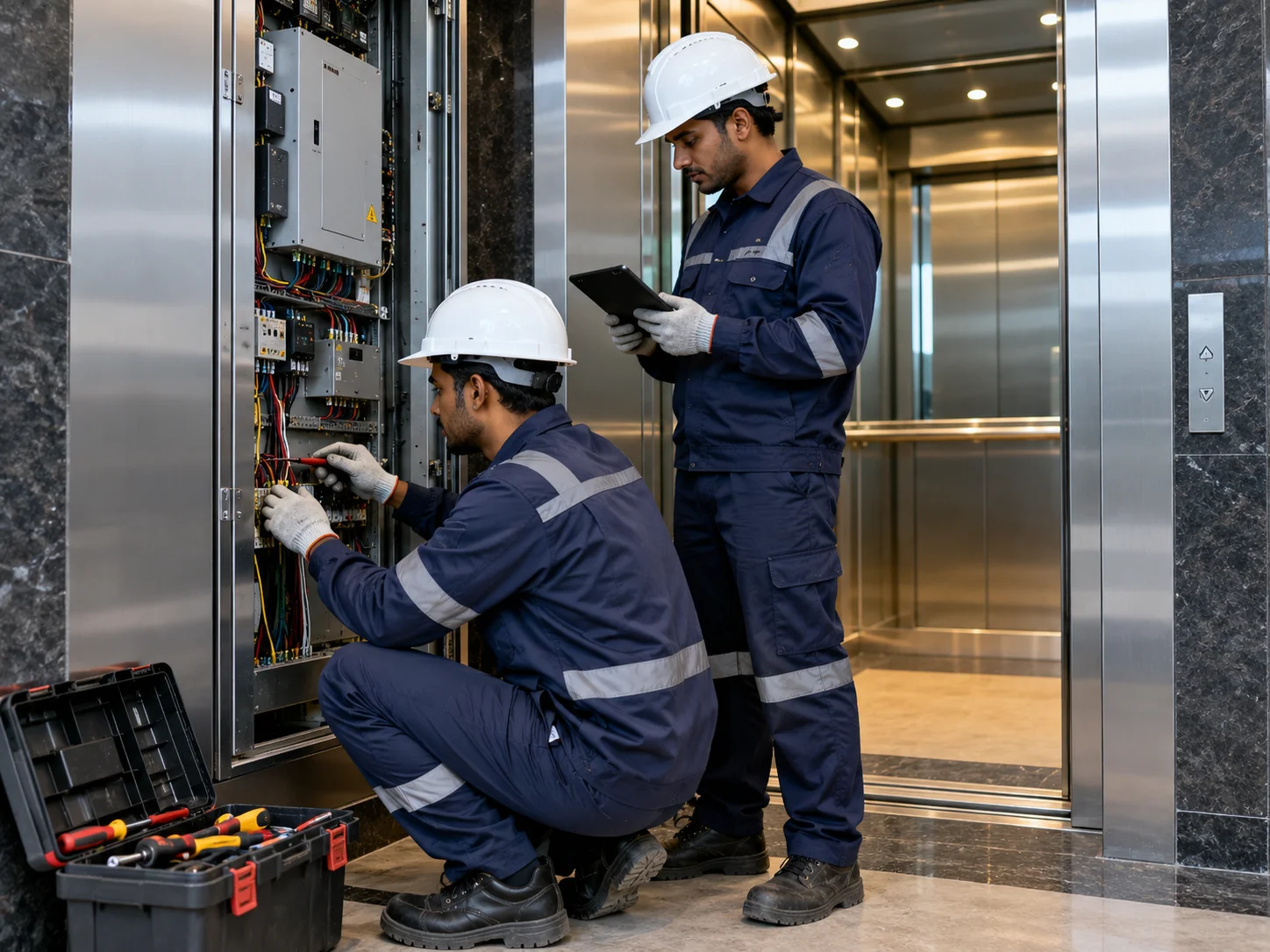
A repair decision should start with the fault, the installed system and the condition of the relevant component rather than a guess at the replacement part.
Technical identification helps reduce the risk of using incompatible components or treating only the visible symptom.
Discuss a service issueSourcing approach
An imported lift or component should not be chosen only by a model name or initial price. The technical requirement and project scope need to come first.
For sourcing discussions, useful checks can include the equipment configuration, supplier documentation, packing scope, shipping needs, installation compatibility and future spare-parts path.
Passenger movement, bed movement, goods handling and architectural use can lead to very different systems.
Building dimensions and access conditions should support the proposed system.
Equipment, accessories, documents and responsibilities should be understood before commercial comparison.
Service access and compatible replacement parts should be part of the decision, not an afterthought.
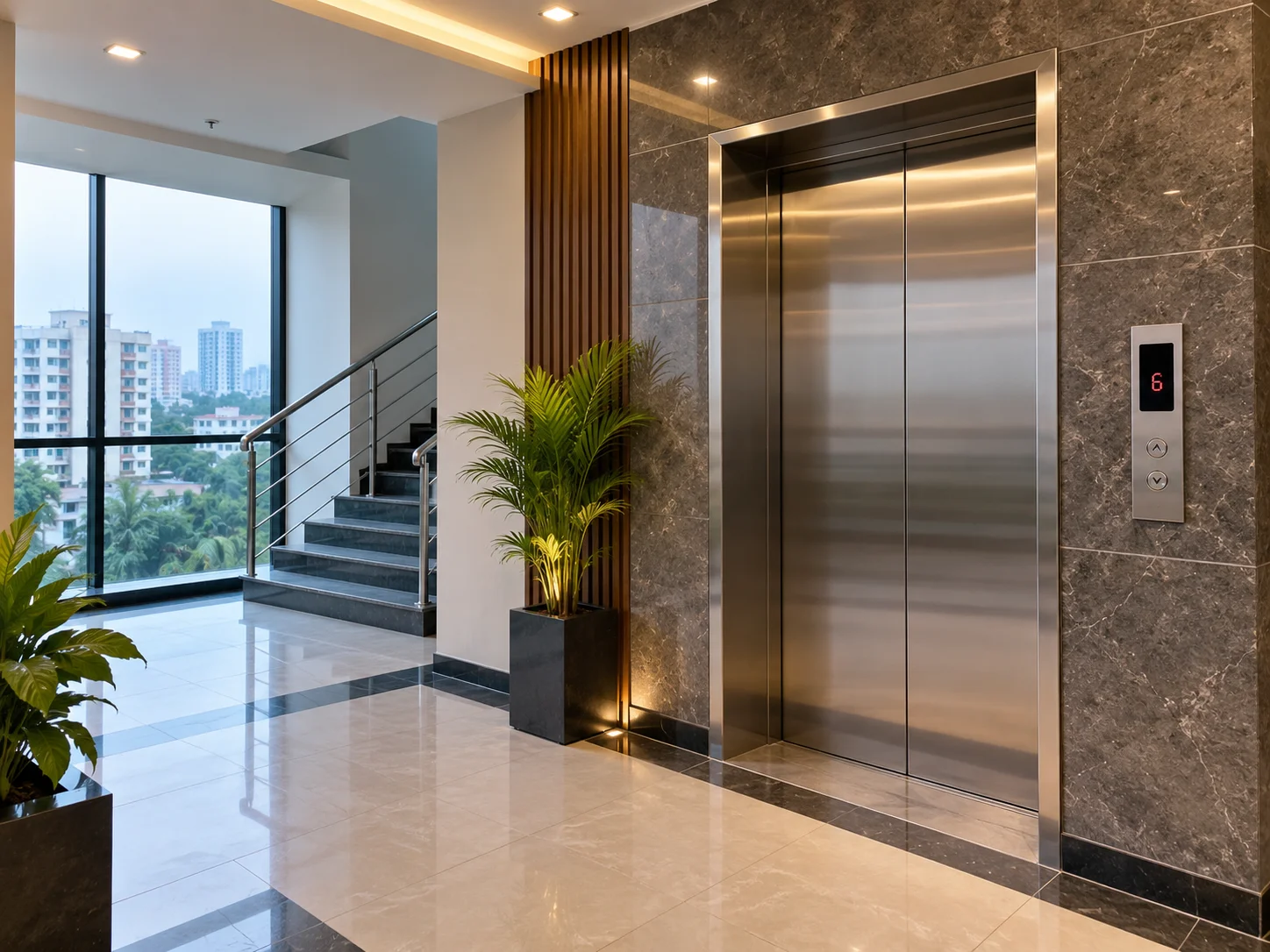
Building context
The final equipment choice is only useful when it fits the site, the users and the way the building will operate.
Residential buildings, hospitals, offices, hotels, factories and warehouses can place very different demands on vertical transport. That is why building use matters before technical selection.
A completed project should also leave a clear path for routine service, fault checking and future component replacement.
View lift and elevator projectsTrust through useful evidence
A company profile should help you understand how the work is handled. It should not depend on unsupported numbers or vague claims.
Use the supporting pages to review technical capability, project workflow and published project information in more detail.
Company profile at a glance
The company role can touch several stages of a project. The exact scope should always be confirmed for the individual job.
Discuss building use, lift requirement, site information and the next technical questions.
Connect the equipment decision with specification, documentation and project requirements.
Coordinate equipment installation with building conditions and relevant civil and electrical work.
Keep maintenance, troubleshooting, repair and compatible parts support in view.
Have a building or lift project to discuss?
Share the building type, location, floors or stops, intended lift use and any drawings or shaft information already available. That gives the technical discussion a useful starting point.