Lift Supply
Review the building requirement before narrowing the suitable elevator configuration.
View lift supply →
Need help with a new lift or an existing elevator in Kafrul? Dhaka Lift Solutions can review enquiries for lift supply, installation, maintenance, repair and technical work based on the building and the actual requirement.
A lift requirement is easier to assess when the basic site information is clear. For a new project, that means understanding the building use, number of floors, intended stops, available shaft space and expected passenger or load requirement.
For an existing elevator, the questions change. The installed system, current condition, fault symptoms and controller or component information become more useful than new-project specifications.
Separating those two situations early helps keep the discussion practical. It also reduces the chance of recommending equipment or repair work before the important details have been checked.
This local page covers the broad service requirement. Detailed product, component and technical subjects remain on their dedicated pages rather than being duplicated for Kafrul.
Review the building requirement before narrowing the suitable elevator configuration.
View lift supply →Coordinate equipment installation with shaft conditions, site readiness and the approved project scope.
Installation service →Routine servicing and condition-based technical attention for installed elevators.
Maintenance service →Assess operating faults before deciding whether adjustment, repair or component replacement is appropriate.
Repair service →Review aging elevator systems where recurring faults suggest a wider upgrade requirement.
Modernization →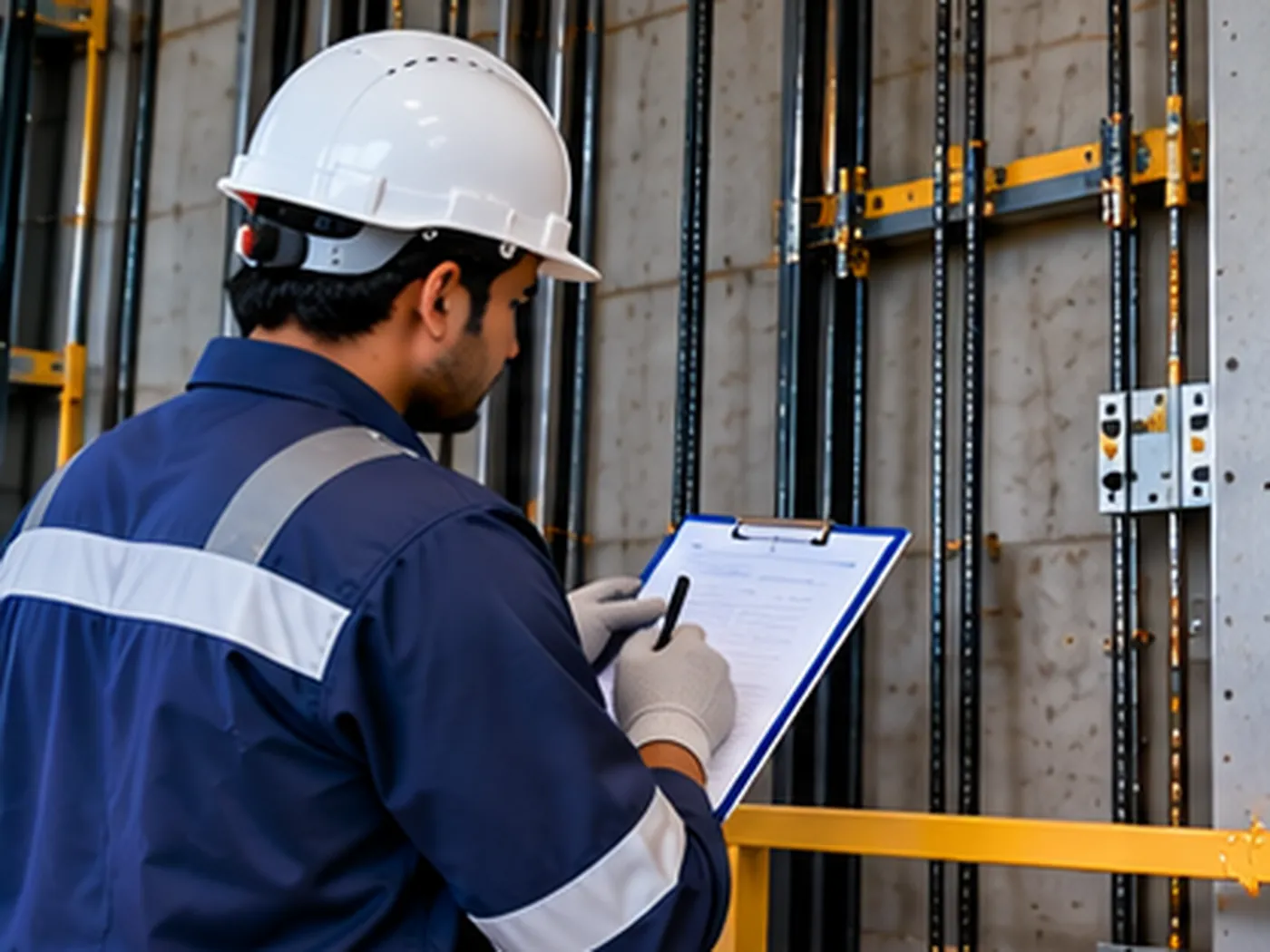
Photos, measurements and drawings are useful for an initial review. They do not always show everything that affects installation or repair.
A site inspection may be needed when the recommendation depends on actual shaft dimensions, access conditions, existing equipment or a fault that cannot be established from the information provided.
Building use affects how a lift is planned and serviced. Capacity, traffic, stops, shaft conditions and operating patterns should be considered together.
Consider the number of floors, household traffic, available shaft space and expected daily use.
Passenger movement and periods of heavier traffic can influence the project requirement.
Floor population, operating pattern and the number of intended stops are useful planning details.
Different occupants and activities may create a more varied elevator traffic pattern.
An elevator can stop, mislevel, make unusual noise or develop a door problem for different reasons. The symptom is important, but it does not always identify the root cause.
For a useful first review, note exactly what the lift does, when the problem occurs and whether any fault information appears. Photos of the controller or relevant equipment can also help identify what is installed.
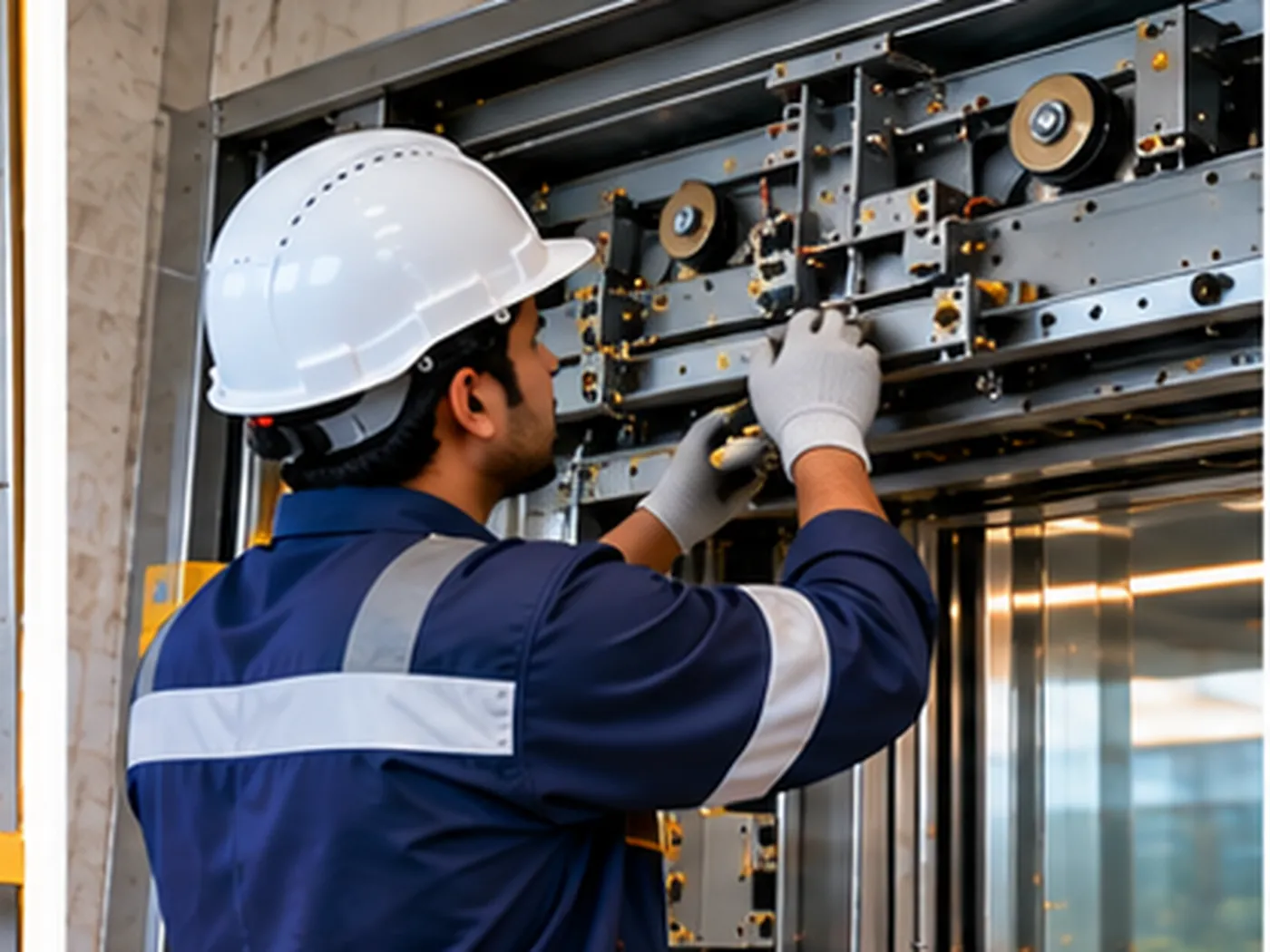
Routine servicing and attention to the installed lift's operating condition.
Work intended to address a specific diagnosed fault or failed component.
A broader review when aging systems or recurring faults point beyond an isolated repair.
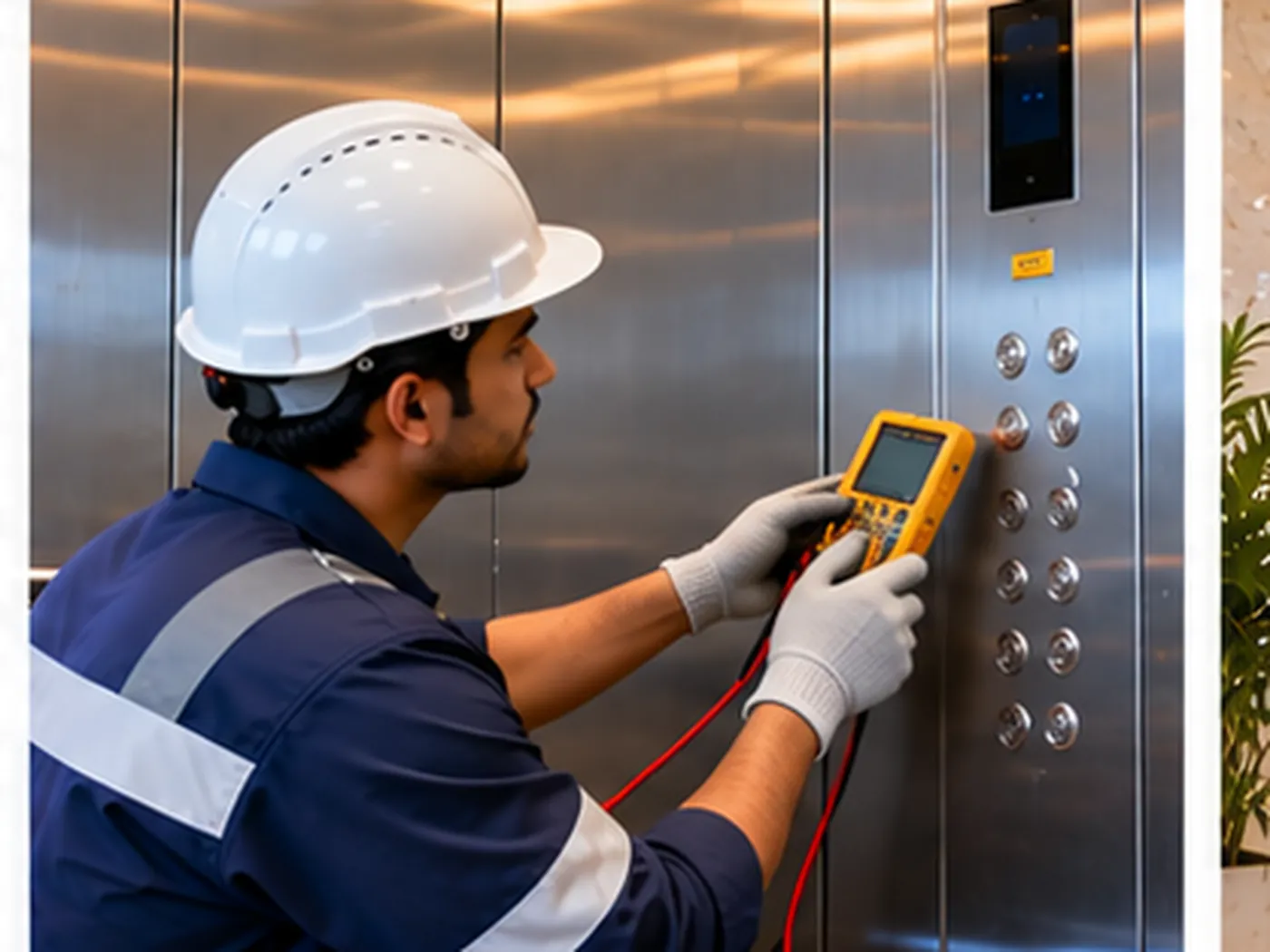
Installing the equipment is only part of a lift project. The relevant functions need to be checked and adjusted according to the elevator system and approved project requirements before handover.
Depending on the equipment, the work may involve door operation, floor leveling, controls, cabin and landing functions and other system-specific checks.
Useful information at the beginning helps the technical discussion move in the right direction without inventing specifications or diagnosing a fault prematurely.
New lift, installation, maintenance, repair or modernization.
Share building information or details of the existing elevator.
Separate confirmed information from points that still need checking.
Verify relevant site, equipment or fault conditions.
Establish the appropriate supply, service, repair or upgrade requirement.
Good records make later maintenance discussions easier. Keep available controller details, component information, previous service notes and photographs that clearly identify the installed equipment.
If the same fault returns, record when it happens and what the lift was doing. Repeated symptoms can provide useful context during later diagnosis.
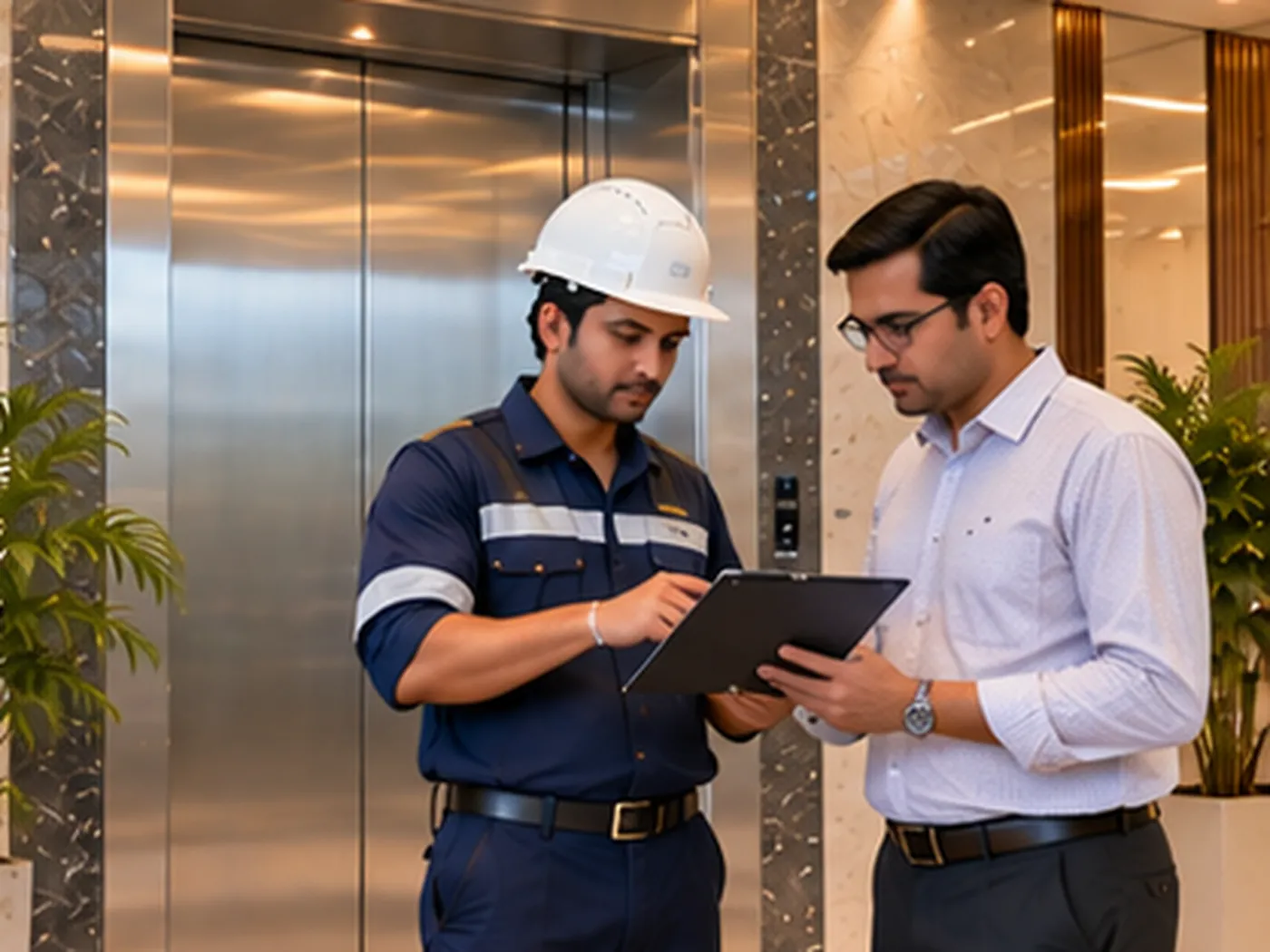
You do not need every technical detail before contacting us. Send what you know and avoid estimating measurements or component specifications that have not been confirmed.
You can discuss lift supply, installation, maintenance, repair, modernization and related technical requirements. The appropriate scope depends on whether the enquiry concerns a new project or an existing elevator.
Share the building type, number of floors, intended stops and shaft information if available. If passenger or load requirements have already been established, include those details as well.
Provide the lift brand or model if known, controller information, a clear fault description, visible error details and relevant photographs. Describe when the fault occurs rather than guessing which component has failed.
That depends on the fault and the information available. Some issues require checks at the lift before the correct repair scope can be established.
No. Maintenance concerns routine servicing and condition-based attention. Repair is intended to correct a specific fault. The required work should follow the actual condition of the lift.
Modernization may be worth reviewing when older controls, drives, doors or other systems cause recurring problems that are not adequately addressed by isolated repairs.
Photographs can help with identification, but compatibility should be verified using the relevant model, controller or part information. Similar-looking elevator components are not automatically interchangeable.
Yes. Begin with the information you have. Any important measurements, specifications or site conditions that still need verification can be identified during the review.
For a new lift, share the building, floors, stops and available shaft information. For an existing elevator, describe the installed system, current condition and fault symptoms.