
OEM Elevator from China for Bangladesh Projects
Plan an own-brand or project-specific elevator package with the factory, technical specification, branding scope, documents and after-sales responsibilities clearly defined before production starts.
An OEM or private-label elevator is manufactured by a factory for another company, project or brand. Depending on the agreement, the factory may supply a standard platform with selected finishes and branding, or a more project-specific configuration.
The important point is not the logo alone. The quotation should identify who manufactures the equipment, where it is produced, what specification is being supplied and who is responsible for warranty and technical support.
OEM supply makes sense when the buyer needs control over the product
An OEM route is usually more relevant to commercial buyers than to someone simply comparing one ready-made lift for a single building.
Start with the building, lift type and technical requirement. Branding is useful only after the underlying product is suitable.
Companies planning an own-brand product line may need repeatable specifications, branded panels, documentation and spare-parts records.
A developer with several similar buildings may want consistent finishes, component choices and project documentation across multiple units.
Main contractors may need a complete package built around consultant, architectural and project requirements rather than a generic showroom model.
Importers planning repeat supply need clearer records for models, components, branding, packing and future replacement parts.
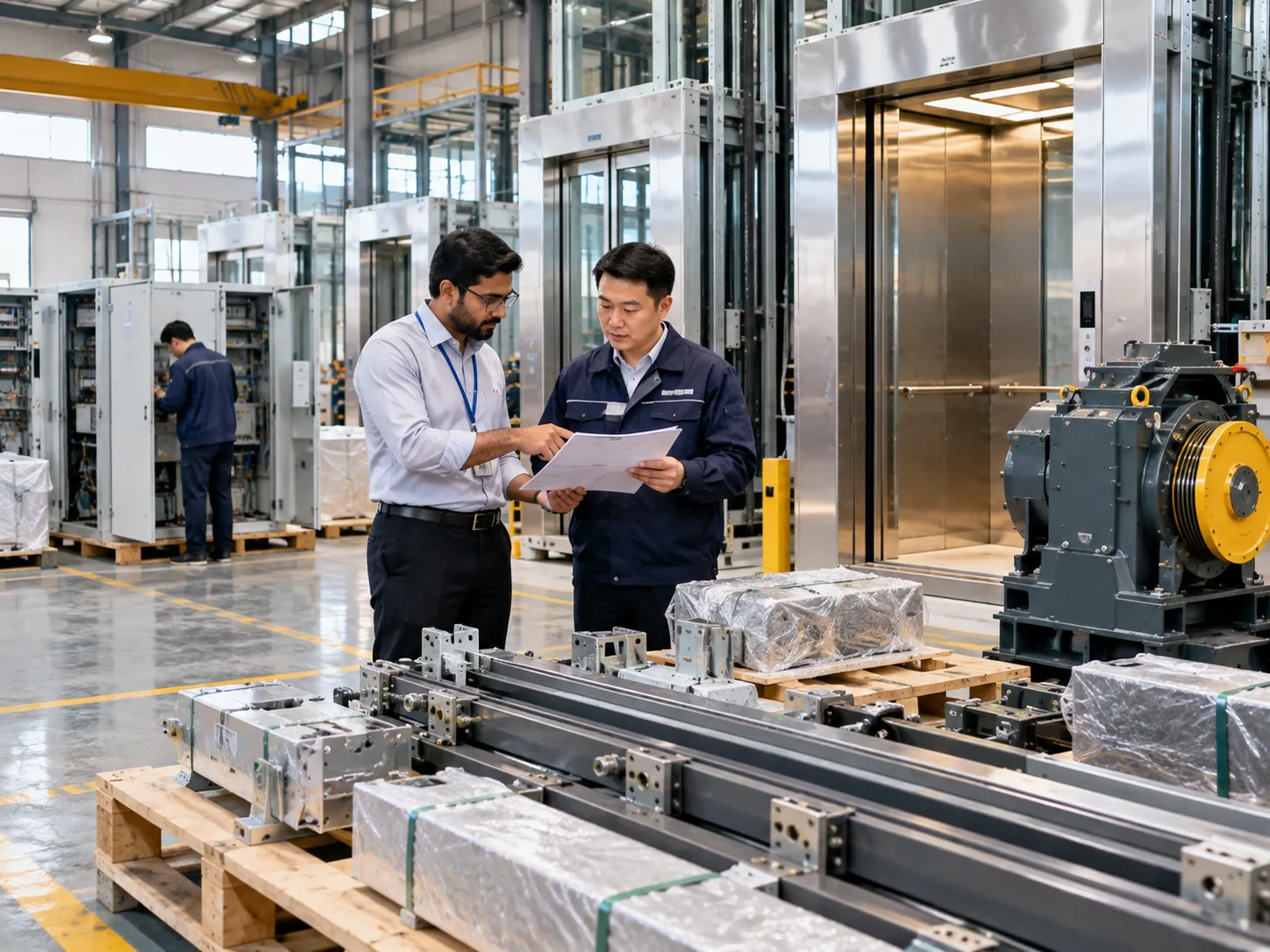
Know which company is actually manufacturing the elevator
A sales name, export company and manufacturing factory are not always the same entity. Ask for the relationship to be explained before treating an offer as an OEM factory quotation.
Manufacturer identity
Record the legal manufacturer name that will appear in the commercial and technical documents.
Production factory
Confirm which facility is responsible for producing the complete lift or the main equipment in the package.
Product responsibility
Clarify whether the supplier is the manufacturer, an export company, an assembler or another commercial party.
Repeat-order records
If future supply matters, keep the agreed component models, drawings, finishes and approved configuration on record.
Four details should never be left vague in an OEM quotation
Do not rely on a catalogue statement alone. The exact project quotation should show the information that applies to the actual elevator being ordered.
Manufacturer
State the actual manufacturing company rather than only the private-label brand that may appear on the finished lift.
Factory
Clarify the production location and which parts of the complete package are made or assembled there.
Certification
Ask for documents that apply to the actual equipment or model. Check the issuer, scope and project requirement rather than relying on a brochure logo.
Warranty
Write down the warranty period, responsible party, covered parts and any exclusions or freight, labour and local-service responsibilities.
Decide what “custom OEM” means before comparing quotations
Customization varies widely by factory and project quantity. Make each requested change part of the written specification rather than assuming it is included.
Move from building requirement to production in a controlled order
The exact commercial route can differ, but the technical sequence should remain clear. Production is easier to control when the specification is frozen before documents and manufacturing begin.
Collect the building information
Start with use, floors, stops, shaft information if available, expected capacity and the type of lift needed.
Shortlist the manufacturing route
Compare supplier and factory capability against the actual project rather than selecting from branding alone.
Review technical and commercial offers together
Check that the equipment being priced is the same equipment being discussed technically.
Freeze the agreed configuration
Record component choices, finishes, branding and drawings before production wherever the project allows.
Coordinate payment and import documents
Commercial documentation should follow the agreed transaction and Bangladesh banking/import requirements.
Inspect against the approved order
Use the signed specification, component list and agreed finishes as the reference for pre-shipment checks.
Pack, ship and prepare the Bangladesh site
Shipment planning and building readiness should move together so equipment is not left without suitable receiving or storage arrangements.
Keep the OEM specification connected to the import documents
The commercial paperwork should describe the same transaction as the technical order. Company names, product description, value, quantity, payment terms and shipment details should not come from an old quotation after the lift specification has changed.
This page does not duplicate the full Bangladesh LC process. For bank-led LC planning, use the Lift LC Import Bangladesh guide .
For PI, shipping, customs and document preparation, see the lift import documentation resource .
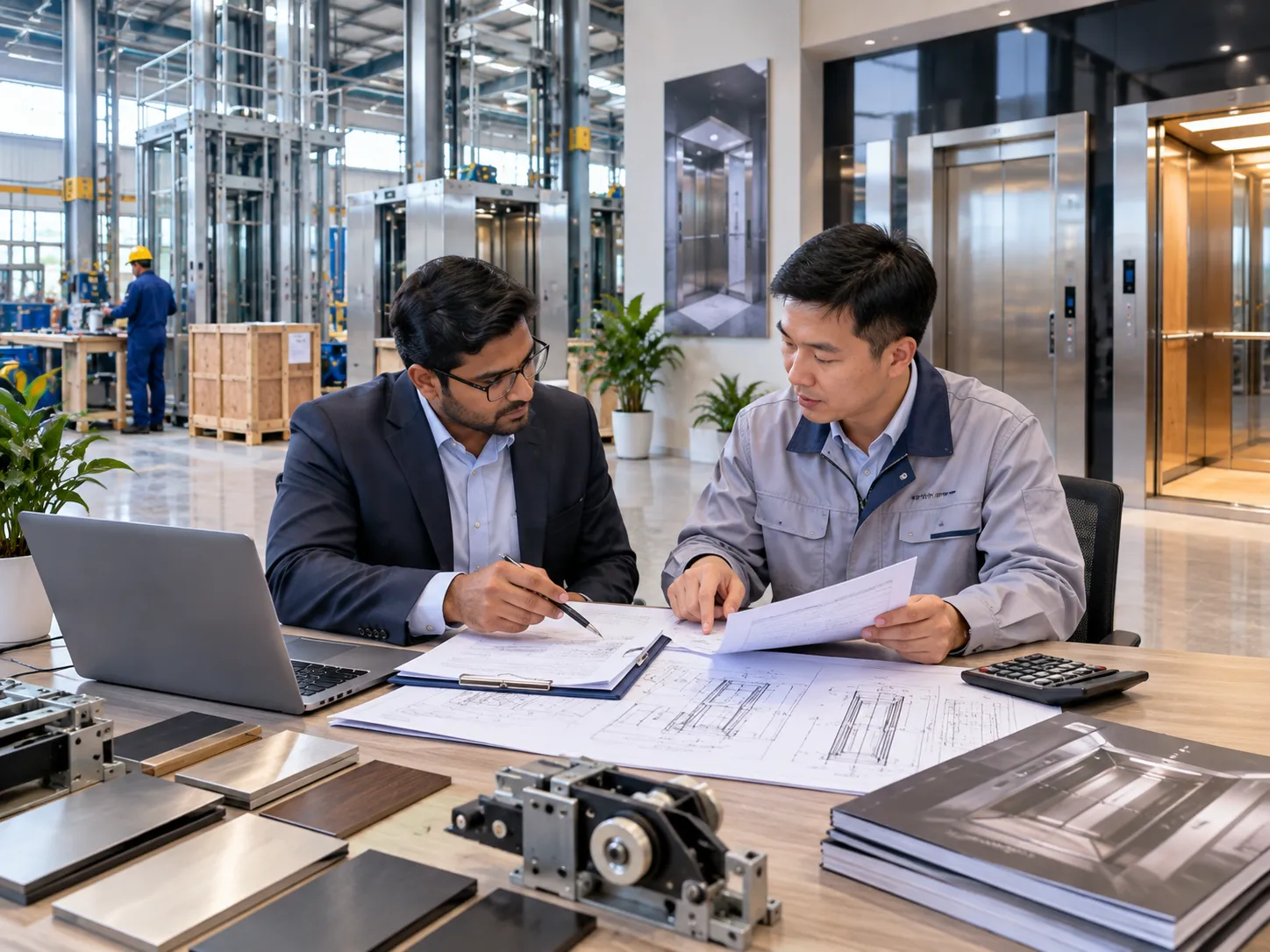
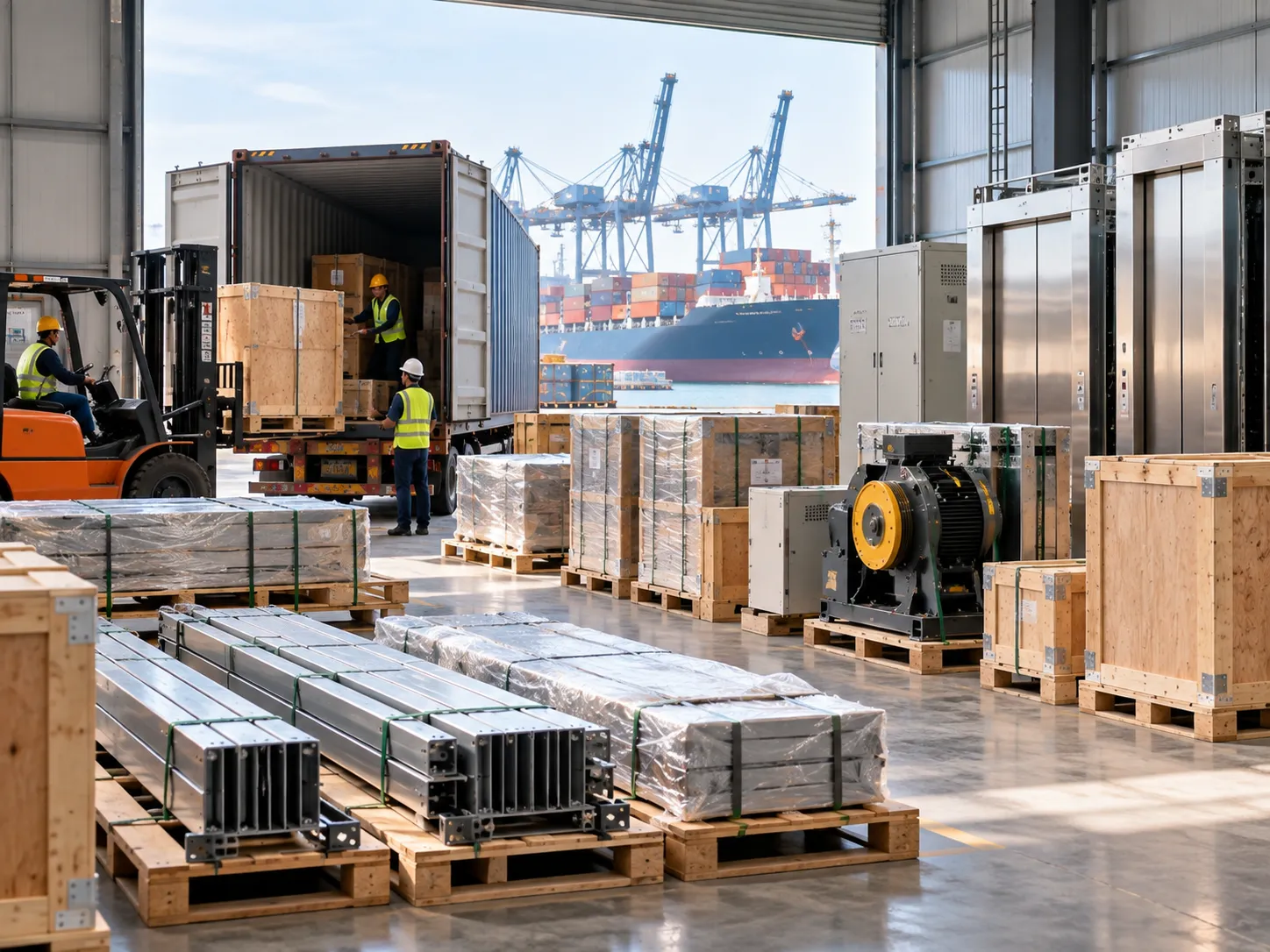
An OEM package should still be easy to identify after it reaches Bangladesh
A complete lift shipment can contain many mechanical, electrical and decorative items. Clear packing and identification help the receiving and installation teams understand what has arrived.
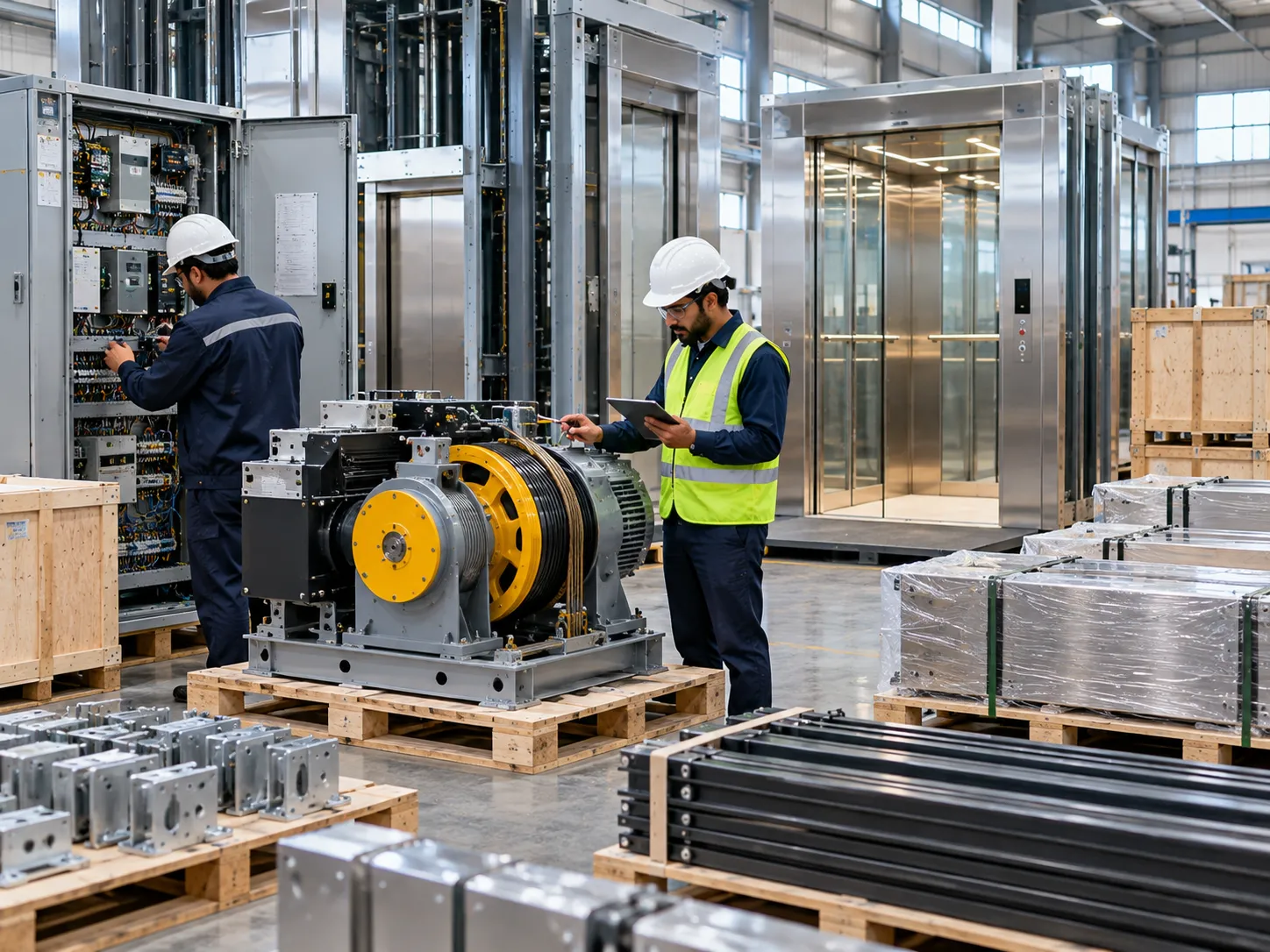
Inspect the actual order, not a showroom sample
A useful inspection needs a clear reference. The approved technical specification, component list, finishes, quantity and packing requirement should define what is being checked.
- Compare key equipment with the approved project specification.
- Check visible component models or identification where required.
- Review agreed cabin, door and operating-panel finishes.
- Check obvious shortages, damage and packaging condition before dispatch.
- Keep inspection records linked to the actual order.
A visual inspection does not automatically prove every performance, certification or regulatory requirement. The inspection scope should be defined before it begins.
An own-brand name can make responsibility look simple. The written agreement still needs to say who actually handles each part of the support.
Define warranty, spare parts and service responsibility before placing the order
Identify whether responsibility sits with the manufacturer, exporter, local seller or another named party.
Record what equipment is covered and whether exclusions apply to consumables, misuse or site conditions.
Ask how replacement components will be identified and ordered if a controller, drive, door component or other item later needs replacement.
Clarify who pays international freight, local transport, installation labour or replacement labour when a warranty issue arises.
Keep manuals, diagrams and component references that may be needed for future service.
Plan how routine maintenance and future repair will be handled after the elevator is installed in Bangladesh.
Send enough project information to compare the right OEM package
A useful quotation starts with the building requirement. Exact final dimensions and technical values depend on the selected lift and site conditions.
Use the page that matches your actual buying stage
Common questions about OEM elevators from China
Can an OEM elevator carry my own company brand?
Is an OEM elevator the same as a FUJI or SIGMA elevator?
Can every part of the lift be customized?
Which certificates should an OEM lift have?
Is there a fixed minimum order quantity for OEM elevators?
What affects the price of an OEM elevator package?
Define the product before you commit to the logo, supplier or shipment
Share your building details, lift type and OEM requirement. A clearer project brief makes it easier to compare the technical package, manufacturing information and commercial quotation.