Lift Supply
Review lift type, building use, stops, available shaft space and project requirements before equipment selection.
Supply details →
Planning a new lift or dealing with an existing elevator problem in Dhaka? Start with the building, lift condition and actual requirement. Dhaka Lift Solutions can review enquiries for supply, installation, maintenance, repair, modernization and related technical support.
The right first step depends on the job. A new installation needs building and shaft information. An existing lift needs its model, present condition and fault details. A maintenance enquiry should start with the system condition and required service scope.
A building owner looking for a new passenger lift has a different requirement from a facility manager dealing with repeated door faults. This page covers the broad Dhaka service scope; detailed technical subjects remain on their dedicated service pages.
Review lift type, building use, stops, available shaft space and project requirements before equipment selection.
Supply details →Installation planning should coordinate the lift system with the actual shaft, electrical preparation and building programme.
Installation →Existing elevators need servicing based on their condition, usage, equipment and maintenance requirements.
Maintenance →Door faults, control issues, unusual operation and recurring stoppages should be diagnosed before parts are replaced.
Repair service →An older system may need targeted upgrades rather than repeated isolated repairs. Scope depends on the existing lift.
Modernization →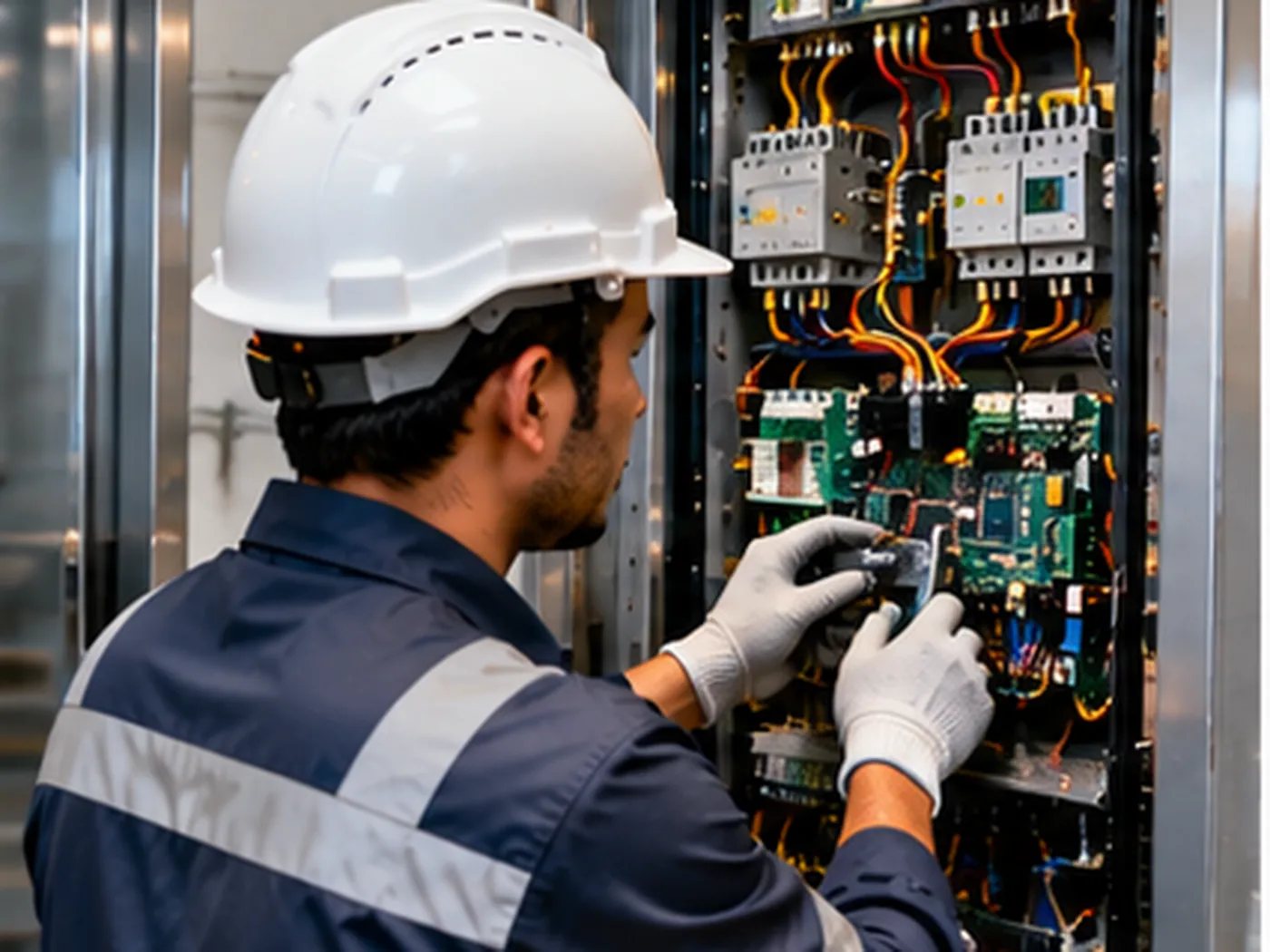
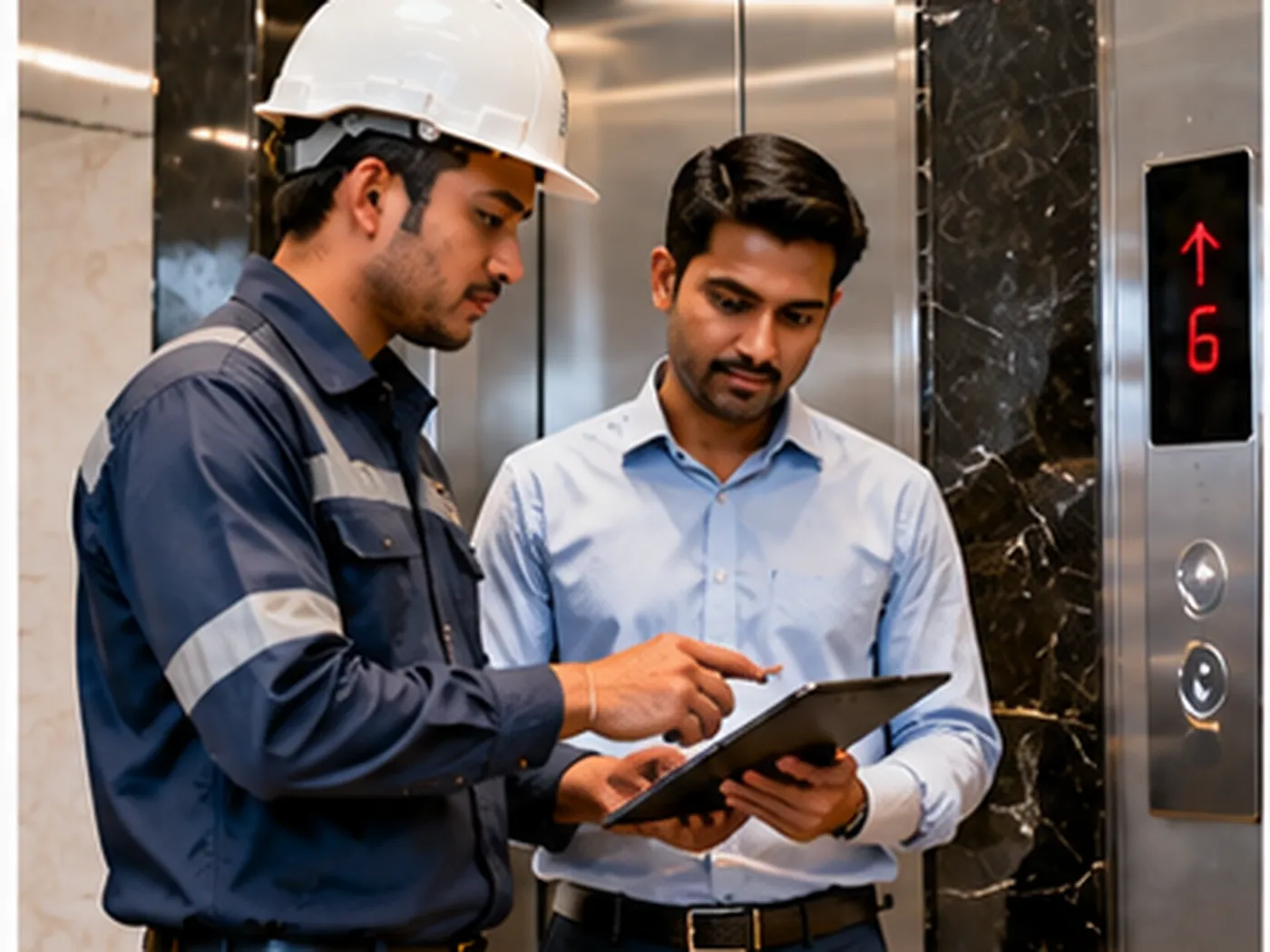
Drawings and photographs are useful, but they do not always show the full site condition. For work that depends on dimensions, existing equipment or installation access, a technical site review may be the practical next step.
For an existing elevator, inspection can also help separate the visible symptom from the underlying fault.
Traffic, accessibility, operating hours, loading and passenger expectations are not identical across Dhaka buildings. Those differences should influence lift selection and service planning.
The sequence changes with the project, but a clear requirement should come before equipment, repair or upgrade decisions.
A stopped lift can have many possible causes. Door equipment, control circuits, electrical components, sensors, drive systems or other parts may be involved depending on the system.
Replacing the first suspicious component without proper diagnosis can leave the real problem unresolved.
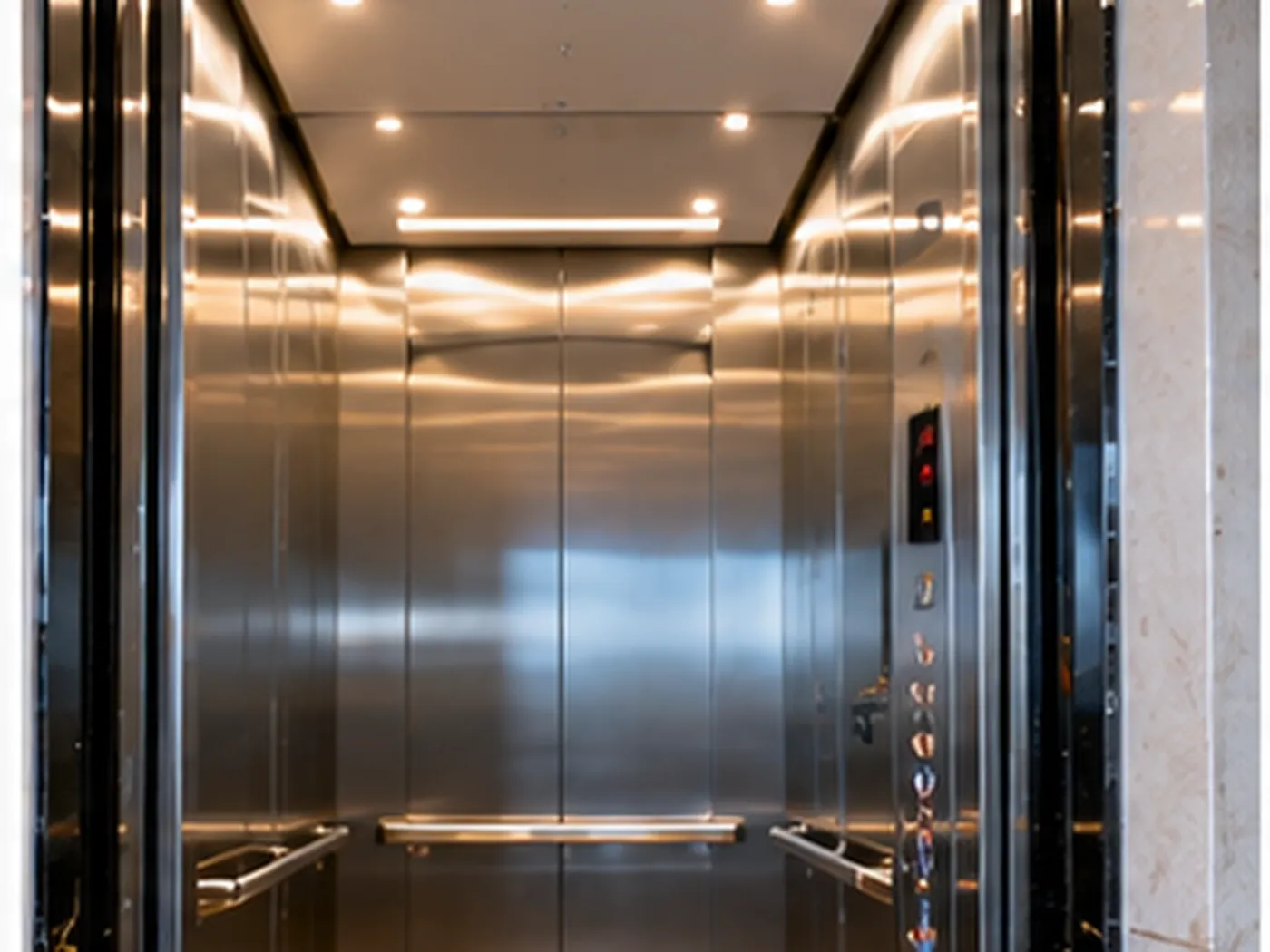
A lift system needs appropriate testing, adjustment and commissioning before normal use. The exact checks depend on the installed system, project specification and applicable requirements.
This stage can include checking operating response, landing and cabin functions, door operation, leveling behaviour and relevant control/safety functions according to the project scope.
These are not interchangeable terms. The correct route depends on the lift's condition and the problem the building is trying to solve.
A lift becomes part of the building's daily operation. Maintenance access, replacement parts, fault reporting and future technical support should therefore be considered during project planning.
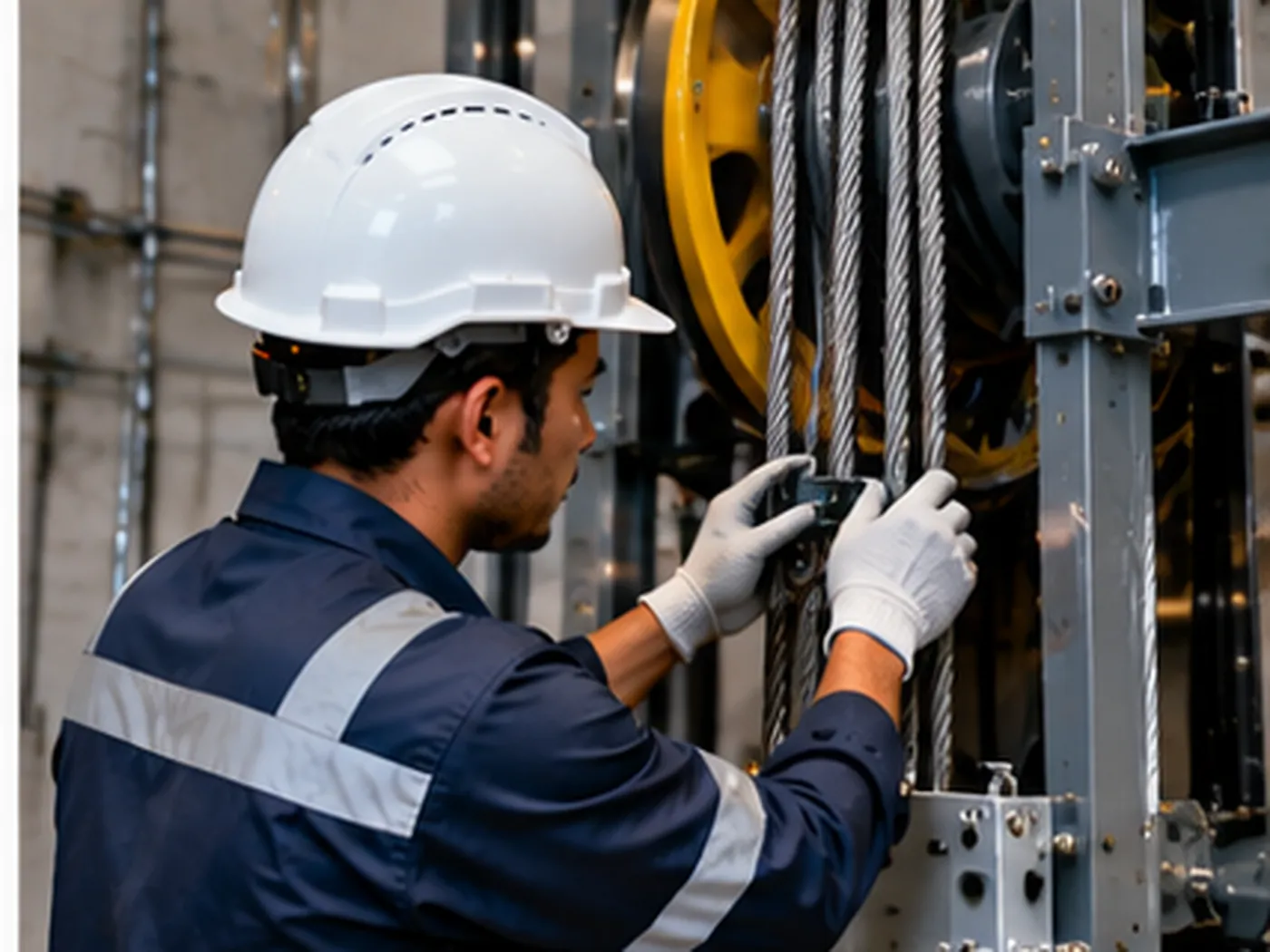
Dhaka projects vary from occupied apartment buildings to new commercial construction. Site constraints can change what is practical.
You do not need to know every technical detail. Share the information you already have and avoid guessing missing specifications.
New project? Start with the building and shaft.
Existing lift? Start with the lift identification and current problem.
Neighborhood pages carry their own local search intent. Use them when the project is specifically in one of these areas.
Start with the project location, building type, number of floors and stops, shaft dimensions or drawings if available, and the expected passenger or load requirement. Final technical requirements depend on the selected lift system and actual site conditions.
You can submit an existing-lift service enquiry with the building location, lift identification, present condition, fault symptoms and available photographs. Whether a site inspection is required depends on the problem and information available.
Provide the lift brand or model if known, controller information, a description of the fault, when it occurs, any fault indication and clear photographs of the relevant equipment. Do not guess technical details that you cannot verify.
No. Maintenance is routine servicing and condition-based attention. Repair addresses a specific fault or failed system. A lift with recurring problems may need diagnosis before the correct scope can be determined.
Modernization can be considered when aging controls, drives, doors or other systems create recurring problems or when the building needs a broader upgrade. The appropriate scope depends on the condition of the existing lift.
This page does not publish a guaranteed 24/7 response commitment. For a stopped lift or urgent service requirement, contact the team with the building location and fault details so current support availability can be confirmed.
An initial discussion is possible, but shaft dimensions and building requirements are important before final equipment selection or a technically meaningful project scope. Site measurement may be needed where dimensions are unavailable or uncertain.
No. Building use, traffic, floors, shaft conditions, accessibility needs, passenger or load requirements and the selected lift system all affect the project. Generic specifications should not be treated as universal requirements.
Share the project location, building use and the work you need. For an existing elevator, include the lift information, current problem and useful photos.