
Lift Maintenance in Bangladesh for Reliable Daily Operation
Routine servicing helps building teams spot wear, operating problems and maintenance needs before they become harder to manage. The right scope depends on the lift system, its condition and how the building uses it.
Lift maintenance normally involves scheduled inspection, cleaning, adjustment, lubrication where applicable, operating checks and review of safety-related components. The exact work should match the elevator design, usage, current condition and agreed service scope.
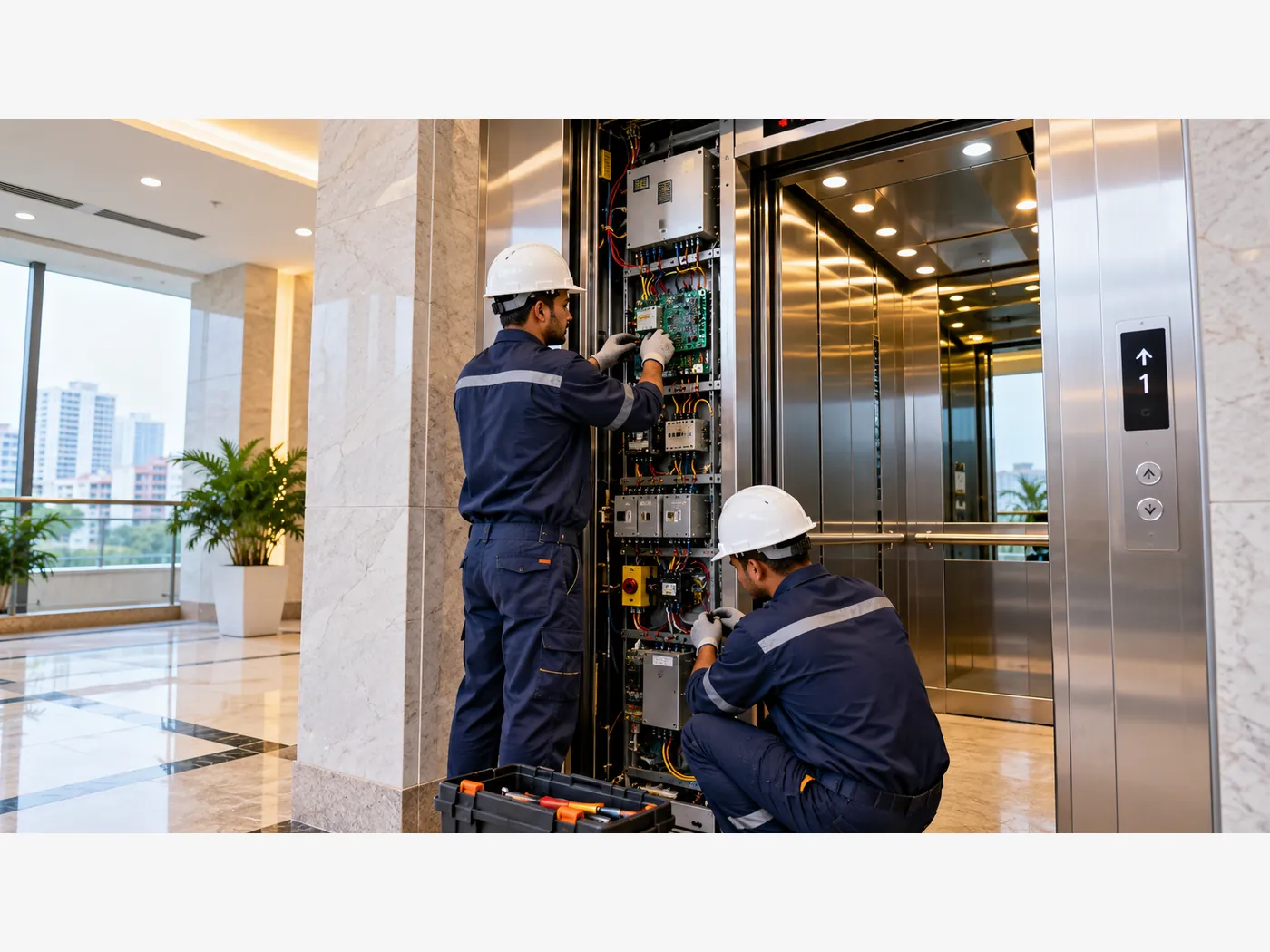
A useful maintenance visit starts with the lift's actual condition, not a generic checklist alone.
What should be checked during scheduled servicing?
The exact checklist varies by elevator. These are common areas a technical inspection may need to review.
-
01
Doors and landing operationCheck opening, closing, alignment, locks, sensors and unusual movement where applicable.
-
02
Ride and floor levellingLook for vibration, unusual noise, rough travel or inaccurate stopping at floor level.
-
03
Controller and electrical conditionReview visible connections, operating indications and relevant fault information.
-
04
Mechanical componentsInspect applicable moving parts for wear, adjustment and lubrication needs.
-
05
Safety-related equipmentCheck applicable safety devices according to the lift system and maintenance procedure.
Small operating changes can be useful warning signs
A lift does not need to stop completely before it deserves attention. A new noise, door problem or change in ride quality can justify inspection.
How a maintenance visit can be approached
A scheduled visit should connect inspection findings with clear next actions. Not every finding means a major repair, and not every fault should be treated as routine servicing.
Review the lift and reported issues
Confirm the lift type, building use, recent symptoms and any known operating problems.
Inspect relevant systems
Check the areas included in the maintenance scope and note visible wear or abnormal operation.
Service and adjust where appropriate
Carry out applicable cleaning, adjustment, lubrication or routine service work.
Test operation and record findings
Review operation after servicing and identify items that need monitoring, parts or separate repair work.
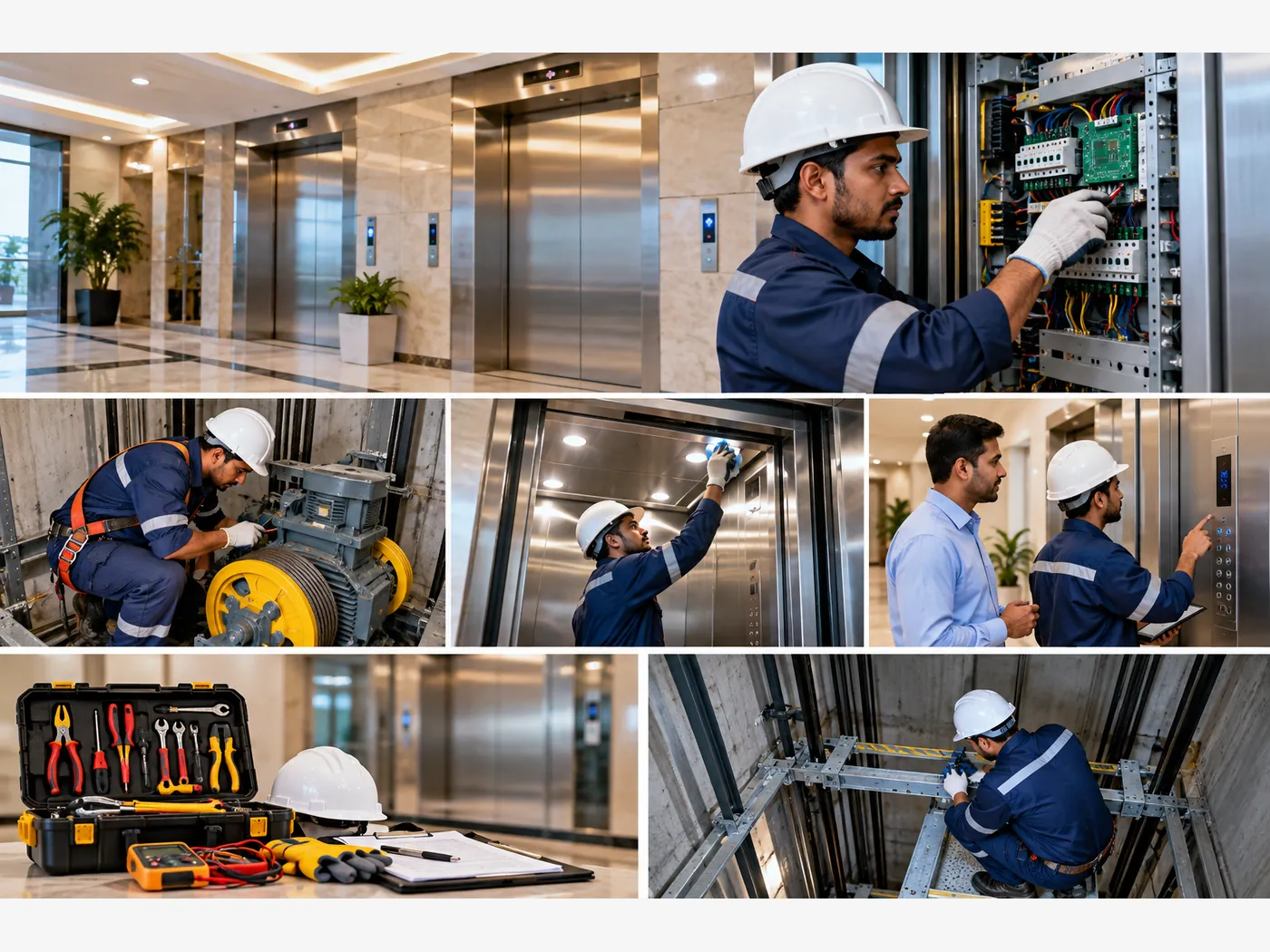
The maintenance plan should reflect how the lift is used
Traffic, operating hours and building purpose affect what the service team needs to pay attention to. The same routine should not be assumed for every property.
Maintenance should end with an operating check
Servicing is more useful when the technician checks how the elevator behaves after the work and records anything that still needs attention.
Relevant checks may include door operation, controls, floor stopping, ride behaviour and the systems addressed during the visit. The applicable procedure depends on the elevator and the work completed.
Where a component is worn or a fault needs more than routine service, the next step should be made clear rather than hidden inside a general maintenance description.
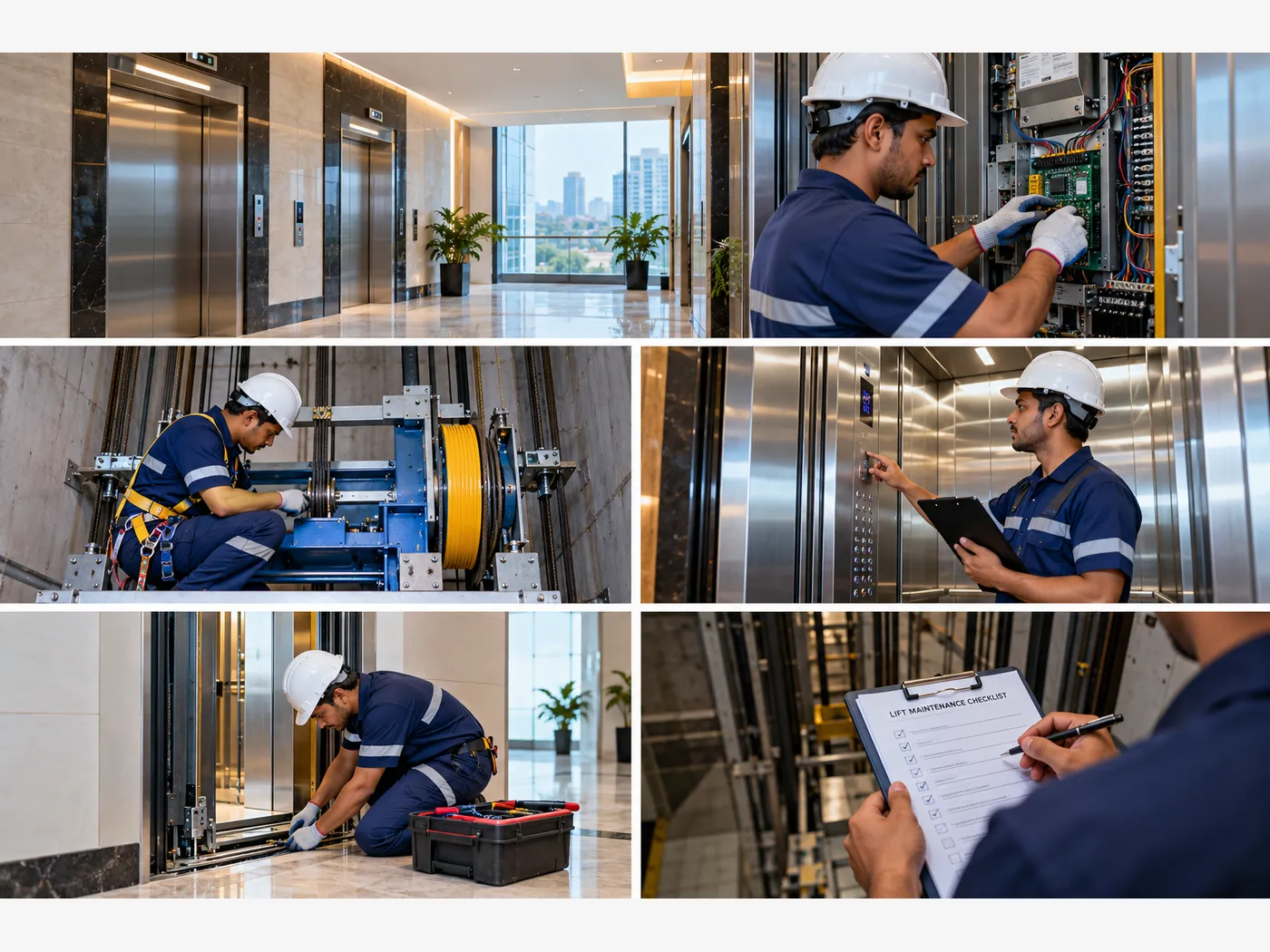
Routine maintenance and lift repair are not the same job
Maintenance can reveal a fault. Once a defective component or specific failure is identified, additional repair work may need its own scope and parts assessment.
Scheduled maintenance
Focuses on recurring inspection, servicing, adjustment and checking the elevator's operating condition.
Explore preventive maintenance →Fault diagnosis and repair
Focuses on finding and correcting a specific breakdown, damaged component or recurring operating fault.
View lift repair & troubleshooting →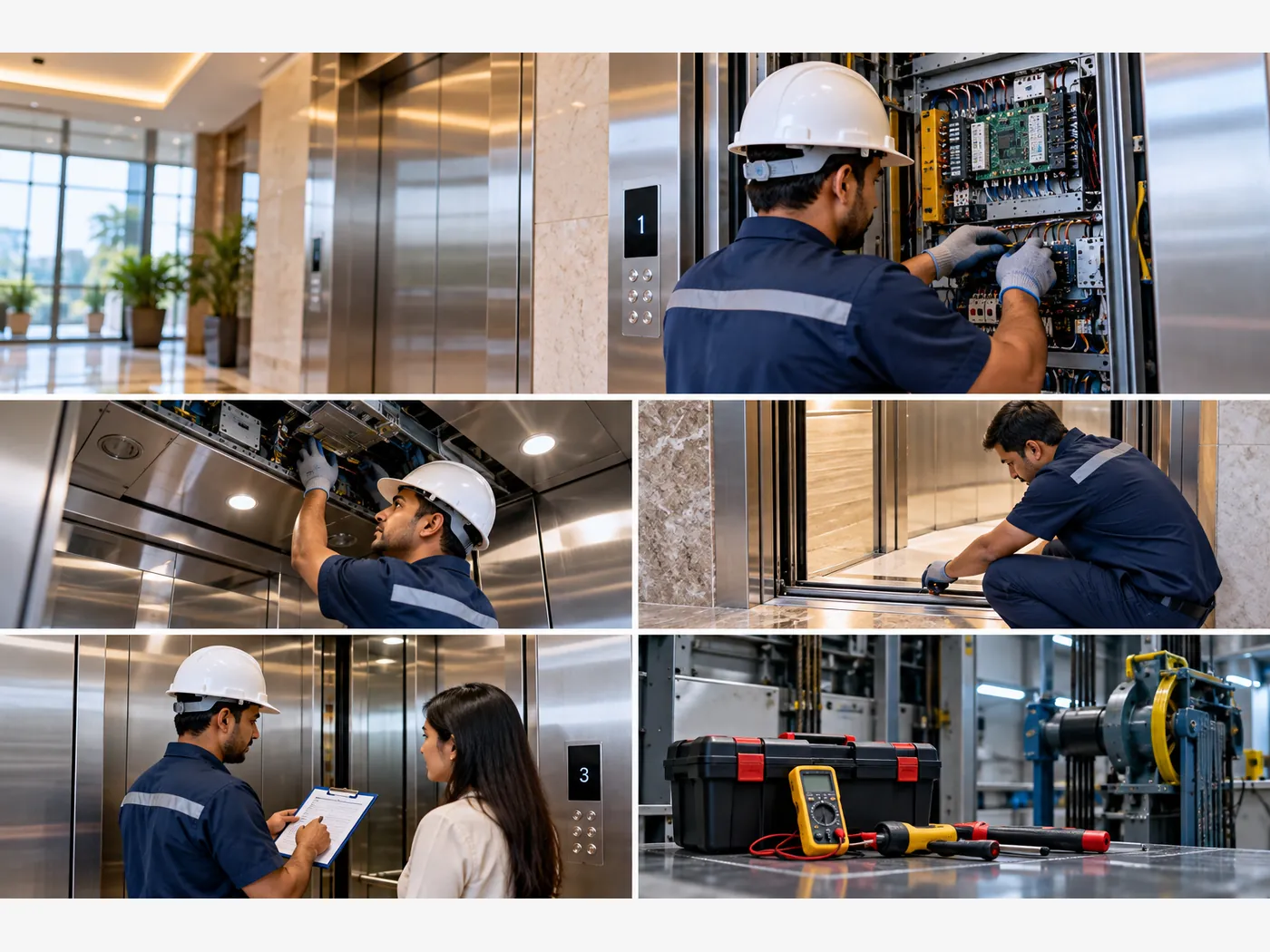
Share the details that help a technician understand the lift
A few basic details can make the first maintenance discussion much more useful.
If the lift has a recurring problem, photos of the relevant controller display or affected area may also help the technical team understand what needs to be inspected.
Request a Lift QuotationChoose the service that matches the actual requirement
Lift maintenance questions from building owners
What is included in lift maintenance?
The exact scope depends on the elevator and service agreement. It can include inspection, cleaning, applicable lubrication and adjustment, operating checks and review of relevant electrical, mechanical and safety-related components.
Does routine maintenance include replacement parts?
Do not assume that it does. Parts coverage depends on the service or AMC terms. If an inspection finds a worn or defective component, confirm whether the part and replacement work are included or quoted separately.
Can an older lift be maintained instead of replaced?
That depends on its condition, component availability, recurring faults and technical suitability. Inspection can help identify whether routine maintenance is enough or whether repair or modernization should be considered.
What affects lift maintenance cost in Bangladesh?
Cost can vary with lift type, system condition, service scope, visit requirements, parts coverage, building location and the faults found during inspection. A site-specific quotation is more useful than assuming one fixed maintenance price.
What information should I send before requesting maintenance?
Share the building location, lift type, brand or model if known, number of lifts, current condition and any unusual noise, door issue, stopping problem or recurring fault you have noticed.
Start with the lift's present condition
Share your building location, elevator details and current maintenance needs. The technical scope can then be discussed around the actual system rather than a generic package.