
Elevator Encoder in Bangladesh
Need a replacement lift encoder? Start with the exact encoder model, motor, drive or controller, connector and mounting details. An encoder that looks similar is not automatically a compatible replacement.
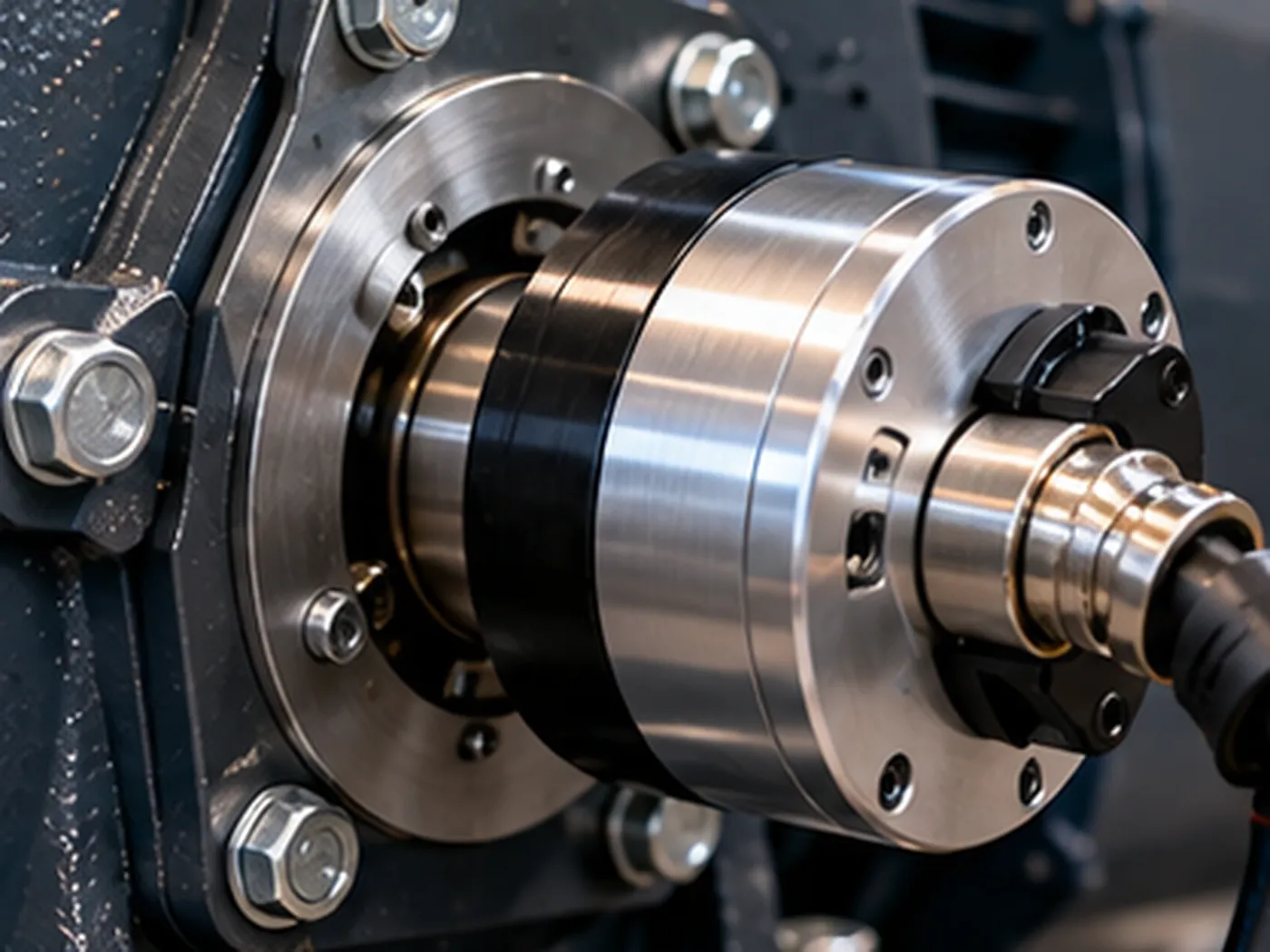
What does an elevator encoder do?
An elevator encoder measures movement and sends feedback to the relevant drive or control electronics.
On traction-machine applications, this feedback can be used for motor speed, direction and position-related control. Accurate feedback helps the control system manage movement and stopping.
Encoder design varies. The electrical interface, resolution, connector, cable, shaft arrangement and mounting method must match the application.
“Same size” does not mean “same encoder.” Two units may fit the same space but use different signals, connections or feedback specifications.
Encoder problems are not always encoder problems
The feedback chain includes the mechanical installation, encoder, cable and receiving control electronics. A fault anywhere along that path can affect the signal.
The encoder is mechanically connected or positioned according to the equipment design.
Movement is converted into the feedback signal required by the particular system.
The receiving electronics use valid feedback according to the configured elevator control arrangement.
What must match before an encoder is ordered?
Photograph the full label, connector, cable, mounting area and related motor or machine identification where safely accessible.
Use the complete readable model from the existing encoder label. Small suffix differences can matter.
Identify the feedback technology required by the existing elevator drive and motor arrangement rather than assuming all rotary encoders work the same way.
Pulse, position or resolution specifications need to correspond to the control system requirement.
Supply and signal/interface requirements must match the receiving electronics.
Check the actual connector, cable and pin configuration. Never assume matching connector shape proves matching wiring.
Mechanical dimensions and mounting method must suit the traction machine or motor.
The drive, controller and any relevant feedback interface or card need to support the encoder being used.
The encoder is only one part of the feedback system
When an elevator develops a feedback-related fault, replacing the encoder without checking the surrounding system can waste time and parts.
A technician may need to consider the encoder mounting, cable, connectors, grounding or shielding, drive settings and motor conditions as part of diagnosis.

Signs that justify checking the feedback system
These symptoms do not prove the encoder itself has failed. They are reasons to inspect the encoder feedback path and related control conditions.
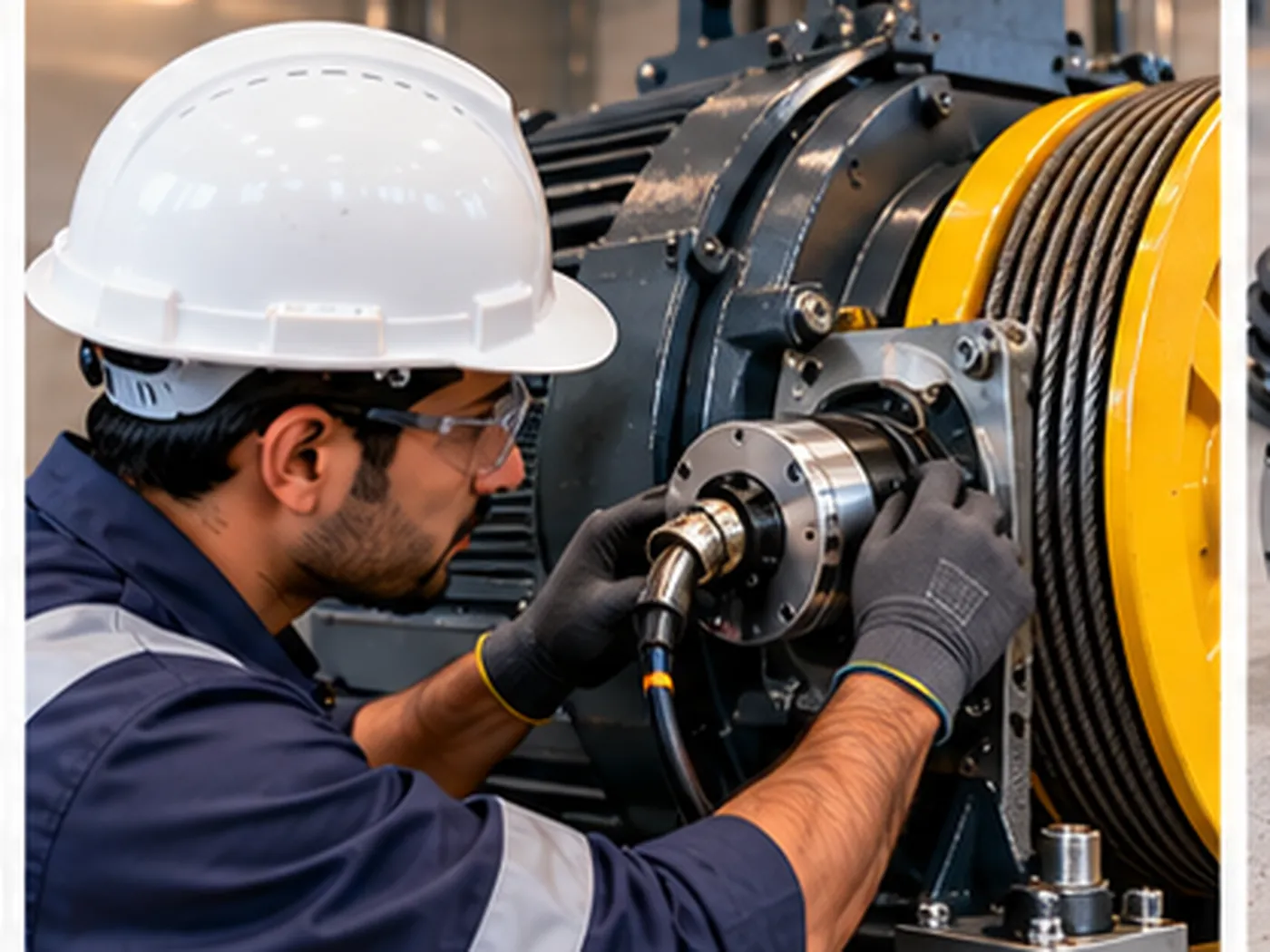
Give the technician the fault history, not just the old part
A useful encoder enquiry explains what happened before the problem, what fault was displayed and whether any drive, controller, motor or wiring work was recently carried out.
- Save the fault code before resetting the system.
- Photograph the original encoder label clearly.
- Record the motor or traction-machine details where available.
- Identify the drive/controller and relevant feedback interface.
- Show the connector and mounting in clear photos.
- Describe previous repair work that may be related to the fault.
Encoder, cable or related feedback component?
The required part should follow diagnosis and identification. Availability and compatibility need to be confirmed for the specific elevator system.
Some enquiries involve the encoder itself. Others may involve its cable, connector, mounting arrangement or a related control-side interface. Sending complete details helps separate these cases before quotation.
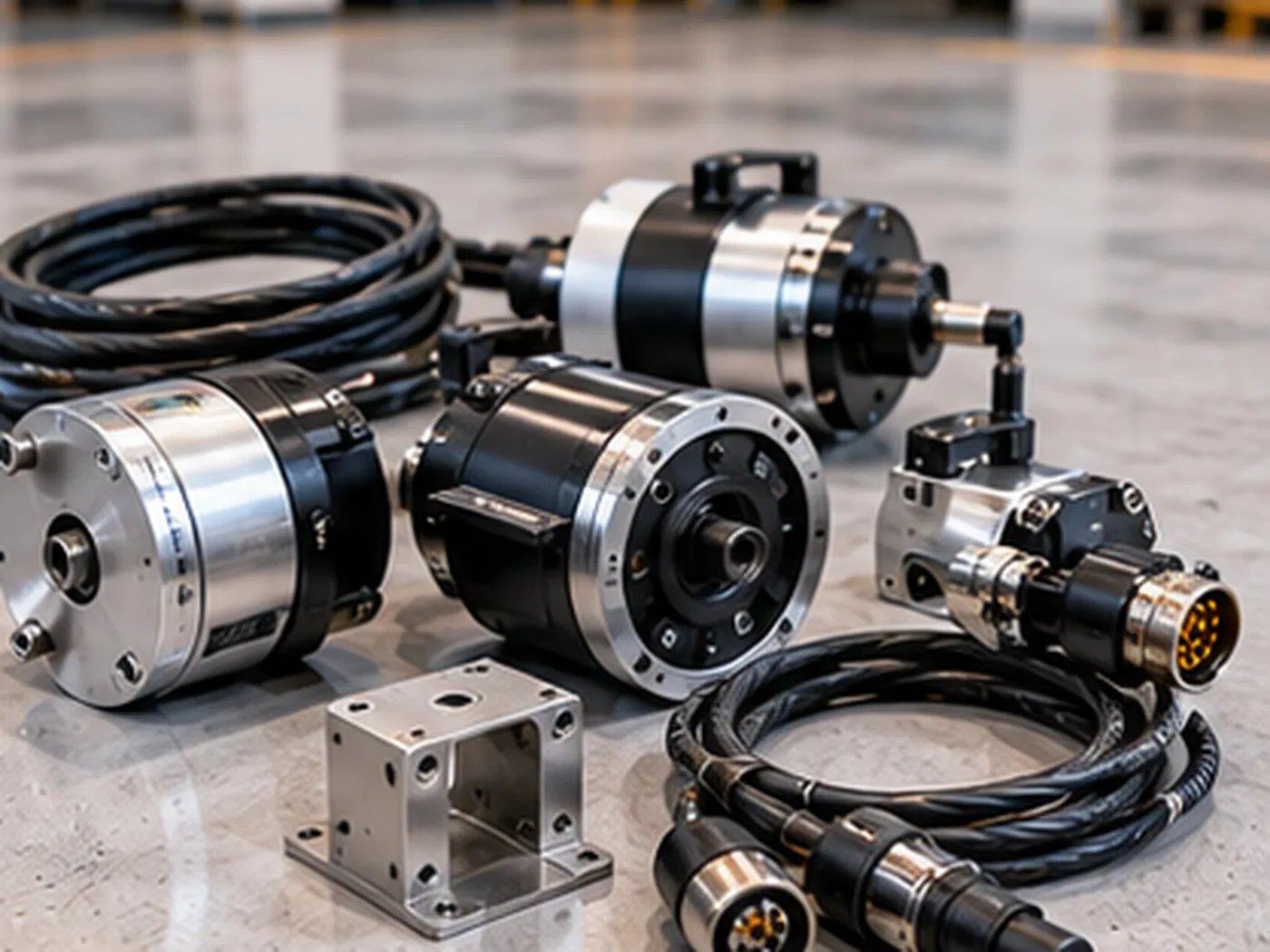
Send enough information to identify the encoder properly
A model label and system details are more useful than a message that only says “need lift encoder.”
Send a sharp, straight photo with the complete model information visible.
These help show the physical design, cable and mounting arrangement.
Include the motor or machine model/nameplate where safely accessible.
Send the drive model and relevant feedback interface details where known.
Controller identification helps establish the complete elevator control arrangement.
Include displayed fault codes and explain when the problem occurs.
Keep the enquiry with the correct component family
Elevator encoder FAQ
Short answers for repair and replacement enquiries.
What is an elevator encoder?
An elevator encoder is a feedback device used to measure movement such as motor speed, direction or position-related information. The exact role depends on the elevator system and encoder type.
Can I replace an encoder with another one that looks the same?
Appearance is not enough. The model, electrical interface, resolution, connector, wiring, shaft or mounting arrangement and drive/controller compatibility need to match the application.
Does an encoder fault always mean the encoder is damaged?
No. Encoder-related faults can also involve wiring, connectors, signal direction, grounding, configuration or another part of the motor and control system. Diagnosis should come before replacement.
What should I send for an elevator encoder quotation in Bangladesh?
Send the complete encoder label, clear photos from several angles, motor or traction-machine details, drive/controller information, connector photos and the exact fault or symptom.
Does encoder resolution matter?
Yes. The required feedback specification must correspond to the drive and control system. Do not substitute a different resolution only because the encoder fits physically.
Can encoder wiring cause a lift fault?
Yes. Damaged or incorrect wiring, poor connections and feedback direction or configuration issues can produce encoder-related faults. The relevant system documentation should guide diagnosis.
Can an encoder be changed during elevator modernization?
An encoder may need to be retained or replaced as part of a drive, motor or control modernization. The decision depends on the new equipment's feedback requirements and compatibility with the traction system.
Need an elevator encoder replacement?
Send the existing encoder model, clear label and connector photos, motor or machine details, drive/controller information and the fault description. The technical requirement can then be reviewed before a replacement is quoted.