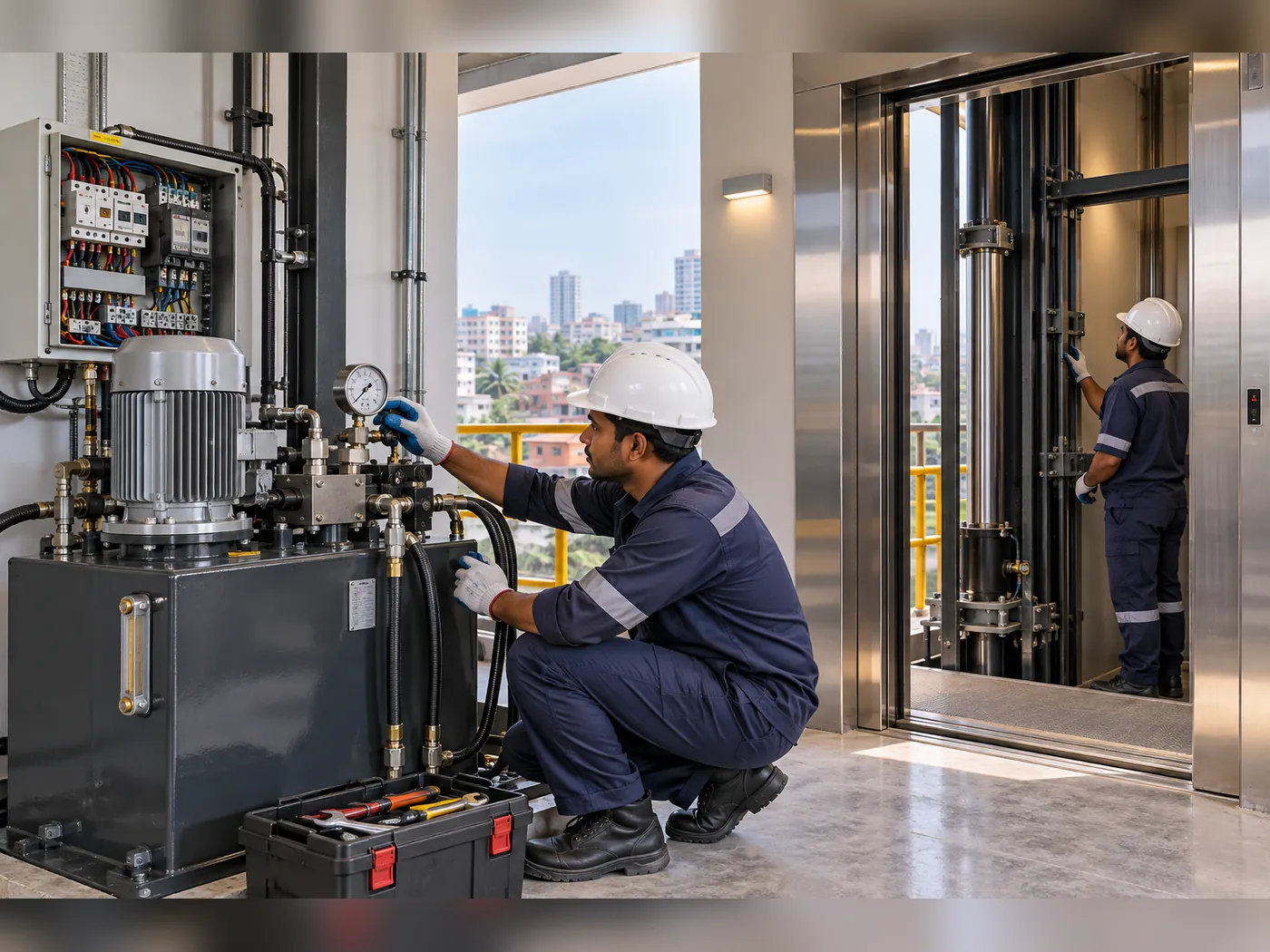
Preventive service
Check for leaks, changes in floor levelling, unusual pump noise and signs of heat or wear. Keep the machine space clean and easy to reach.
- Fluid and fittings
- Valve and pump operation
- Doors, controls and landings

A hydraulic lift uses fluid pressure to raise the car. It may suit a low-rise building or a project with special load needs. Share the floors, load and shaft details so the drive system can be checked against your building.
A hydraulic elevator uses a powered pump to move fluid into a cylinder. Pressure acts on a piston or jack and lifts the car. Controlled fluid flow lets it move down.
Hydraulic drive is often considered for low-rise buildings and certain heavy-load tasks. The car may be made for passengers or goods, depending on the product. It is the complete lift design—not the drive name—that sets the approved use.
Compared with many traction systems, hydraulic lifts tend to move more slowly and use more power for upward travel. For a tall building or a busy lift, ask for a traction option as well. A sound choice starts with the traffic and the site.
The main parts are the pump, fluid tank, control valves and lifting jack. Their position depends on the model.
Exact rescue features, drive arrangements and speed limits must be checked in the model specification.
Two buildings with the same number of floors may need different lift systems. A clinic with light daily traffic is not the same as a busy office, nor is a small goods platform the same as a passenger car. Review the work the lift must do and the space around it.
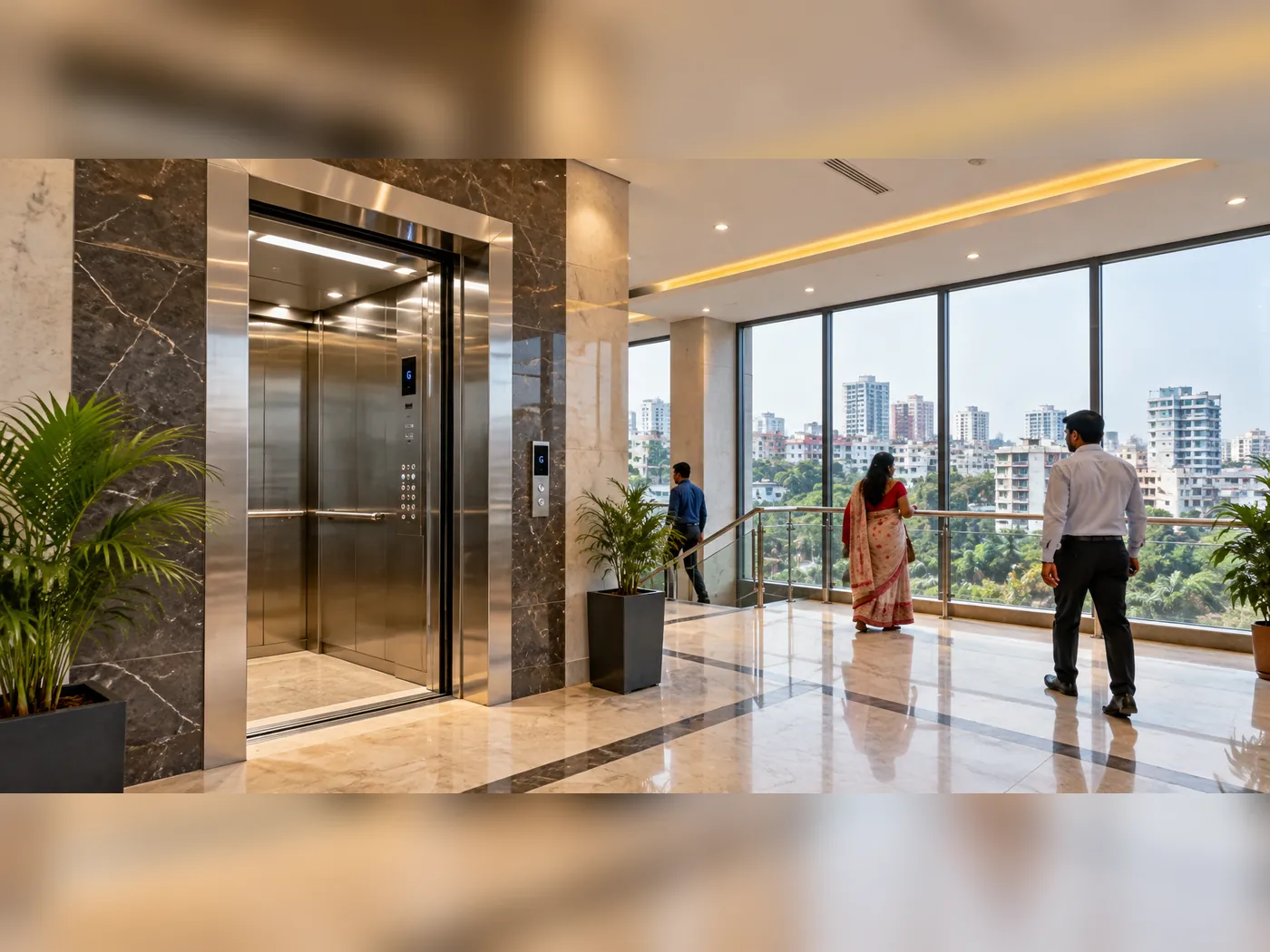
Ask for a traction lift proposal when travel is long, traffic is heavy or energy use is a major concern. Check both options against the actual site and expected lift trips.
Hydraulic layouts also differ. Some need a separate space for the pump and controls; other models have a more compact arrangement.
These points help make a supplier quote useful. No capacity, speed or shaft size should be taken from a generic brochure without checking the actual model.
A hydraulic passenger lift and a hydraulic goods lift need different car, door and safety specifications. Describe the load clearly when you request a quote.
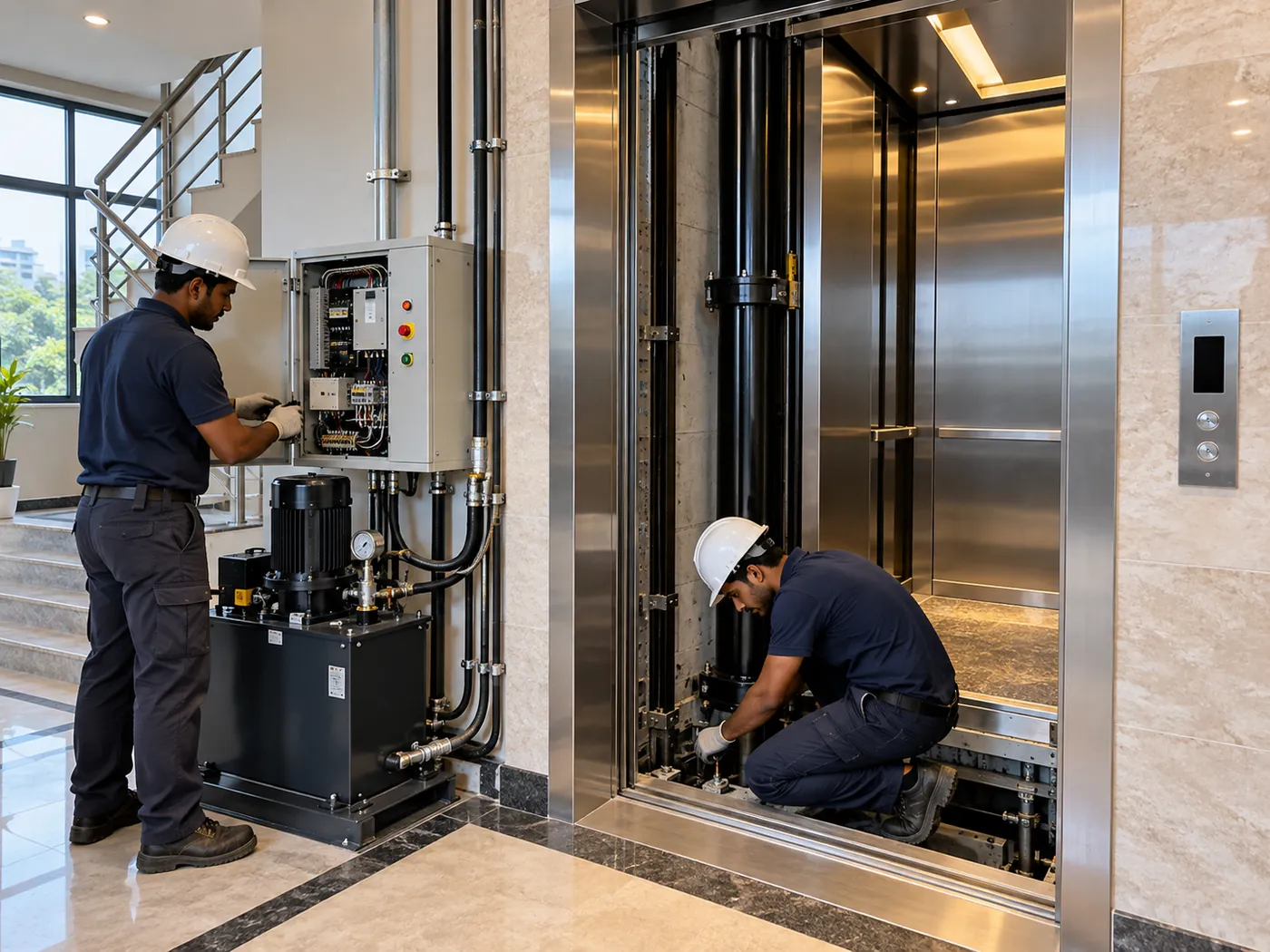
Hydraulic equipment needs room for its lifting system, power unit and service work. Late changes to the pit, openings or electrical routes can add work. Send a plan early, even if the building is still under design.
The doors, controls and landing levels still need routine checks. A hydraulic lift also has a pump, valves, fluid, seals and a jack. Service tasks and timing must follow the installed system.
Check for leaks, changes in floor levelling, unusual pump noise and signs of heat or wear. Keep the machine space clean and easy to reach.
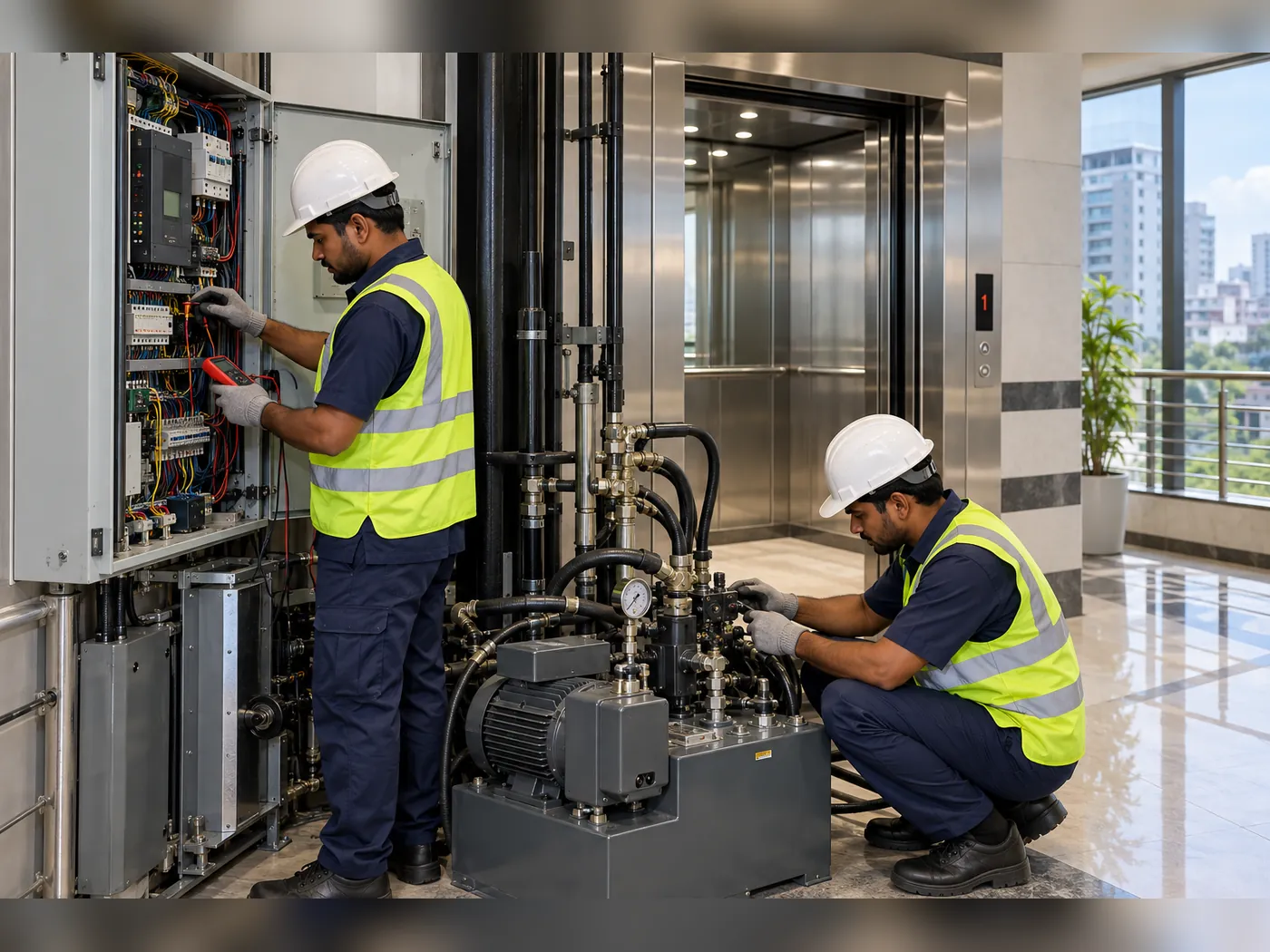
Do not force doors, bypass safety devices or keep using a lift that may be unsafe. Note the floor, fault indication, load and symptom. Have a qualified technician inspect it before normal use resumes.
For regular upkeep beyond this product page, see lift maintenance and servicing.
Two hydraulic lift quotes can differ because the equipment and site work are different. Check what each quote includes before comparing the totals.
Send the floor plan, lift use, load and shaft details. Ask whether the price covers delivery, civil and electrical work, testing, tax, warranty terms and later service.
It can be. Hydraulic lifts are often used for low-rise travel. The right choice depends on total rise, number of stops, traffic, load, shaft space and the limits of the chosen model.
Hydraulic drive can be used in passenger and goods lift designs. A goods-only unit must not carry passengers unless its intended design and approval allow it. Confirm the model's stated use.
No. Some use a separate equipment room or cabinet, while certain models have compact or machine-room-less arrangements. Check the pump, control and service access space on the final drawing.
There is no single price answer. Equipment, building work, energy use, travel and upkeep can change the total cost. Compare written offers for the same duty and site.
Check pump-room temperature, ventilation, fluid requirements and protection from water or flooding. The supplier should set the limits for the actual lift and building conditions.
Send the building location and use, number of stops, travel height, expected load, shaft measurements and a plan or photos. Mention any power or access limits.
Tell Dhaka Lift Solutions what the lift will carry, how many floors it must serve and the space you have. That is enough to start a technical review and discuss the next step.