Lift use
Passenger, hospital/bed, goods or another clearly defined application.

Tender • BOQ • Technical Specification
Prepare a clearer elevator tender before asking suppliers to quote. We support lift BOQ planning, technical specifications, scope definition and project requirements for procurement in Bangladesh.
Quick answer
What should a lift tender clearly define?A useful lift tender should tell bidders what elevator is needed, what performance is expected, what work is included, what documents must be submitted and how compliance will be checked.
The BOQ and technical specification should work together. If the BOQ says only “supply one lift” while the specification leaves capacity, stops, speed, doors, control, installation, testing and handover unclear, quotations can be difficult to compare.
Tender structure
A tender document is easier to use when commercial quantities and technical requirements are connected. The exact structure depends on the procuring entity and procurement method, but the lift package should leave as little technical ambiguity as practical.
Building use, lift purpose, number of units, floors served and key project constraints.
Capacity, stops, travel, speed, doors, drive/control arrangement and other project-specific performance requirements.
Clearly structured items that allow the required supply, installation and related work to be priced.
State what the lift contractor supplies and what remains under civil, electrical or other project packages.
Identify the drawings, technical documents, testing, commissioning and handover information required by the project.

BOQ planning
A BOQ is useful only when bidders understand what each item includes. Separate or define major scope areas where the project needs separate pricing, evaluation or responsibility.
Technical schedule
The exact schedule changes by project. These are practical technical headings to consider, not a universal specification or a substitute for the tender's approved requirements.
Passenger, hospital/bed, goods or another clearly defined application.
State the required passenger or kilogram capacity for the project.
Define floors served, number of stops and relevant travel information.
Specify the required performance rather than leaving speed to assumption.
Define required usable dimensions or project constraints where relevant.
State opening arrangement and required clear opening where the project requires it.
Set performance and system requirements at the level needed for fair technical evaluation.
Include project and applicable compliance requirements without inventing unsupported certifications.
Define essential car, landing, button and finish requirements where they affect price or project quality.
Better tender comparison
A specification should help the project compare offers on a common basis. Important requirements should not be hidden in vague wording.
State what the project actually needs.
Ask the bidder to identify the proposed technical solution clearly.
Request the tender-specific documents needed to support the offered solution.
Make technical differences visible rather than allowing silent substitutions.
Whole-life planning
The elevator will need inspection, servicing and spare parts after commissioning. Tender planning can therefore consider maintainability, service obligations, warranty terms, documentation and parts support where these are relevant to the project.
The aim is not to make every tender longer. It is to make important responsibilities clear before bidders price the work.

Before issue
Before issuing a tender, check whether the documents tell bidders enough to understand the project and submit comparable technical and commercial offers.
The intended use and number of elevators are stated without ambiguity.
Capacity, stops, speed and other key requirements are stated where needed.
Available shaft, floor and building information agrees with the tender drawings and schedules.
Civil, electrical and lift-contractor interfaces are not left to guesswork.
Price items and technical requirements describe the same intended package.
Tender-specific catalogues, schedules, drawings or authorizations are requested where required.
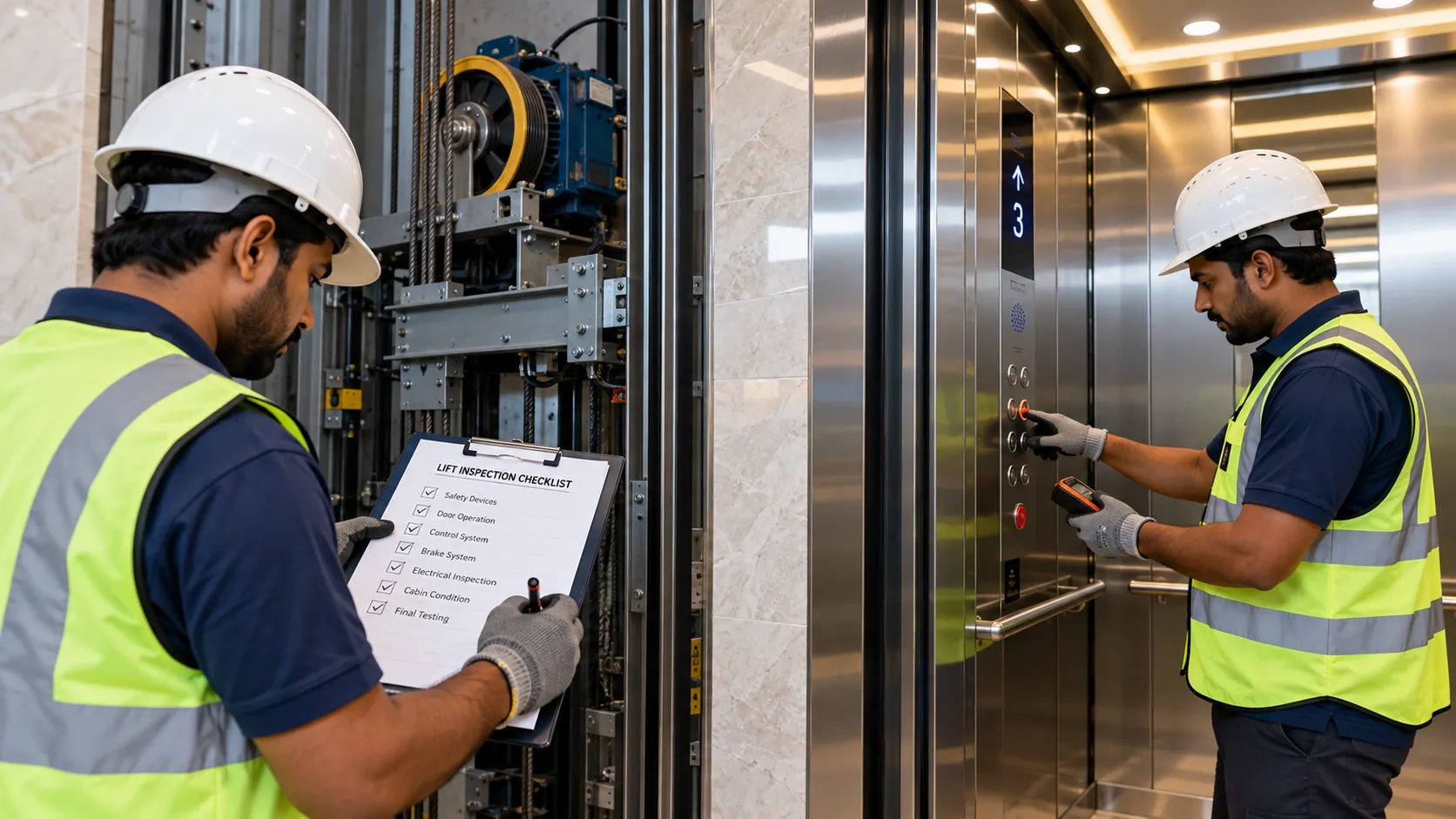
Required testing, commissioning and handover responsibilities are clear.
Important inclusions and exclusions are clear enough to reduce hidden pricing differences.
Avoid procurement gaps
Two prices are not directly comparable when one bidder includes equipment, installation, accessories, commissioning and handover work that another bidder has excluded.
Clear tender documents help expose those differences before award rather than during installation.
Tender-specific legal, procurement and eligibility requirements should always be checked against the current official tender documents.
Support process
The work starts with the building and procurement need—not with a generic specification copied from an unrelated project.
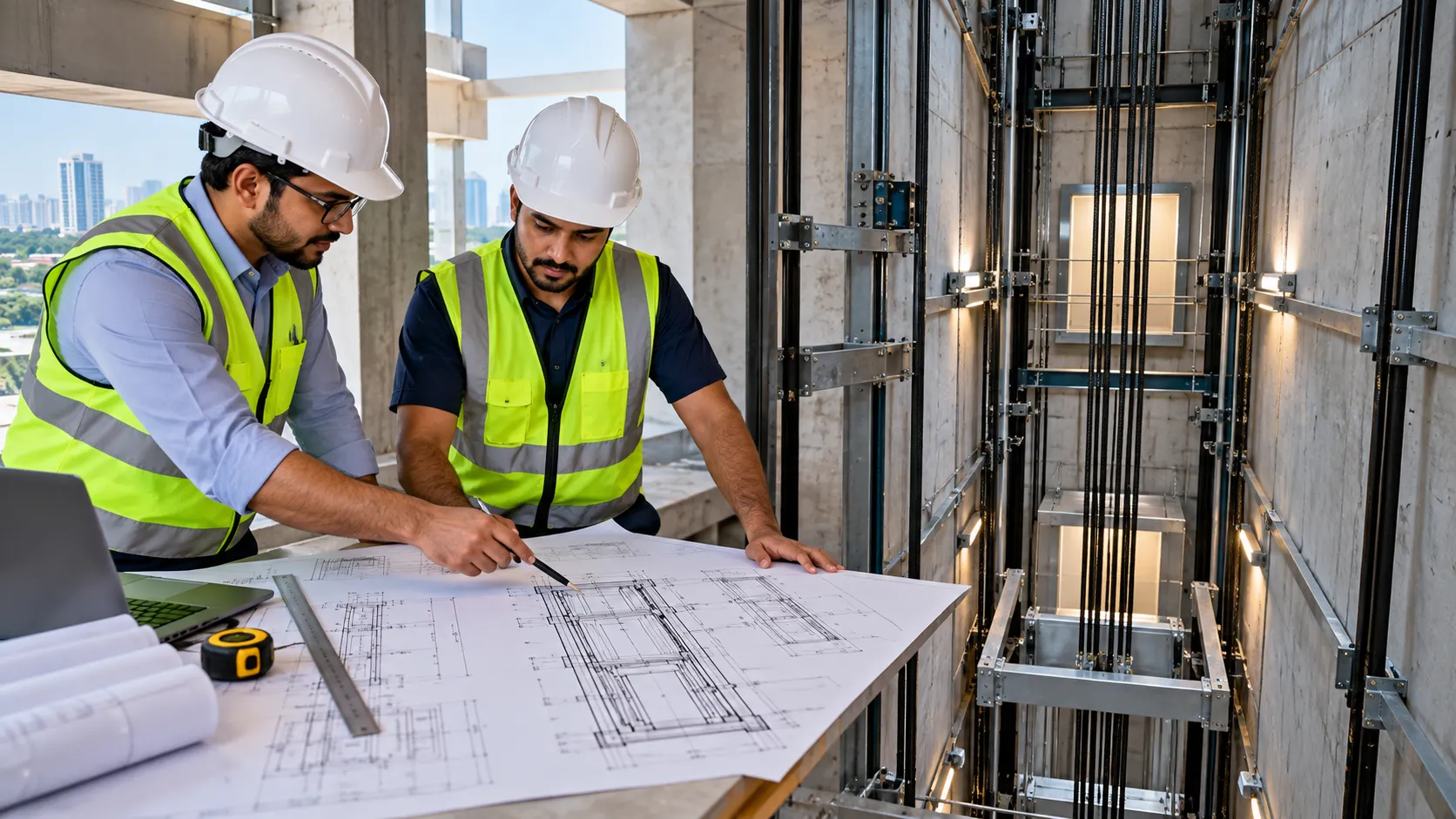
Review building use, floor information, drawings and procurement scope.
Establish the technical parameters needed for the intended application.
Arrange price items around the actual supply and work scope.
Review civil, electrical, installation and handover boundaries.
Check that drawings, BOQ and technical requirements tell the same story.
Bangladesh procurement context
A hospital bed lift package may focus on different car dimensions, operational needs and interfaces than a passenger lift for an office or apartment project.
Public procurement can also include tender-specific eligibility, documentation and submission conditions. These should be taken from the current official tender documents rather than copied from an older tender.
For e-GP or PWD-related procurement, confirm the current notice, TDS, technical sections, forms, amendments and other official tender documents applicable to that exact package.
Scope of support
Keep technical preparation and procurement authority clear. The project owner or authorized procurement team remains responsible for its official tender process, approvals and final procurement decisions.
Tender questions
Exact procurement requirements vary by project. Use the official tender documents for tender-specific legal, eligibility and submission rules.
It can define the required lift application, capacity, stops, speed, doors, control and drive requirements, finishes, safety functions, installation scope, testing, commissioning and required technical submittals. The exact content depends on the project.
A lift BOQ or price schedule organizes the elevator package into items that bidders can price. It should align with the technical specification and clearly reflect the intended supply and work scope.
It is better to adapt the BOQ to the actual project. Capacity, floors, building use, installation conditions, equipment arrangement and procurement requirements can differ significantly.
Technical information can be prepared or reviewed around the project requirement. Official e-GP forms, eligibility, deadlines, contractual conditions and submission rules should be taken from the current tender package and relevant official procurement requirements.
Useful starting information includes architectural drawings, available shaft dimensions, building use, number of floors, intended lift type, capacity requirement if known, project scope and any existing procurement or employer requirements.
Where relevant, the tender can define warranty, service obligations, maintenance expectations, documentation and parts-support requirements so bidders understand what is expected after commissioning.
Share the building drawings, lift requirement and available procurement information. Dhaka Lift Solutions can review the technical scope and help structure the elevator requirements before quotation or tender issue.