Lift moves normally
The car and counterweight remain within their designed travel range.

Need a replacement lift buffer? Start with the installed elevator, not only the shape of the old part. Buffer type, rated speed, impact mass range, stroke, mounting and pit arrangement all matter.
An elevator buffer is a safety component at the lower end of the lift shaft. If the car or counterweight moves beyond its normal lowest stopping position, the buffer is designed to absorb or dissipate the remaining movement energy and help bring it to a controlled stop.

Two elevator buffers can look similar but have different operating limits. The correct unit depends on the lift design and the job the buffer must perform.
For an existing elevator, start with the original buffer data, lift documentation and site condition where these are available. Check how the buffer is mounted and whether it serves the car, counterweight or another approved arrangement.
It is not intended to act during normal floor stopping. Its role is at the lower end of travel when abnormal overtravel reaches the buffer position.
The car and counterweight remain within their designed travel range.
The moving equipment travels beyond its normal lower stopping position.
The relevant strike point reaches the correctly positioned pit buffer.
The buffer absorbs or dissipates energy according to its approved design.
Elevator systems use different buffer principles. The correct type depends on the selected lift design and verified technical requirements.
This type stores impact energy through deformation or compression. Polyurethane and spring arrangements are common examples in suitable elevator designs.
A hydraulic or oil buffer dissipates energy through controlled movement of a plunger and hydraulic fluid. The required stroke and operating range depend on the specific buffer and lift design.
The buffer must work with the elevator's actual car or counterweight strike position. Its base, height, alignment and surrounding clearances form part of the installation.
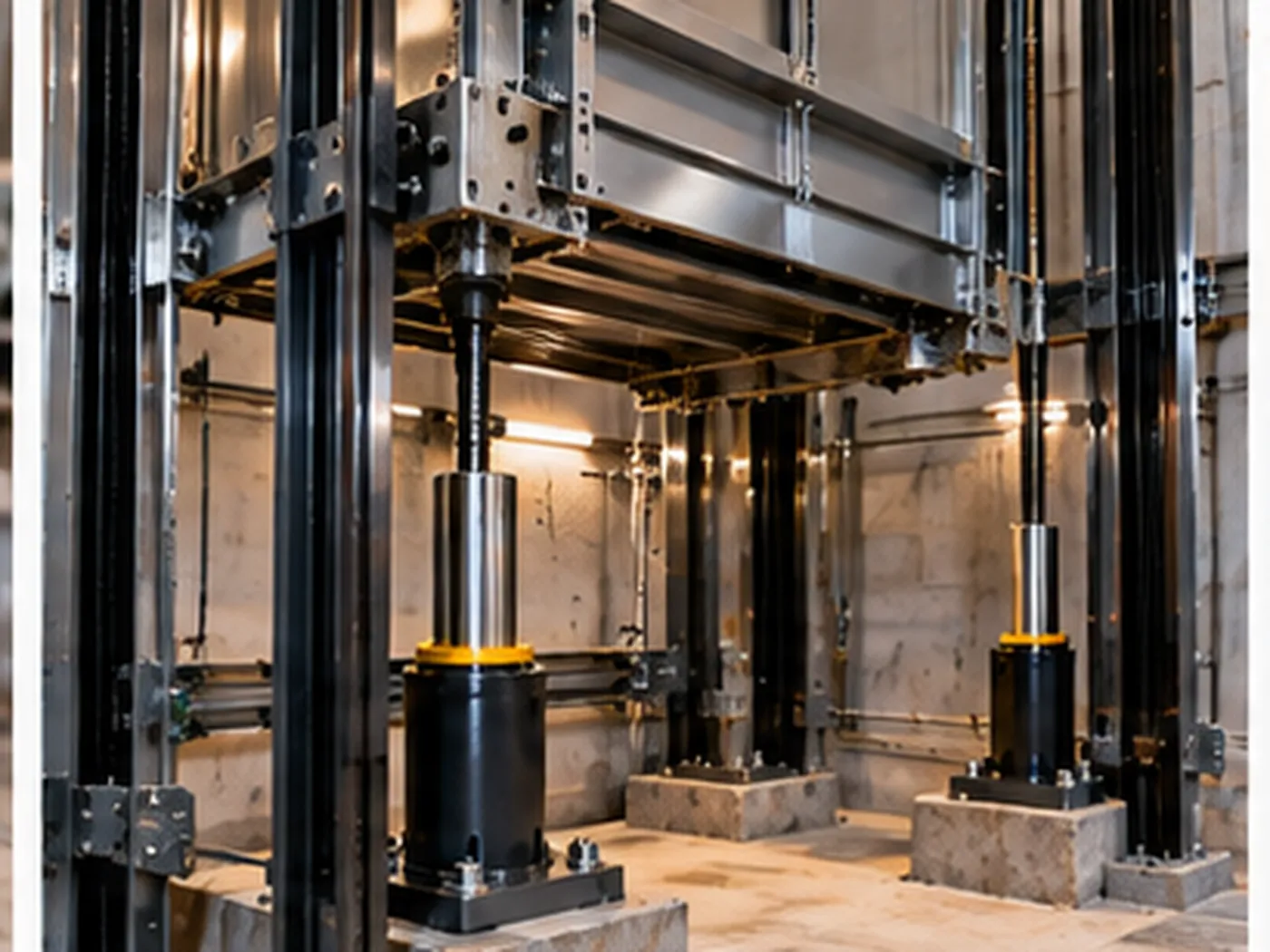
A useful elevator buffer enquiry includes the system information needed to assess compatibility. Do not treat height or outside diameter as the complete specification.
Confirm whether the existing design calls for a hydraulic, polyurethane, spring or another specified buffer arrangement.
Buffer requirements are linked to the elevator's designed operating conditions. Use verified project data.
The selected buffer must be suitable for the mass conditions defined by the elevator design and component specification.
Hydraulic and other buffer designs have specific movement characteristics. Never substitute an arbitrary stroke.
Check extended height, compressed condition and mounting dimensions against the actual pit arrangement.
Base plate, bolts, pedestal and support details must suit the installed design.
Identify exactly which moving component the buffer protects and how contact occurs.
Send the old component's readable markings or technical documents where available.

Inspection depends on the buffer design. The component and its mounting should be reviewed as part of the elevator's safety-related pit equipment.

The old component should be assessed in its installed context. A new buffer alone may not solve problems caused by a damaged base, incorrect alignment or unsuitable mounting.
Send verified information where possible. If you do not know a technical value, send clear photos and project documents rather than guessing.
Cannot identify the old buffer?
Send several clear photographs, including the whole pit arrangement and any readable component markings.
A fixed price is not useful until the required component is identified. Different buffer designs and replacement scopes have different costs.
Buffers are normally installed at the lower end of the elevator shaft in the pit, positioned for the car, counterweight or other arrangement specified by the elevator design.
Its purpose is to absorb or dissipate energy and help bring the car or counterweight to a controlled stop if it moves beyond its normal lower travel limit and reaches the buffer.
No. They use different operating principles. A polyurethane buffer stores energy through material deformation, while a hydraulic buffer dissipates energy through controlled plunger and fluid movement.
Do not make that substitution without technical verification. Buffer type must suit the elevator's approved design, speed, impact conditions, mounting and required performance.
Use the original component information and elevator documentation where available. Confirm buffer type, lift speed, application, required operating range, dimensions, stroke and mounting. Clear photos of the existing installation are also useful.
Visible leakage, corrosion, physical damage, damaged mounting, abnormal plunger condition or a failed inspection should be investigated by competent elevator personnel.
Yes. Water and persistent moisture can contribute to corrosion and poor pit conditions. The source of water should be addressed and affected elevator equipment inspected.
Cost depends on the required buffer design, operating range, stroke, dimensions, quantity, mounting components and whether the job is component supply only or includes technical replacement work.
Share the available lift specification, clear component photos and the complete pit arrangement. This gives the technical team useful information without relying on visual similarity alone.