01
Rope diameter
Confirm the specified nominal diameter. Do not rely only on an informal measurement of a worn rope.

Looking for replacement elevator wire rope? Start with the existing rope specification and suspension arrangement. Diameter matters, but so do rope construction, application, sheave condition and termination.
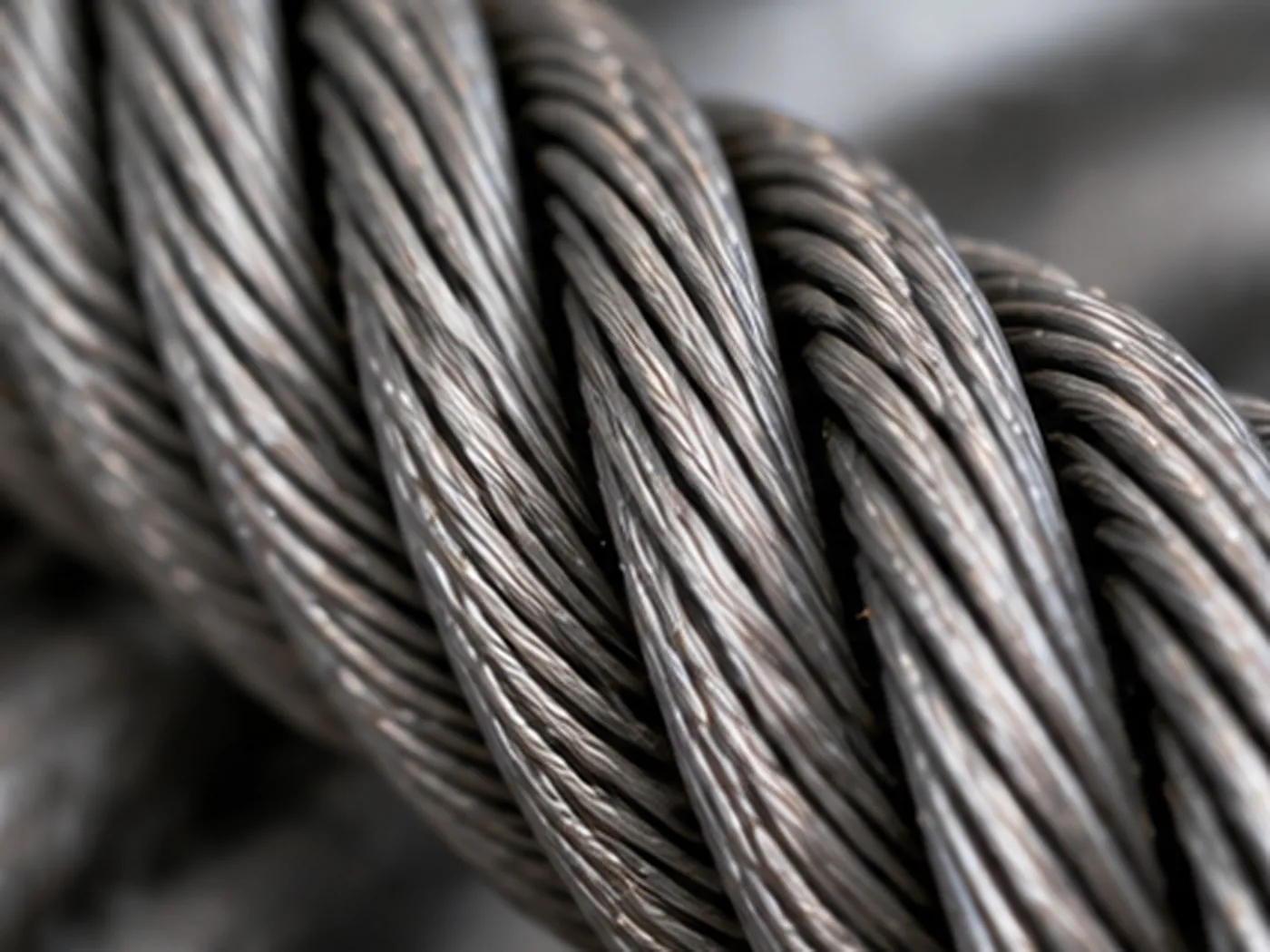
Steel wire ropes used in elevator systems are engineered components. Two ropes can look similar from a distance and still differ in construction, core, tensile characteristics or intended application.
For a replacement enquiry, record the existing rope markings or documentation where available. The elevator's suspension arrangement, traction system and termination details also need to be considered.
A suitable replacement depends on the elevator design. The final specification should be checked against the installed system rather than choosing a generic coil of steel rope.
Confirm the specified nominal diameter. Do not rely only on an informal measurement of a worn rope.
Strand arrangement and rope construction influence how the rope behaves and should match the intended elevator application.
Elevator ropes can use different core arrangements. The required type comes from the rope and elevator specification.
The required rope strength is a design matter. Use the specified rope grade and required performance rather than substituting an unverified product.
The rope works together with the traction sheave. Rope and groove condition should be considered during replacement assessment.
Document rope ends, suspension rods, sockets and related hardware used by the existing installation.
The rope does not work in isolation. In a traction elevator, it interacts mechanically with the traction machine, sheaves, suspension hardware and moving elevator equipment.
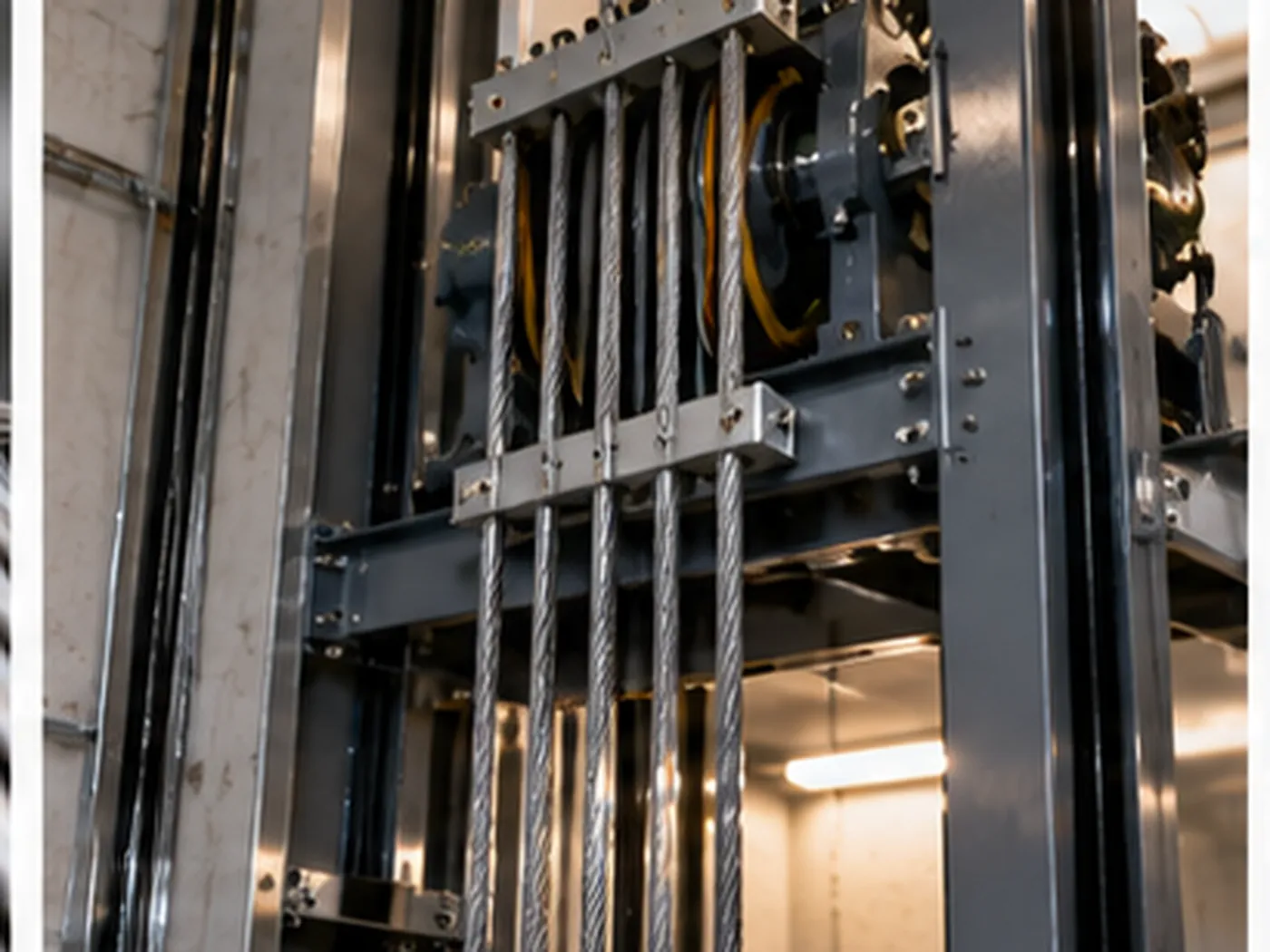
The most useful enquiry is not simply “I need lift rope.” A few project details make it much easier to identify what should be assessed for replacement.
Start with original documentation, rope identification or verified elevator technical information where available.
Explain the lift type and existing suspension arrangement so the application is understood.
Length should come from the actual project requirement and replacement plan rather than a rough assumption.
Record the complete suspension set and do not assume a single rope represents the whole replacement requirement.
Existing traction and deflection sheaves should be considered because groove condition can affect new rope performance.
Photograph the existing rope ends and related suspension fittings so the complete arrangement can be reviewed.
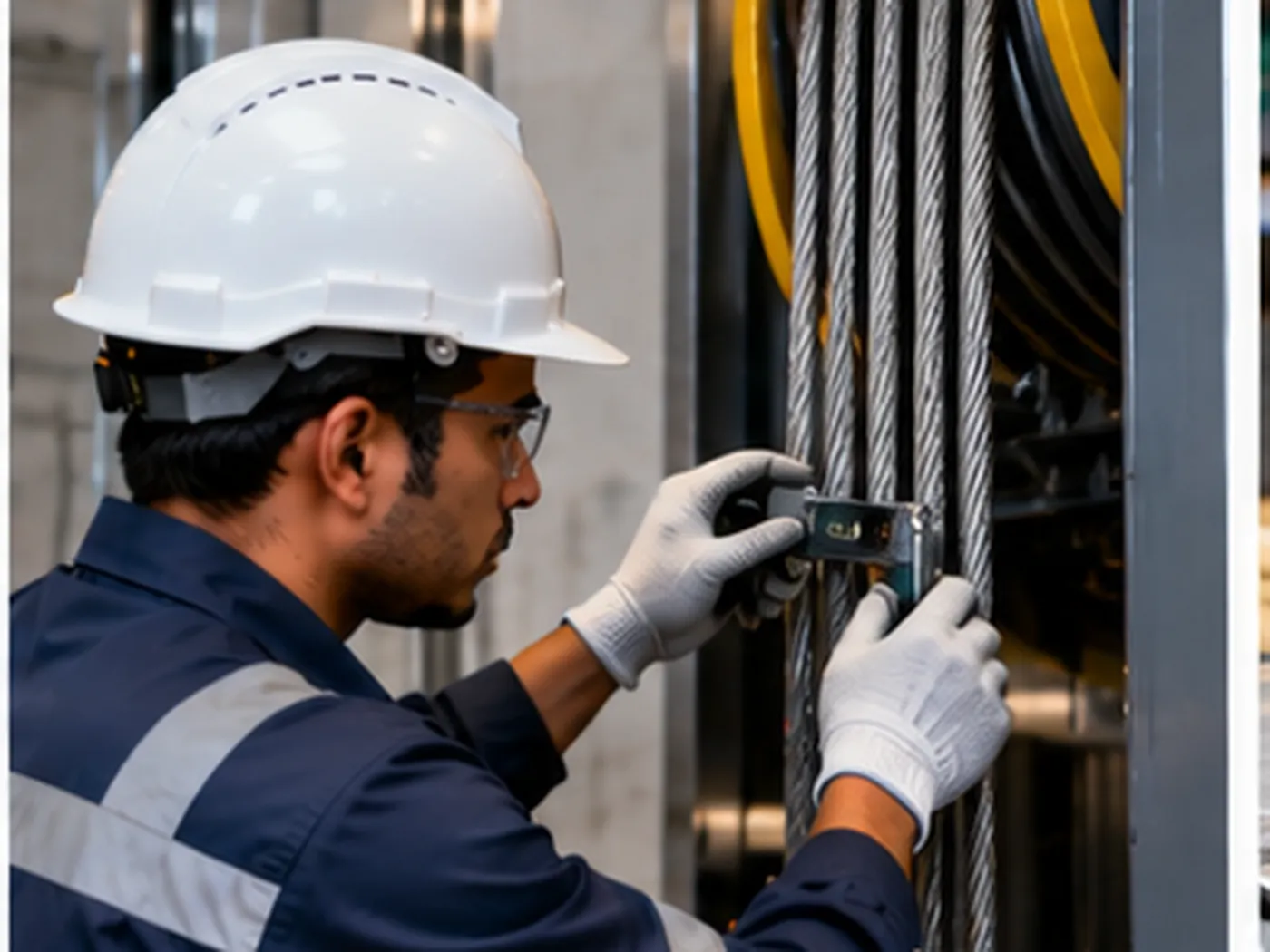
Wire-rope condition has to be assessed on the actual installation. Inspection should consider the complete rope set and associated traction/suspension components rather than waiting for an obvious failure.
Changing suspension rope is more than purchasing material by the metre. The job starts with identification and inspection and finishes with installation checks and testing appropriate to the elevator.
Confirm the elevator, rope specification, suspension arrangement and required scope.
Review existing ropes, sheaves, terminations and related suspension components.
Determine the replacement requirement from verified system information.
Carry out rope and related component work using appropriate elevator procedures.
Complete relevant tension, alignment, operation and post-work inspection checks.
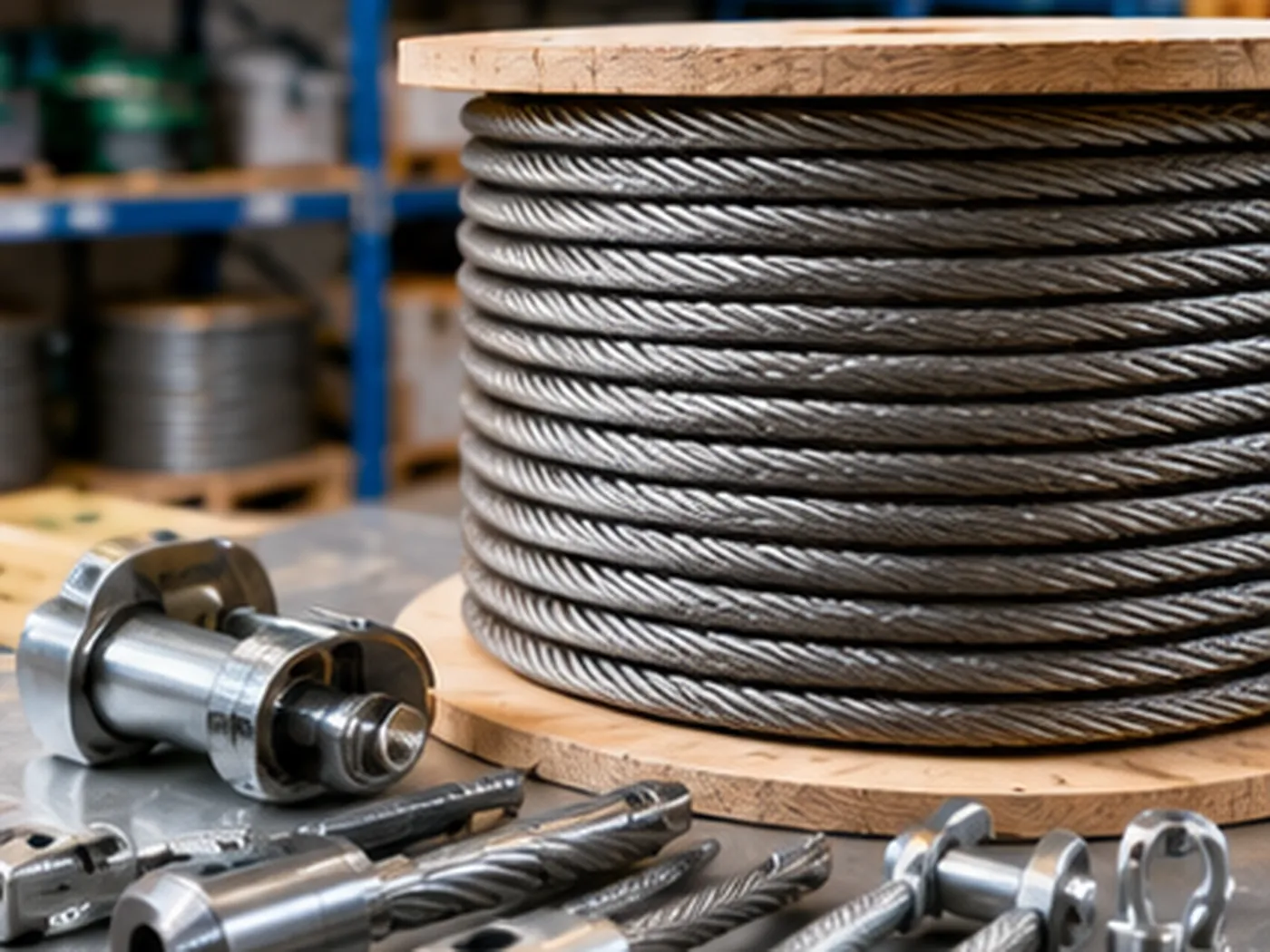
The replacement scope may involve more than steel rope. The existing elevator should be inspected to determine which related components need attention rather than automatically replacing or reusing every item.
Clear information reduces guesswork. If an exact specification is not available, send photographs and project details rather than choosing a rope only from an online picture.
Not sure about the rope construction?
Send clear close-up and installed-context photographs instead of guessing the specification.
There is no useful universal price for every elevator rope because the required product and work scope vary by installation.
In applicable traction elevator designs, steel wire ropes form part of the suspension system connecting and supporting moving elevator equipment through the designed traction and sheave arrangement.
No. Diameter is one identification point. Rope construction, core, strength requirements, application, sheave compatibility and the elevator design also need to be considered.
Check available elevator documentation and any verified rope specification first. Record the nominal diameter, construction and other known details, and send clear photos of the rope, sheave and terminations.
Replacement should be based on inspection against the requirements applicable to the installed elevator and rope, not on a generic age or mileage figure. A competent elevator technician should assess the actual rope set and related components.
Yes. The ropes operate as a set in the suspension system, so inspection should consider their collective condition, tension and interaction with the sheaves and terminations.
Yes. The rope and sheave work together. Sheave and groove condition should be considered during a replacement assessment because installing new rope does not correct an underlying sheave problem.
Price depends on the confirmed rope specification, diameter, construction, total required length, number of ropes, related hardware and whether the requirement is supply only or includes technical replacement work.
Send clear photos of the rope, any identification or documentation, traction sheave, installed suspension arrangement and rope-end terminations. Include the elevator type and the reason for replacement.
Share the available specification, elevator details and clear photographs so the requirement can be reviewed without relying on appearance or diameter alone.