What is an elevator COP?
COP means Car Operating Panel. It is the passenger interface inside the elevator car and normally contains floor-selection buttons plus relevant car functions and indicators according to the lift design.

Need a replacement car operating panel or landing call panel? Send photos of the existing panel, controller information, dimensions and connection details so the required COP or LOP can be reviewed before quotation.
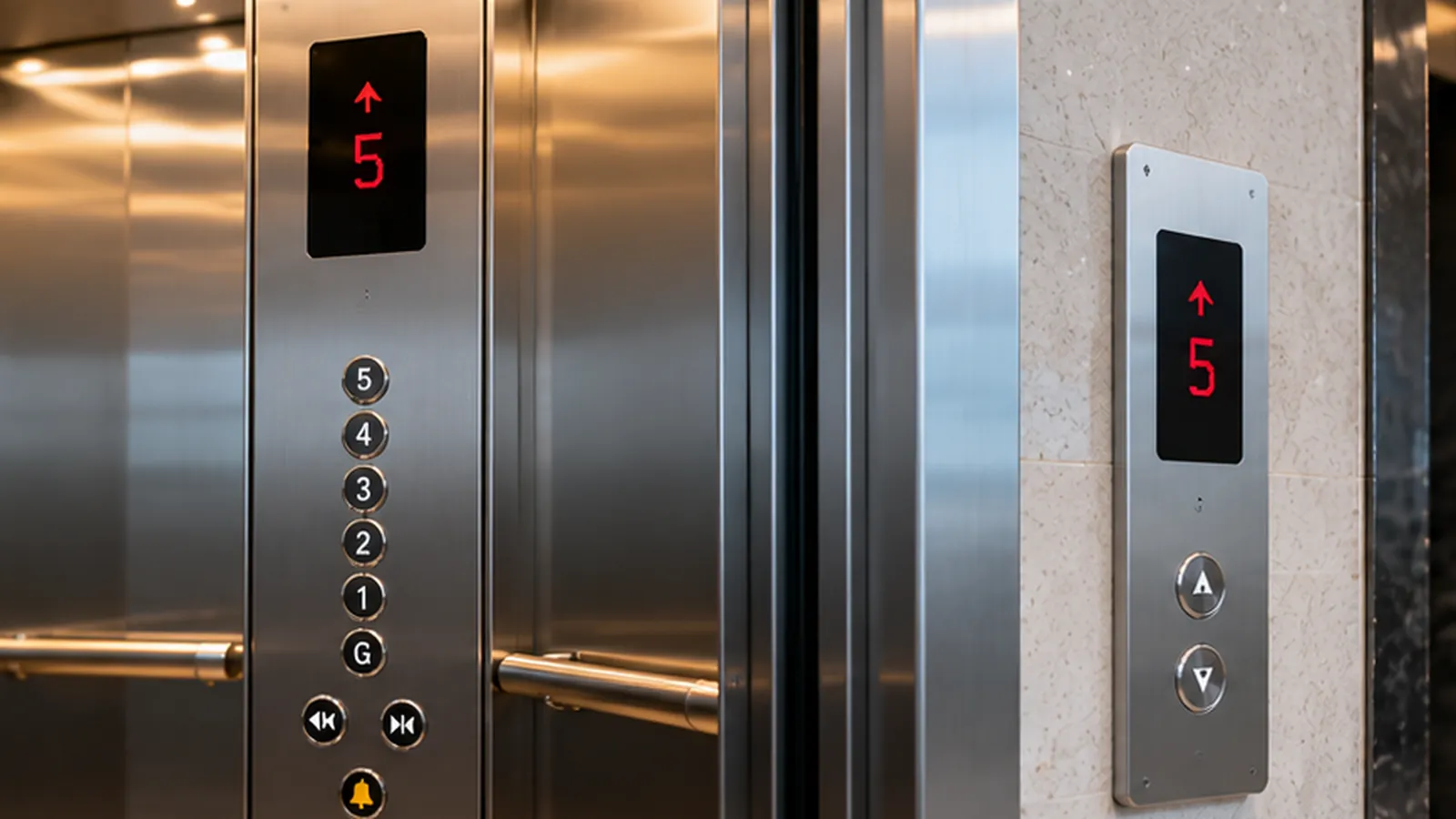
COP means Car Operating Panel. It is the passenger interface inside the elevator car and normally contains floor-selection buttons plus relevant car functions and indicators according to the lift design.
LOP means Landing Operating Panel. It is located at the floor landing and provides the call controls used before a passenger enters the elevator. It may also incorporate floor or direction indication.

The visible buttons are only part of the operating-panel assembly.
Behind the faceplate, the panel may contain button contacts, indication electronics, wiring, connectors, circuit boards and interface components. The exact arrangement depends on the installed elevator and controller system.
Passenger buttons send the requested floor command through the lift's control interface.
Door-open and door-close controls may be incorporated according to the existing elevator configuration.
Relevant emergency or communication controls may form part of the car operating panel, depending on the system.
The COP may incorporate a floor or direction display rather than using a completely separate indicator.
Identifying the panel correctly matters when requesting a complete assembly, faceplate, display, button board or other replacement part.
Installed inside the elevator cabin where passengers select their destination and use the available car functions.
Installed outside the lift at a landing so passengers can place an elevator call before entering the car.
A panel that physically fits the opening is not automatically an electrical or communication match.
Before replacing an operating panel, the existing controller, interface method, wiring, connectors, button arrangement and indication requirements should be identified. This is particularly important when a replacement is part of a modernization rather than a like-for-like repair.
A floor-selection or landing-call button is pressed.
The operating panel passes the relevant signal through its installed electrical/interface arrangement.
The elevator control system processes the request according to the system design and operating state.
Button illumination, floor information or direction indication may then be updated through the appropriate interface.
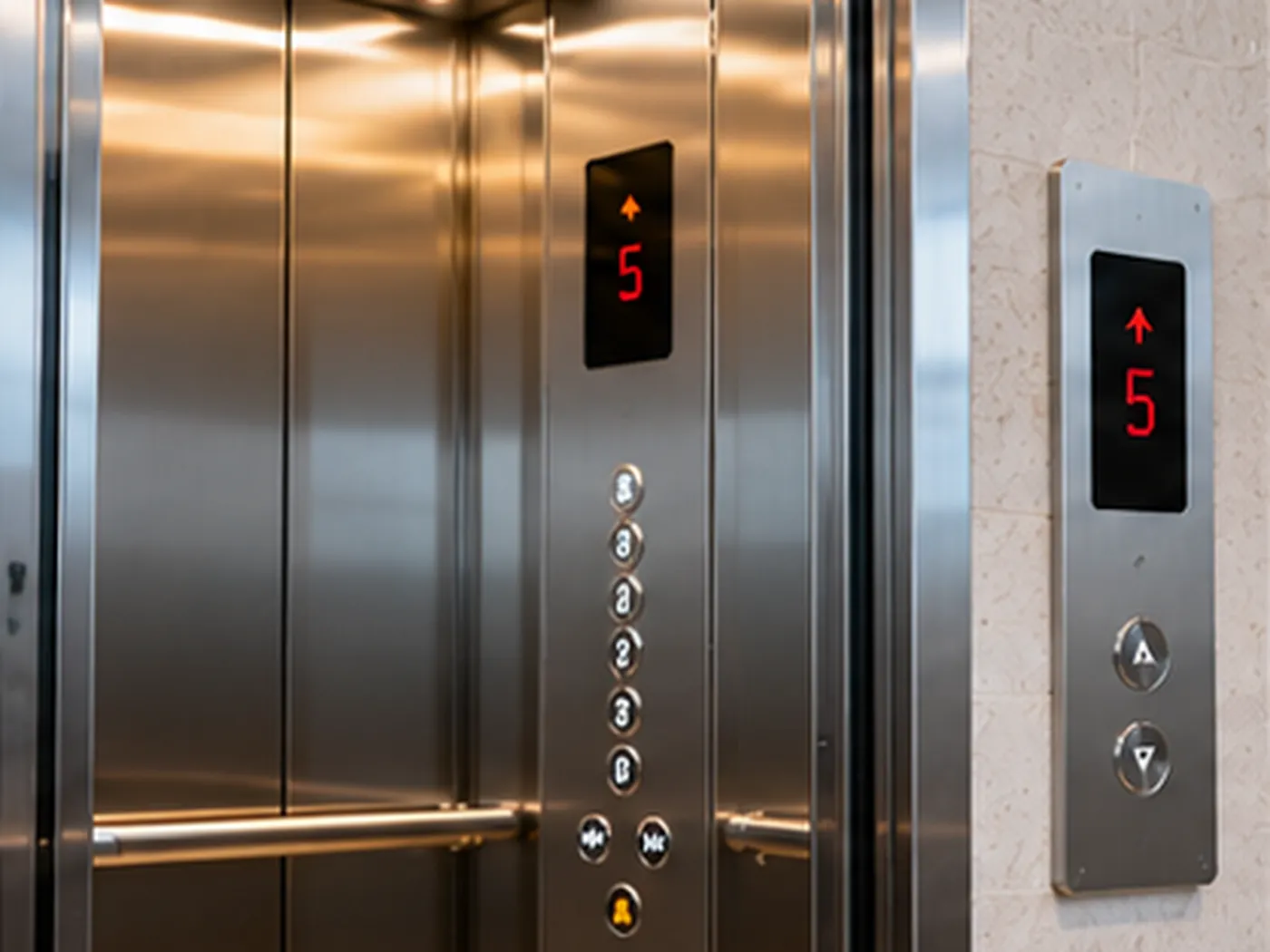
Clear information at the enquiry stage reduces guesswork and helps separate a complete-panel requirement from a smaller component replacement.

Start with the actual symptom and inspect the affected panel before deciding the replacement scope.
Depending on the fault and system design, the problem may be limited to a button, contact, display, board, connector, wiring or another internal component. Physical panel damage or a broader modernization requirement may justify replacing more of the assembly.
These symptoms help narrow the inspection. They do not by themselves prove which component has failed.
The individual button, contact, connection, board input or related wiring may require inspection.
Check common connections, panel electronics, power/interface conditions and controller communication as applicable.
A floor-specific LOP, button, connection or landing interface may need attention.
The indicator, its supply, wiring, interface board or incoming information may need diagnosis.
Illumination alone does not confirm that the command is reaching and being processed by the control system.
Record the faceplate dimensions, mounting arrangement and internal components before planning a complete-panel replacement.
The exact replacement scope depends on what is installed and what has failed. Availability and compatibility should be confirmed before quotation.
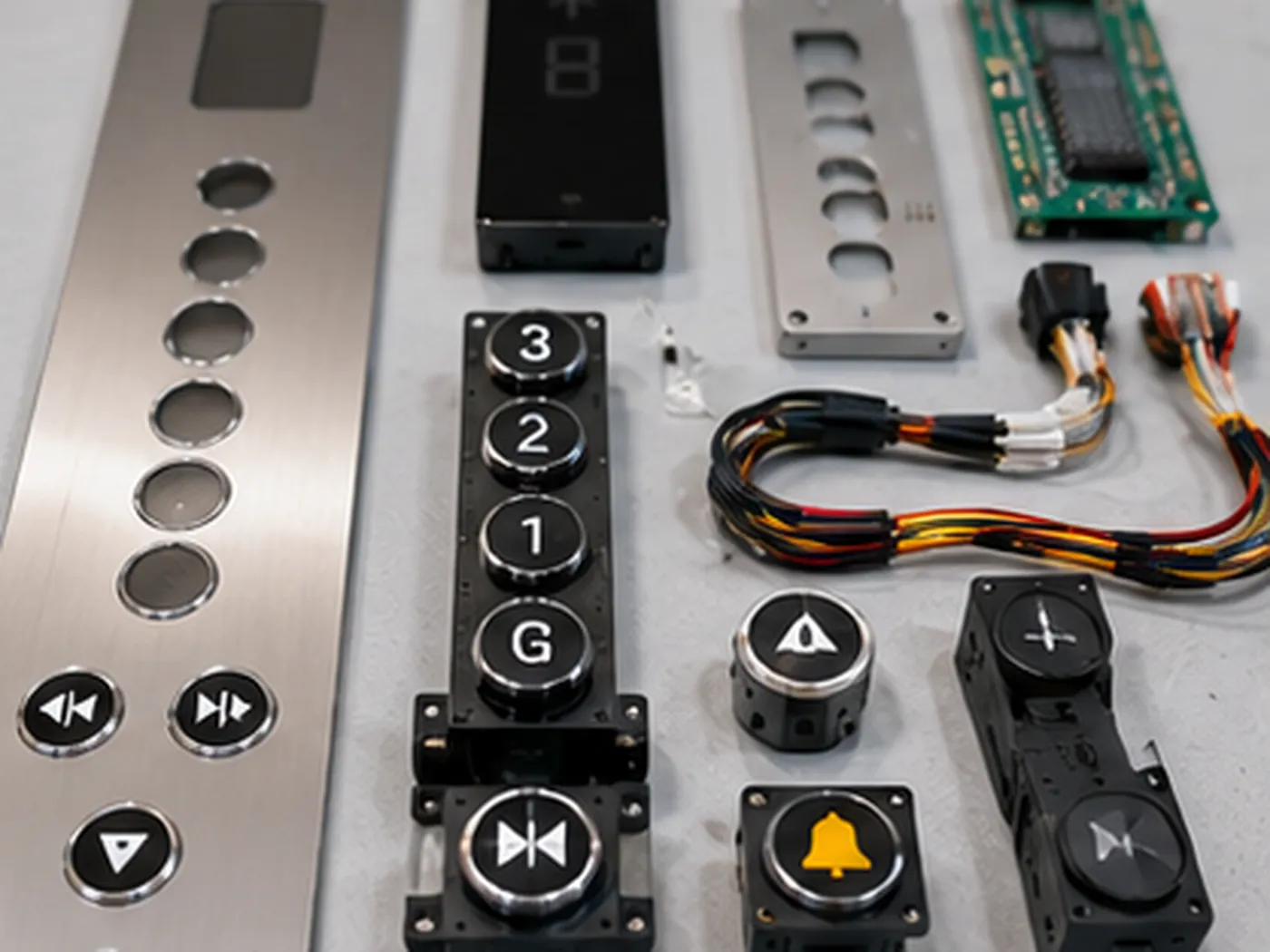
A useful quotation depends on knowing what must fit the existing elevator rather than quoting from the words “COP” or “LOP” alone.
COP and LOP panels have their own search intent; buttons and display indicators also have a dedicated component page.
Straight answers for repair, replacement and modernization enquiries in Bangladesh.
COP means Car Operating Panel and is located inside the elevator car. LOP means Landing Operating Panel and is located outside the lift at a floor landing. The COP normally provides destination and car-function controls, while the LOP provides the landing call interface.
Sometimes a fault may be limited to an individual button or related component, but this should be confirmed by inspection. The button type, contact arrangement, board and existing panel compatibility need to be checked before replacement.
No universal compatibility should be assumed. The controller, interface method, wiring, connectors, panel electronics and physical dimensions should be checked against the proposed panel.
Send clear front and rear photos, panel dimensions, controller information, required button arrangement, display requirement and the quantity needed. Also state whether the project is a repair, replacement or modernization.
Do not assume that every floor uses an identical arrangement. Terminal floors, intermediate floors and the installed control strategy can affect the landing-call configuration. Check the existing panels before ordering.
Operating panels can form part of a modernization scope, but the new panel must be planned around the controller/interface, required functions, mounting arrangement and the existing or new lift system.
Not automatically. First identify whether the problem is the display module itself, its power or wiring, an interface board or the information coming from the controller. The appropriate replacement scope depends on the diagnosis and parts compatibility.
Send the existing panel photos, dimensions, controller details and required quantity. The panel or component requirement can then be reviewed before repair, replacement or modernization options are discussed.