Lift Supply
Define the building use, floors, stops, shaft and expected elevator requirement.
Explore lift supply →
Planning a new lift or dealing with an existing elevator problem in Demra? Start with the building, the installed equipment and the work you actually need. Dhaka Lift Solutions can review enquiries for lift supply, installation, maintenance, repair and related technical service.
Two buildings in Demra can need very different elevator solutions. A residential building may have different traffic and space requirements from an office, commercial property, factory or mixed-use building.
The same applies to service work. An elevator that stops intermittently needs a different technical approach from a new installation or a lift that is due for routine maintenance.
That is why the first step is to establish whether you need a new lift, scheduled servicing, fault diagnosis, repair or a broader modernization review.
The right starting point depends on whether the project involves a new installation or an existing elevator. These broad services cover the main local requirements without duplicating separate product and technical pages.
Define the building use, floors, stops, shaft and expected elevator requirement.
Explore lift supply →Coordinate installation with the shaft, site readiness and agreed equipment scope.
Installation service →Service the installed lift according to its system, use and observed condition.
Maintenance service →Investigate operating faults before deciding what repair or replacement is needed.
Elevator repair →Review aging systems when recurring faults point to a wider technical issue.
Modernization →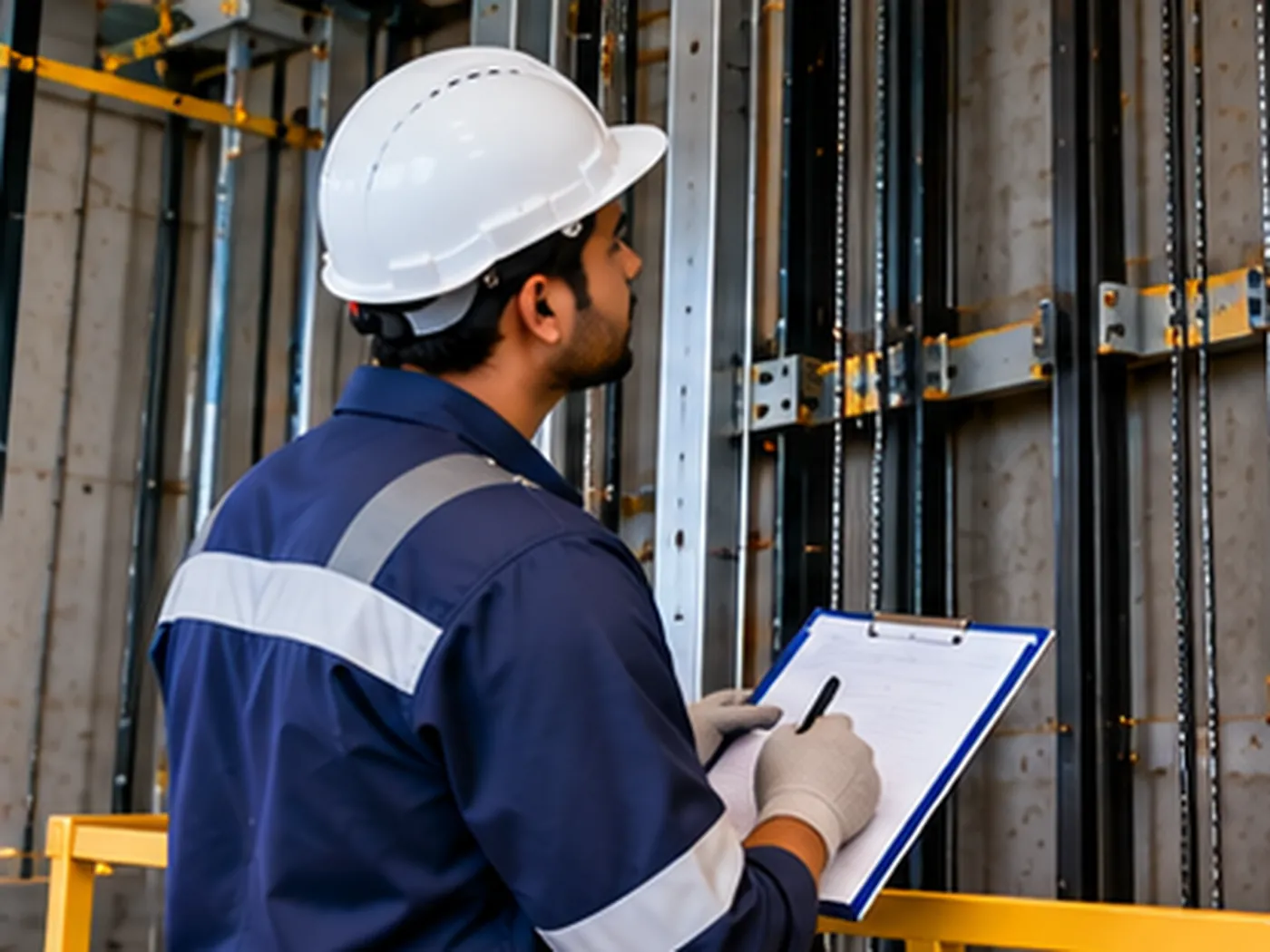
Drawings, measurements, controller photos and a clear description can make an initial discussion much more productive. They do not always reveal the full condition of a shaft or an existing elevator.
Where the recommendation depends on actual dimensions, equipment condition, access or an uncertain fault, the relevant details may need to be checked at the site.
The information needed is different. Separating the two early helps avoid vague quotations and unnecessary assumptions.
Start with the building. Equipment selection should follow the project requirement rather than beginning with a model name alone.
Start with the installed equipment and what the lift is doing. Specific symptoms are more useful than simply saying the elevator is “not working.”
A stopped lift, door problem, irregular leveling or unusual noise can have more than one possible cause. The visible symptom does not automatically identify the failed component.
Useful fault diagnosis considers the installed elevator, controller information, operating behaviour and relevant technical checks. This reduces the risk of replacing a component that does not solve the actual problem.
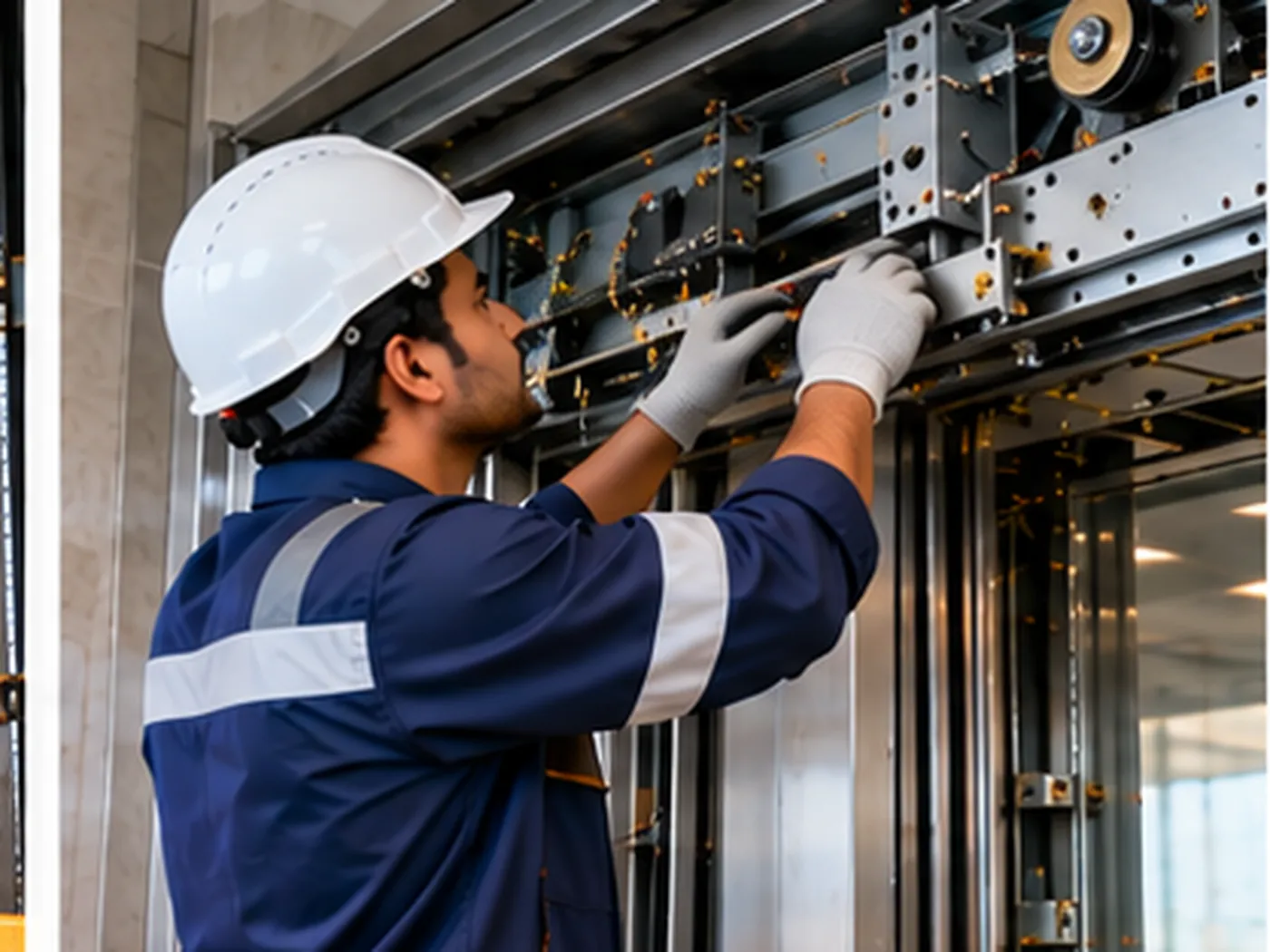
Elevator planning should reflect how the property is actually used.
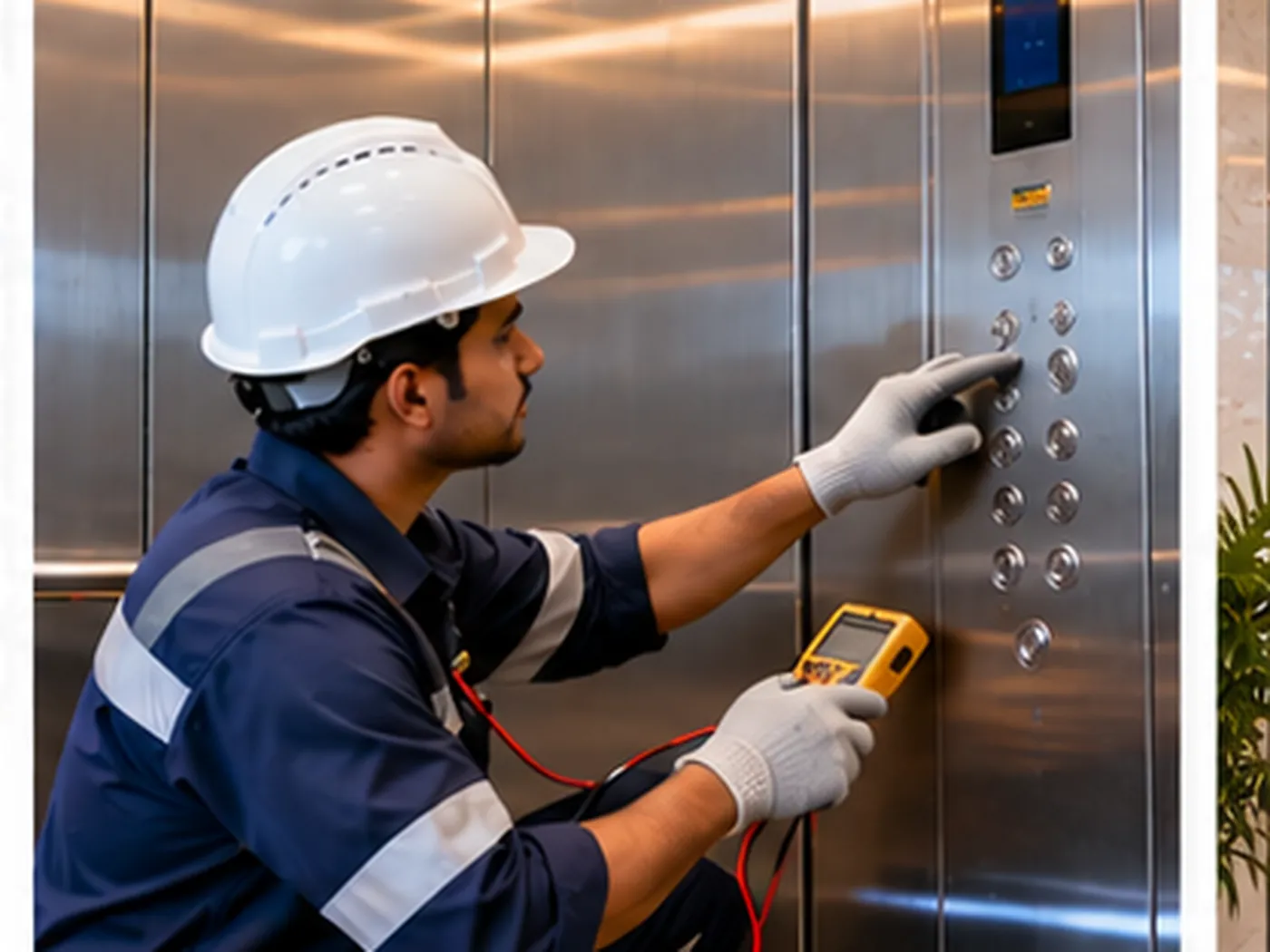
A newly installed elevator needs the relevant adjustment, checking and commissioning required for the particular equipment and project.
Depending on the lift system, this can include checks relating to doors, leveling, controls, cabin and landing operation and other equipment-specific functions before handover.
You do not need to know every technical term. Accurate basic information is more useful than guessing specifications.
Basic equipment records can save time when an elevator needs maintenance or repair later. Controller details, component identification, previous fault information and useful photographs can all support a clearer technical discussion.
If a lift develops the same problem repeatedly, record the circumstances instead of treating every occurrence as an unrelated fault. Patterns can matter during diagnosis.
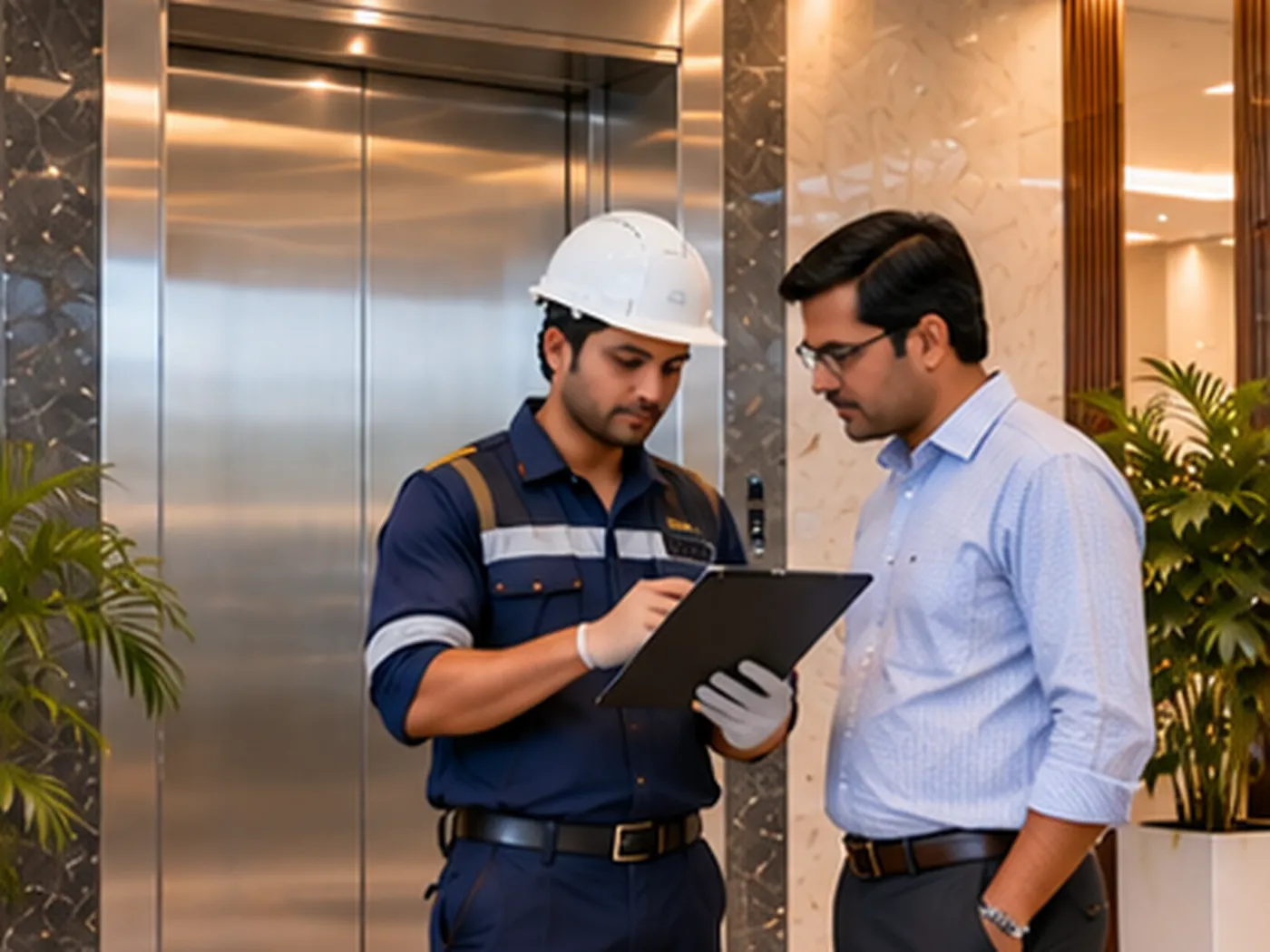
Share the information you already have. Missing technical details can be identified during the review instead of being guessed.
You can submit enquiries relating to lift supply, installation, maintenance, repair, modernization and associated technical requirements. The exact scope depends on the building or installed elevator.
Start with the project location, building use, number of floors and intended stops. If you already have shaft dimensions or drawings, include them. Also mention the expected passenger or load requirement if it has been established.
Send the lift brand or model if known, controller information, a clear description of the fault, when it happens, visible error information and useful photographs. Avoid guessing the failed part if the cause has not been diagnosed.
Photos can help identify equipment and support an initial discussion, but they may not establish the cause of an operating fault. Relevant technical checks or a site inspection may still be required.
Maintenance concerns routine servicing and condition-based attention. Repair addresses a particular fault or failed system. A lift with recurring problems may need diagnosis before the correct repair scope is clear.
A broader modernization review may be appropriate when aging controls, drives, doors or other systems create recurring problems and isolated repairs no longer address the wider condition of the elevator.
Not when the part identity or fault cause is uncertain. Compatibility should be checked first because components that appear similar are not necessarily interchangeable.
You can begin the discussion with the information available. A final equipment recommendation or detailed scope may require verified dimensions and project conditions.
For a new elevator, share the building, floors, stops and shaft information you have. For an existing lift, send the equipment details, symptoms and useful photographs.