
Goods Elevator Bangladesh: Move Stock Between Floors
Boxes for a shop, trolleys for a stockroom, or parts for a workshop: the lift should fit the load and the way your team handles it. Tell Dhaka Lift Solutions what needs to move, and we can review the lift requirements for your building.
A large cabin is no help if the trolley cannot enter
Look at the path from the store room to the lift, then from the lift to the receiving floor. A narrow landing, a sharp turn or a raised door sill can slow every delivery. These details are easy to miss on a floor plan.
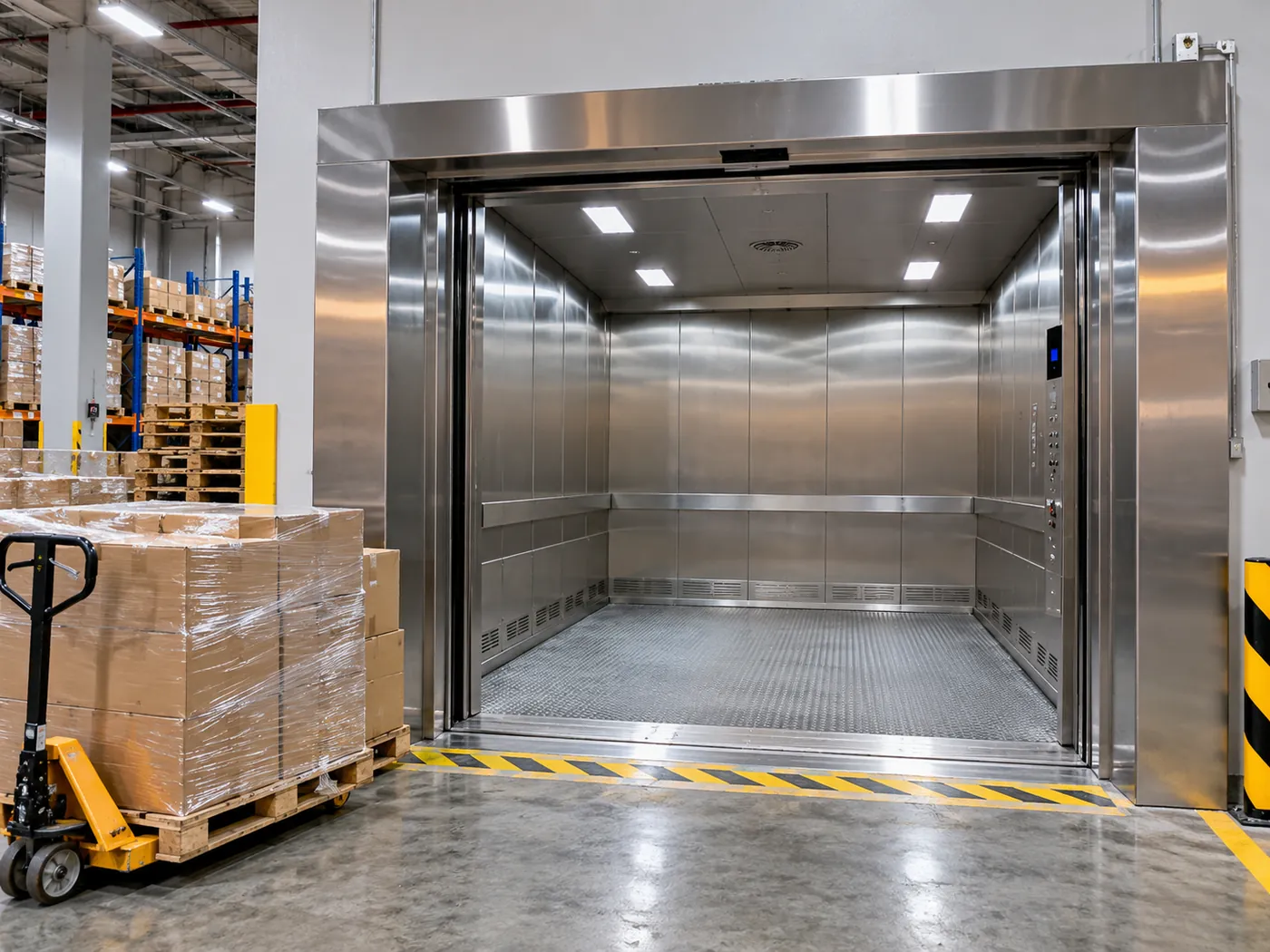
Check the tightest entrance first
Measure the load at its widest and tallest point. Then check the clear door width, approach space, landing level and where the trolley will turn.
If you need doors on opposite sides, say so before the cabin layout is chosen.
What is a goods lift, and when does one make sense?
A goods lift, also called a goods elevator, moves stock and materials between floors. It is used where moving goods by stairs takes too much time or makes handling difficult: shop stores, commercial buildings, workshops and multi-level stock areas.
Choosing one starts with a simple question: what is the heaviest and largest thing that must make the trip? The answer affects the rated load, usable cabin area and door opening. The building then sets limits on the shaft, travel and equipment arrangement.
Do not pick a goods lift by kilograms alone
Two loads with the same weight may need different cabins. A compact stack of boxes is not handled like a long trolley or a pallet with hard wheels.
What needs a technical check?
There is no single shaft size, speed or drive system for every goods elevator in Bangladesh. These six points shape the design and can also change the building work.
A goods lift should match the work around it
Different buildings move different kinds of stock. The starting point is the daily route, not a lift catalogue picture.
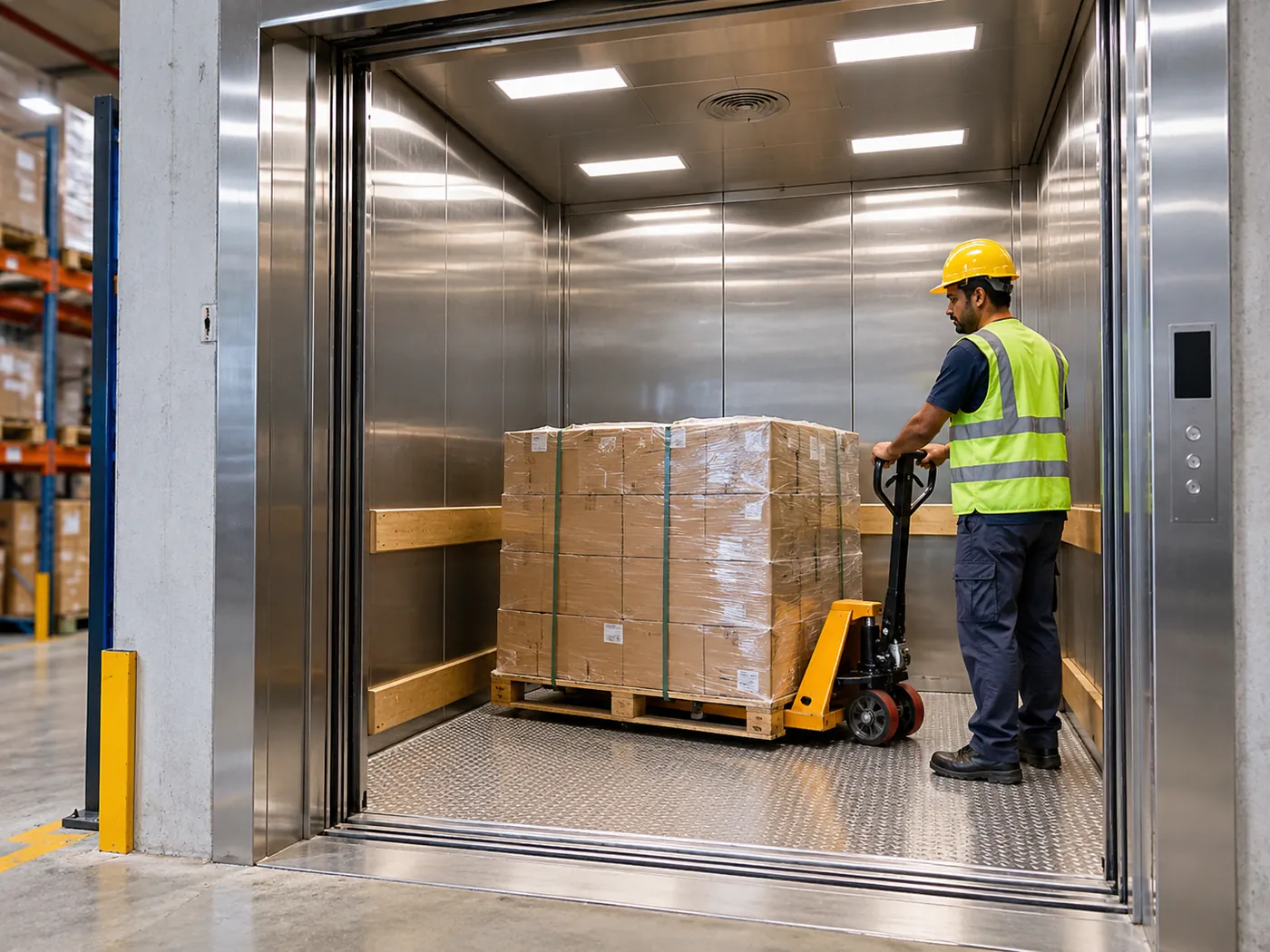
Shops, showrooms and stock floors
Stock may arrive in cartons, on wheeled racks or in small batches. Check how it reaches the lift from the receiving area and where it goes at the next floor.
- Room for a loaded trolley at each landing
- Access that does not block customer routes
- Useful cabin protection for repeat deliveries
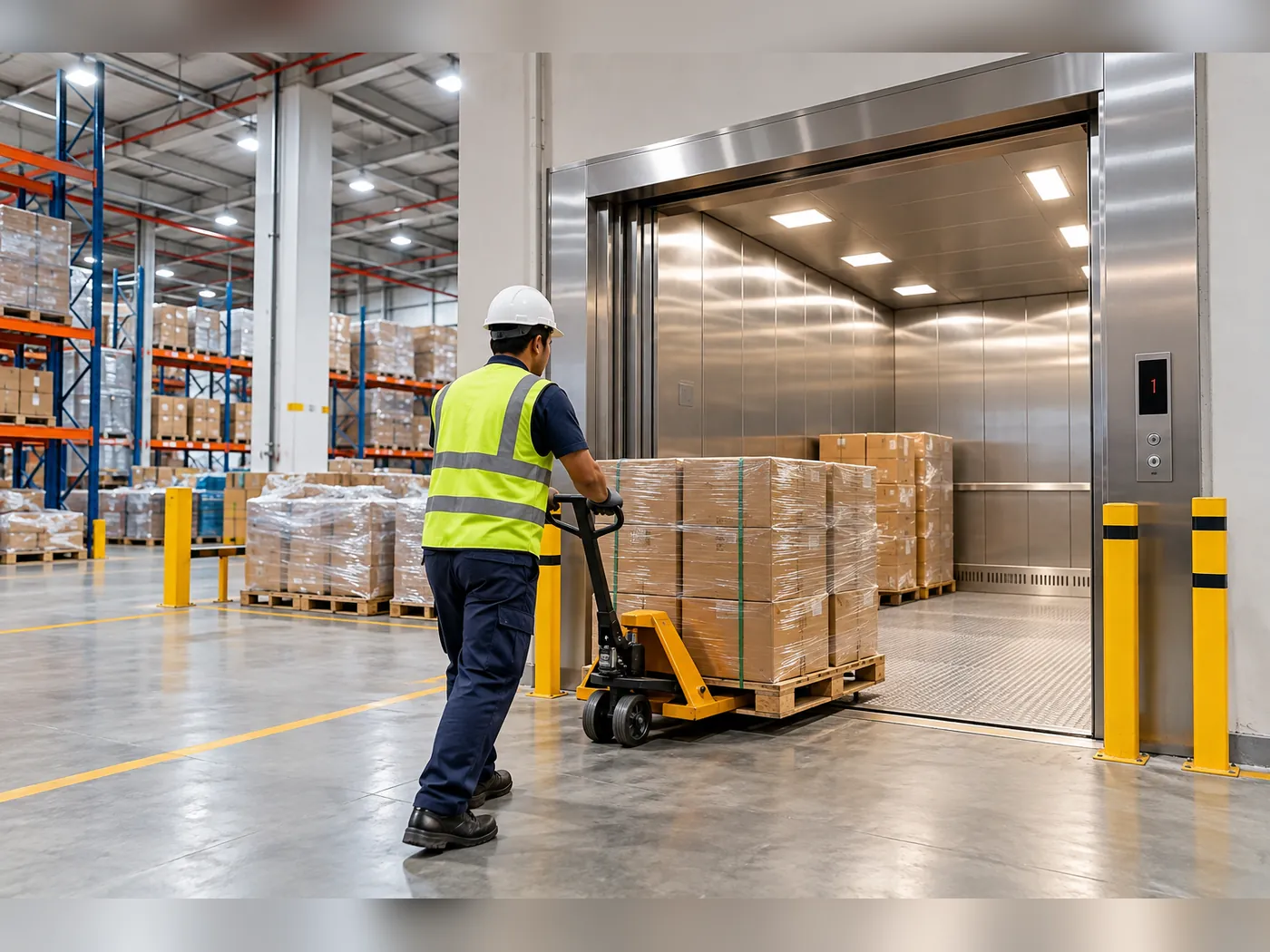
Workshops and production support
Parts, tools and packaged output may be moved many times in a shift. Load distribution, door strength and the pattern of use need closer attention.
For site-specific layouts, see factory lifts and warehouse cargo lifts.
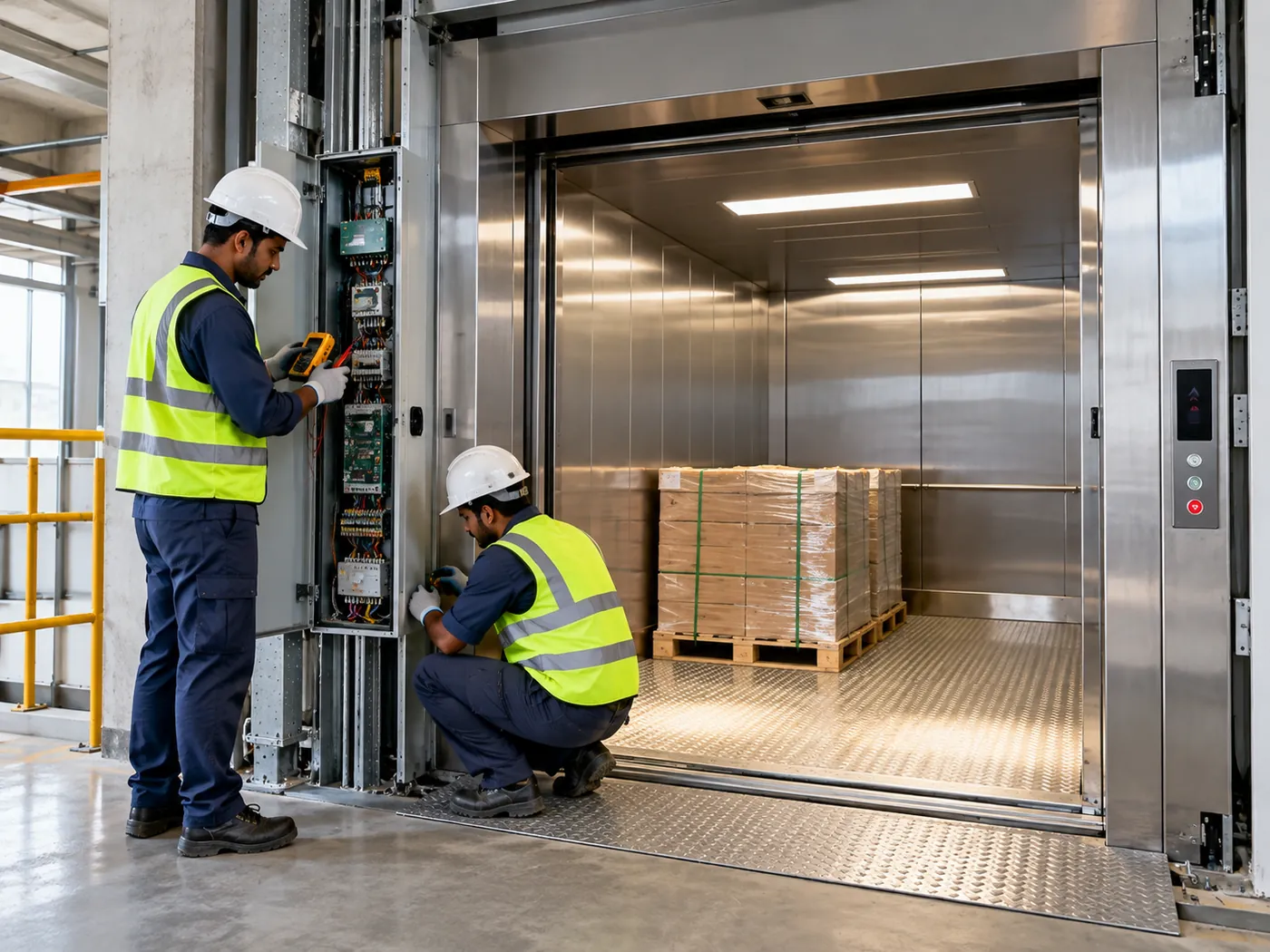
Get the site work clear before equipment arrives
A suitable goods lift can still be awkward to use if the landings, shaft or power work do not match the equipment. Ask for the required building work and responsibility for each part to be clear in the proposal.
What affects goods lift price in Bangladesh?
A reliable figure needs a load brief and basic site details. Two projects with the same rated capacity can have different door, shaft and installation costs.
Goods lift FAQs
How do I work out goods lift capacity?
Add the heaviest load and the trolley, pallet or other handling gear that enters the lift. Tell the supplier if the weight sits on a few wheels. Capacity and car-floor suitability both need to be checked.
What goods lift dimensions do I need?
Start with the largest item you move. Measure its width, depth and height, including a trolley handle or pallet. Check the turning space and clear door opening too. The final cabin and shaft sizes depend on the lift chosen.
Can staff ride inside a goods elevator?
Do not assume they can. A goods-only system may not be approved to carry people. If an operator must travel with the load, state this before selection and confirm the intended use and safety requirements for that model.
Is a hydraulic goods lift better than a traction lift?
Not in every building. The suitable drive depends on travel height, load, number of trips, shaft space, energy needs and maintenance access. Compare the proposed systems against your site and daily work.
Can a hand pallet truck enter the lift?
It may be possible if the car floor, wheel loading, door opening and landing level suit the loaded truck. Share its full dimensions and total weight. Do not assume a forklift or other powered vehicle can enter without a separate design check.
What happens during a power cut?
It depends on the specified controls and rescue arrangement. Ask how the lift will be made safe, how a stopped load is handled, and whether backup power is part of the quotation.
Can you quote from photos and drawings?
Photos, measurements and load details can support an initial discussion. A final specification and installation scope may still need a site check, especially if the building has no suitable shaft yet.
Tell us what has to go up and down
Send the load weight, largest item size, number of floors and any shaft photos or drawings. We can use that brief to discuss suitable goods lift options and the site details that still need checking.
- Type of goods and total loaded weight
- Largest trolley or pallet dimensions
- Number of stops and building location
- Available shaft measurements or site photos