01
Produces torque
The motor creates the rotational force needed by the traction system.

Need a lift motor for repair or modernization? Start with the existing motor nameplate, controller, encoder, brake and lift data. A replacement should match the real elevator system—not just the motor's shape or power label.
For an elevator motor enquiry in Bangladesh, send more than a model name. Useful information includes the motor nameplate, lift capacity and speed, controller model, encoder details, brake arrangement and clear photos of the installed equipment. These details help narrow down the correct replacement.
In a traction elevator, the motor provides the turning force used by the traction system to move the car and counterweight. It works as part of a larger system with the drive, controller, brake, encoder or feedback device, sheave and suspension arrangement.
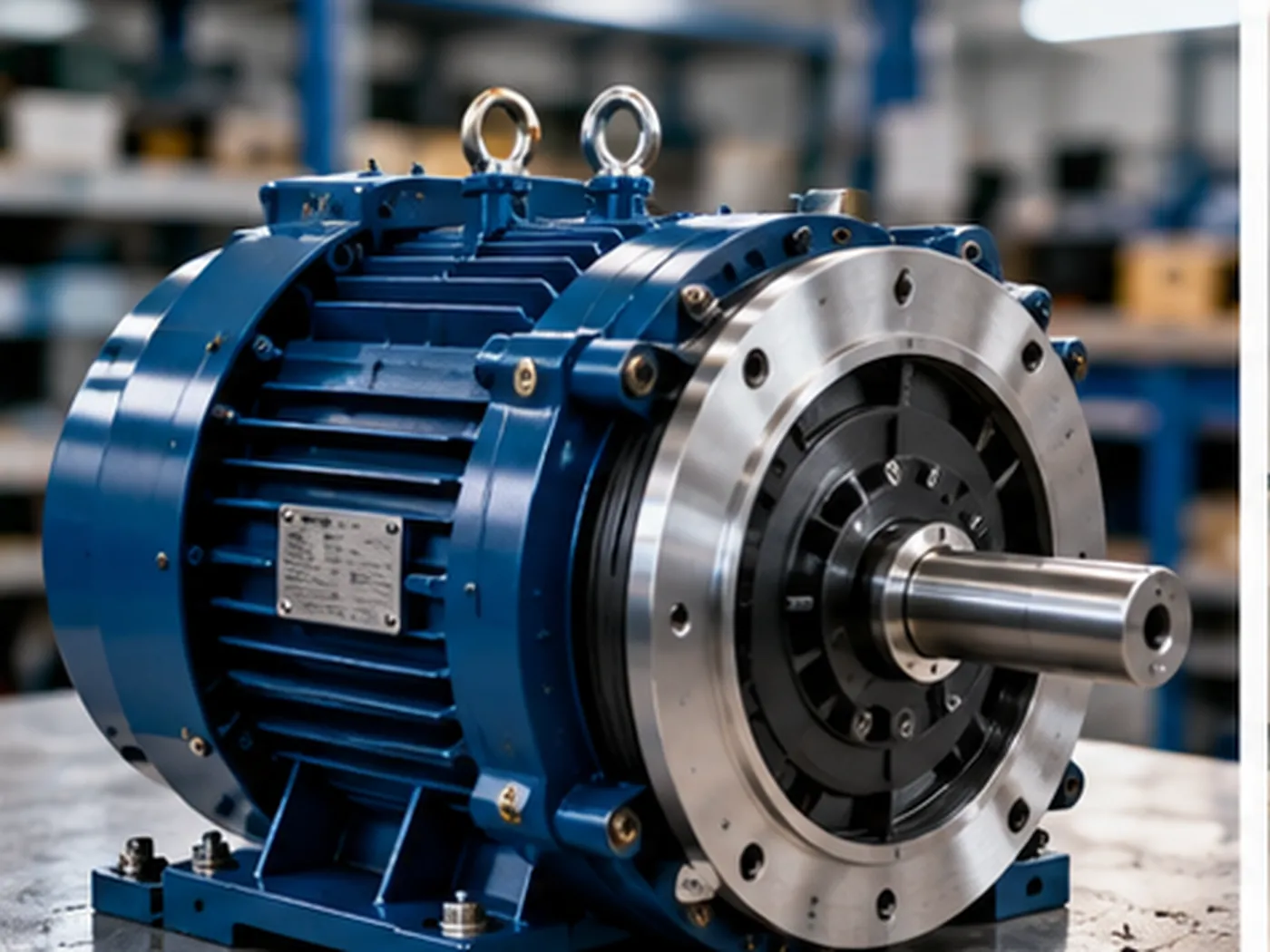
The motor creates the rotational force needed by the traction system.
The motor and drive must be suitable for each other so motion can be controlled correctly.
Many modern systems use an encoder or similar feedback device for controlled motor operation.
The brake arrangement is an important part of the complete traction system and must be considered during replacement.
These terms are often used together in lift enquiries, but they do not always describe exactly the same scope. Knowing what you actually need helps avoid ordering the wrong component.
The electrical machine that produces rotational force. Depending on the elevator design, the motor may be part of a geared or gearless traction arrangement.
A gearless arrangement drives the traction sheave without a conventional reduction gearbox between the motor and sheave.
PMSM means permanent magnet synchronous motor. This motor technology is commonly associated with modern gearless elevator traction systems.
This normally refers to the wider machine assembly rather than only the motor. Depending on the design, it can include the motor, traction sheave, brake and associated mechanical components.
A similar-looking motor is not enough. The replacement has to fit the elevator's mechanical arrangement and work with its electrical and control system.
A traction motor works with several other parts of the elevator. If one of those interfaces is different, a replacement motor may need additional engineering work or may not be suitable at all.
For drive-specific information, see the elevator VVVF inverter page.
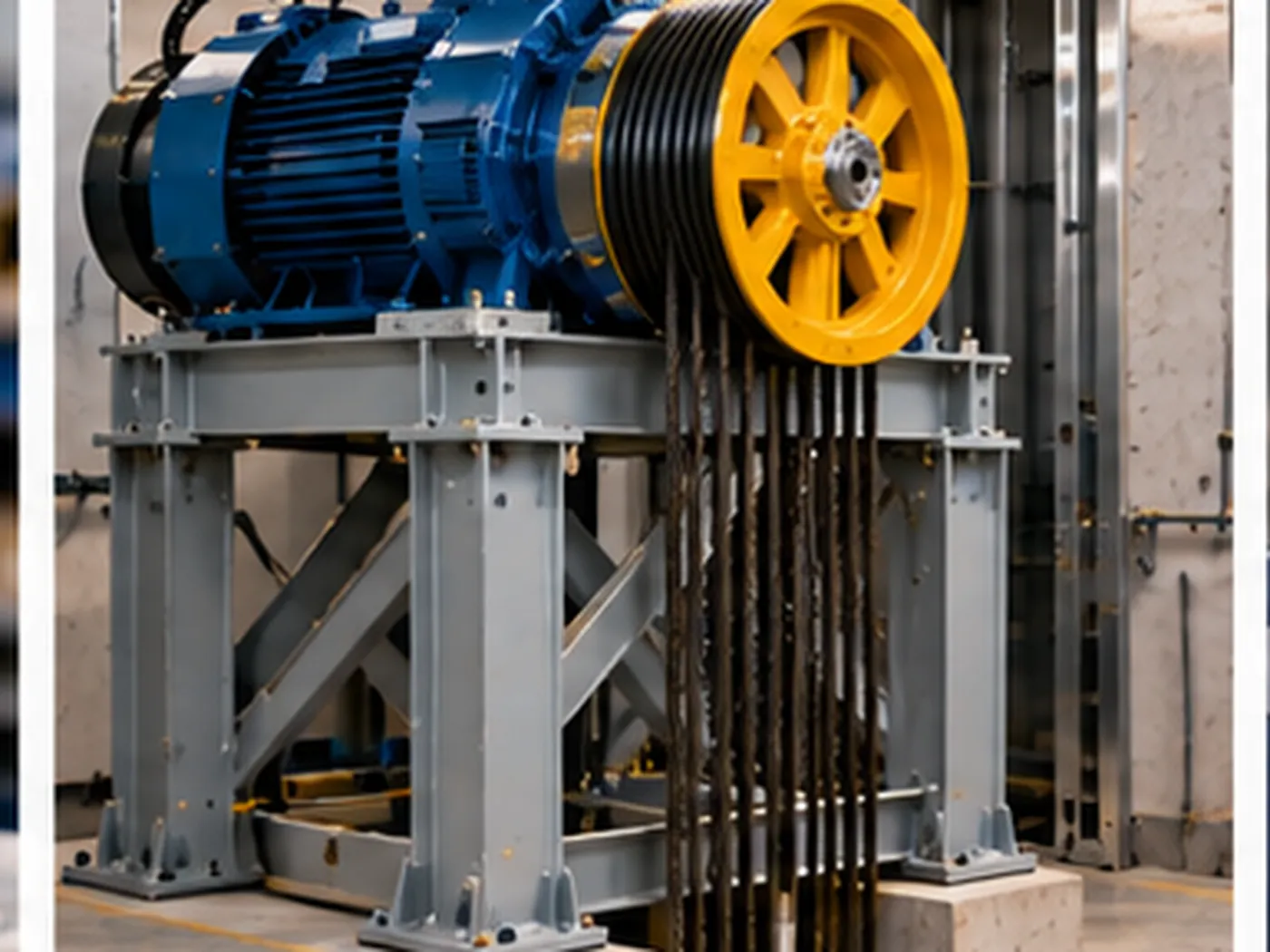
Noise, vibration, overheating, starting problems or drive faults do not automatically prove that the motor itself must be replaced. The wider lift system should be checked first.
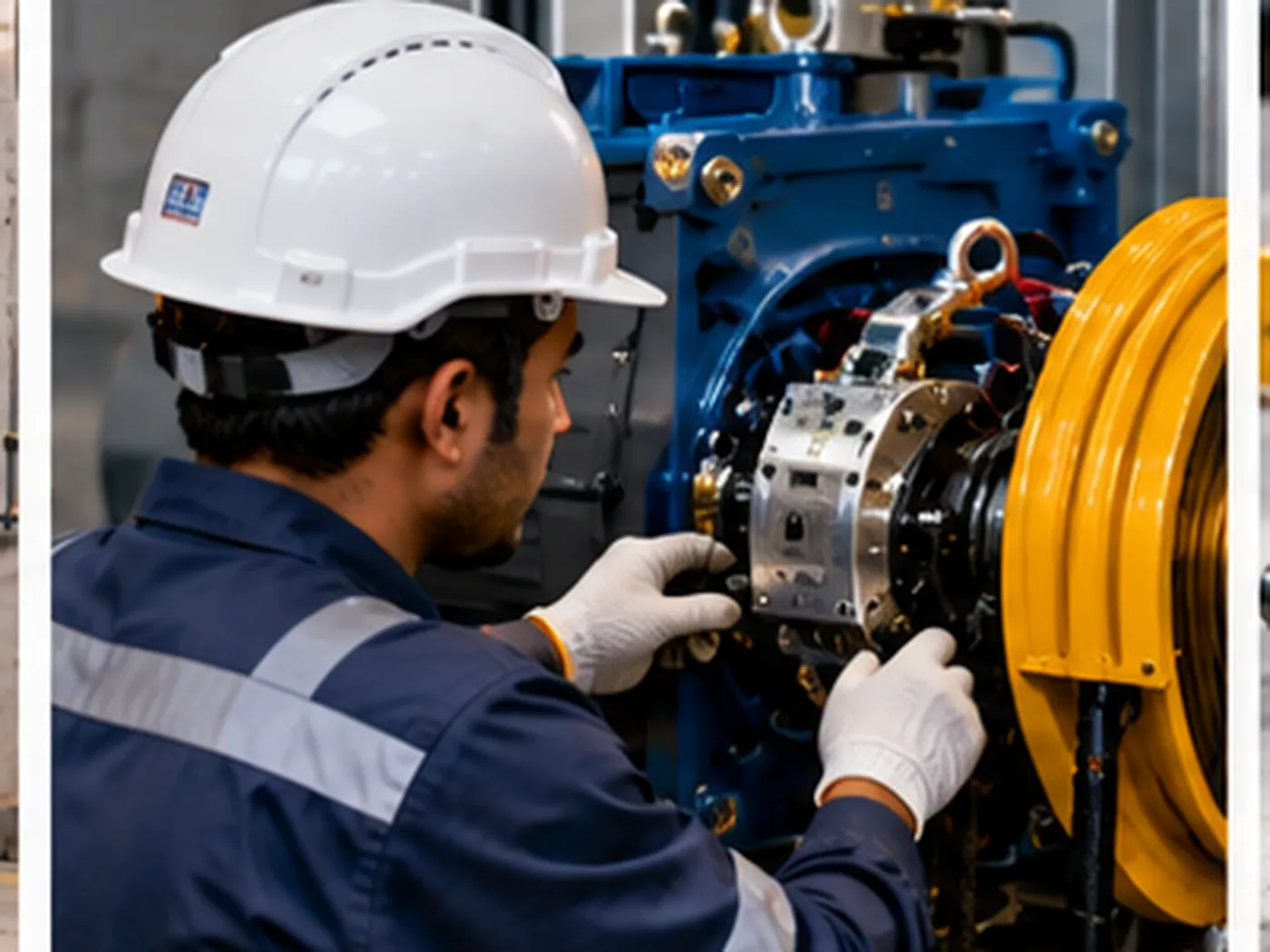
Note what happens during starting, travel, stopping or brake operation. Record available drive or controller fault information.
Motor condition should be considered together with power supply, drive, encoder, brake, bearings, wiring and mechanical loading.
Photograph the complete unit and nameplate. Record controller and inverter information as well.
The appropriate next step may involve repair, a component change, full motor replacement or wider modernization depending on the confirmed fault.
A replacement needs correct mechanical installation, electrical connection, drive setup and testing before normal elevator operation.
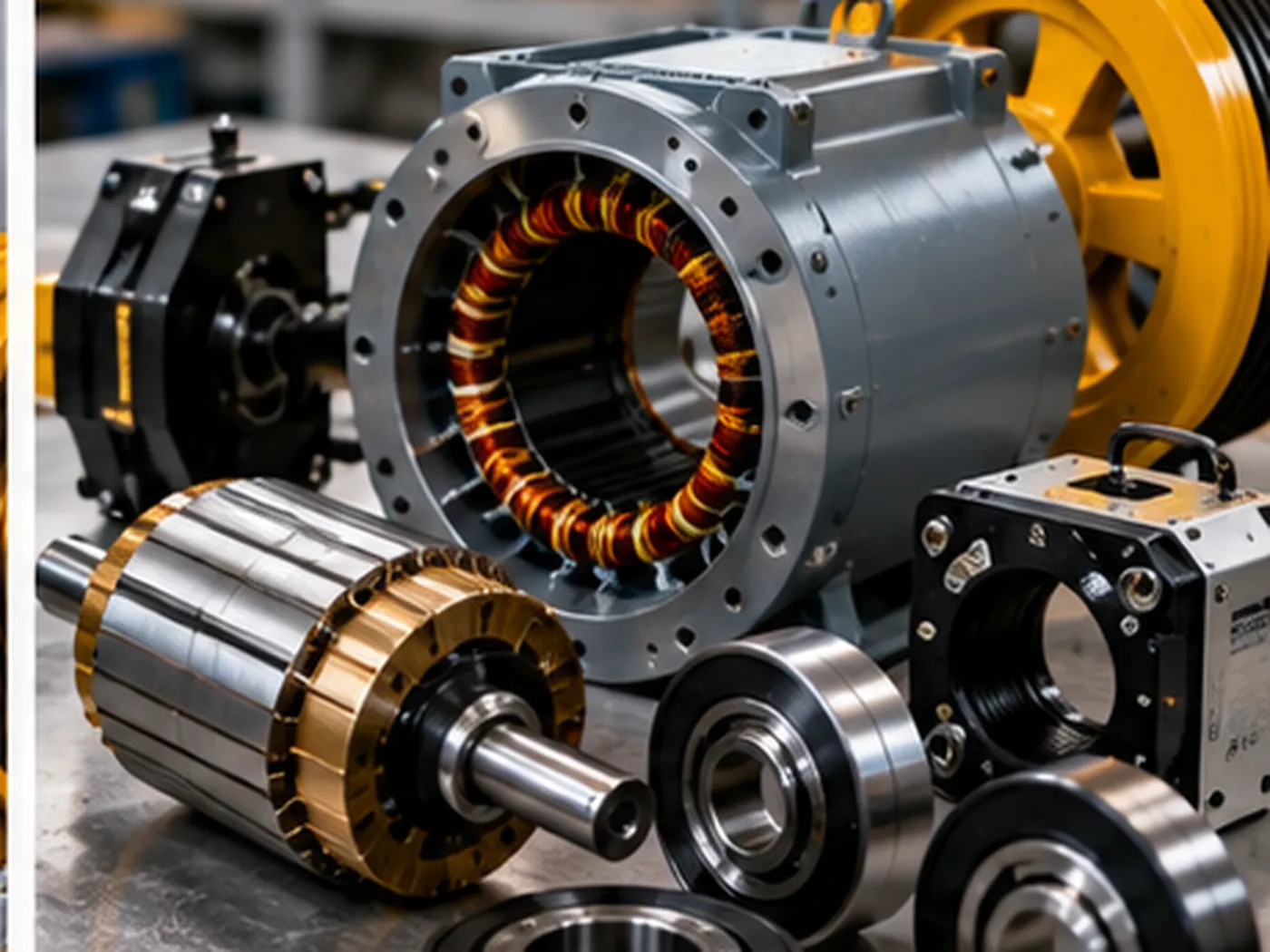
The required scope depends on the actual equipment and fault. Photos and part information help establish whether the enquiry concerns the complete motor or a related component.
For components outside the motor family, browse elevator spare parts.
There is no useful single motor price without knowing the required equipment. A quotation should be based on the actual motor and project requirements.
Good identification information makes the enquiry easier to assess and reduces guesswork.
A gearless elevator motor is used in a traction arrangement where the motor drives the traction sheave without a conventional reduction gearbox between them.
PMSM means permanent magnet synchronous motor. It is a motor technology commonly used in modern gearless elevator traction systems.
No. The power rating is only one part of motor selection. Lift capacity and speed, controller and drive requirements, encoder, brake, mounting and mechanical arrangement may also need to match.
Start with clear photos of the complete motor and its nameplate. Controller, VVVF drive, encoder and brake information is also useful when checking a replacement.
Not exactly. The motor is the electrical machine that produces torque. The traction machine normally describes a wider assembly that can also include the traction sheave, brake and related mechanical components.
No. Some symptoms can come from the drive, encoder, brake, bearings, wiring, electrical supply or other parts of the elevator. The cause should be checked before ordering a replacement motor.
Motor type, electrical rating, lift duty, encoder and brake arrangement, controller compatibility, required accessories and whether installation or commissioning is included can all affect the final quotation.
It may be part of a modernization plan, but the existing lift, controller, drive, shaft arrangement, suspension system and project requirements need technical assessment before the final scope is selected.
The right replacement starts with correct identification. Share clear motor, controller and drive information so the required scope can be reviewed before quotation.