
FUJI Elevator Service Bangladesh for Maintenance, Repair & Modernization
Start with the actual elevator, not the brand name alone. A technical inspection can identify the installed controller, drive, doors, operating condition and repair scope before parts or modernization work is planned.
The FUJI name alone is not enough to confirm a replacement part or service procedure. The exact manufacturer, model, controller, drive, door system and installed components need to be checked from the actual elevator.
Photos of the nameplate, controller, drive and faulty component can make the first technical discussion much more useful.
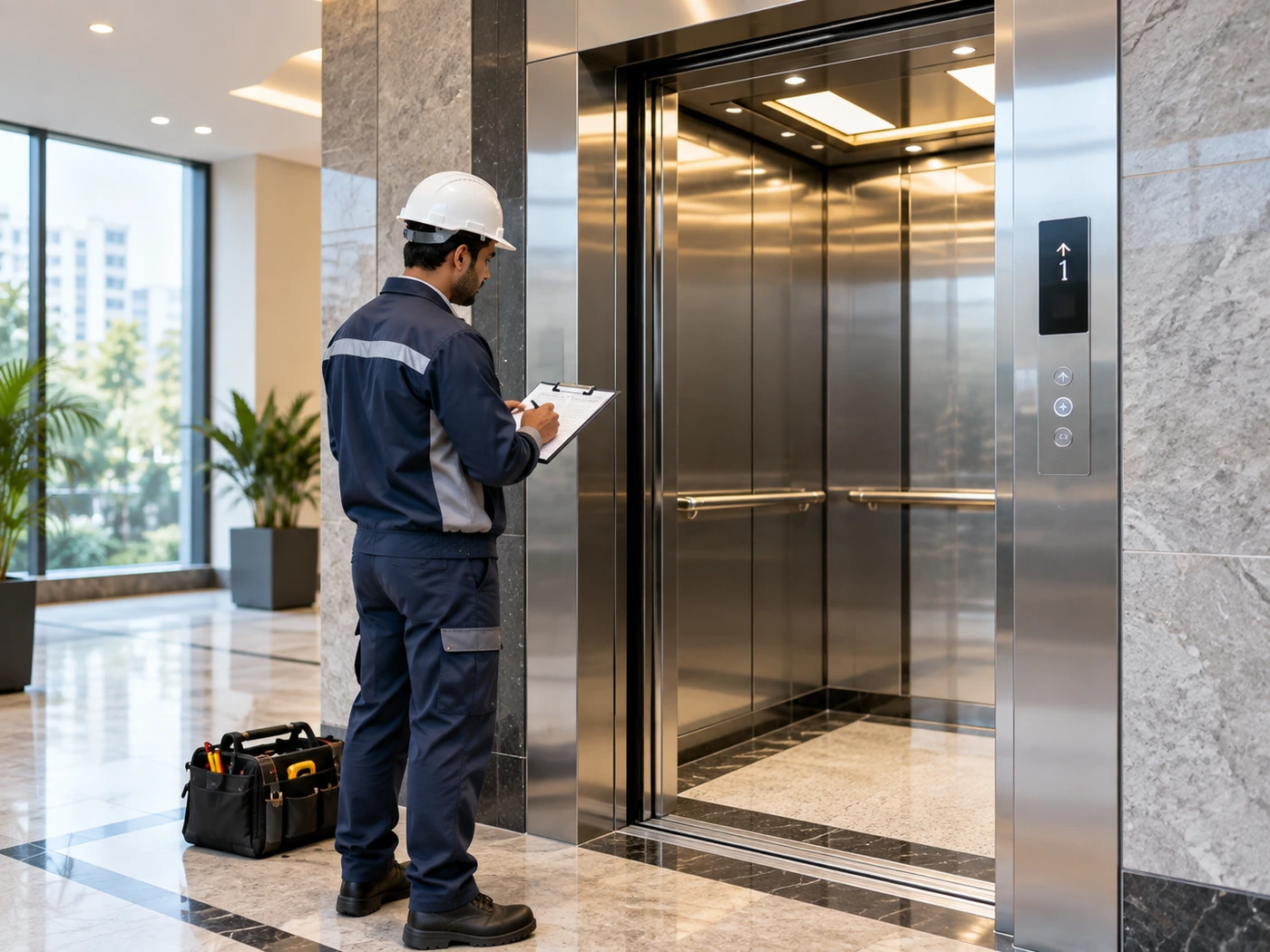
Service starts by identifying the installed lift
Two elevators carrying a similar brand name may not use the same controller, drive, door operator or electrical components.
Before recommending a repair, the technical team should know which equipment is actually installed and what fault the building is experiencing.
Avoid replacing parts simply because a lift has stopped. Diagnosis comes first.
FUJI lift maintenance and repair should be based on the actual condition
Check operating condition, doors, ride behaviour, controls and visible mechanical or electrical issues.
Trace a shutdown, error code, door problem or repeated interruption before deciding which repair is needed.
Inspect relevant door, guide, roller, traction or other mechanical equipment when symptoms point to those areas.
Check affected controls, wiring, relays, switches, boards or drive equipment where technically appropriate.
Consider an upgrade when repeated failures, obsolete equipment or poor parts availability make repeated repair less practical.
Tell the technician what the lift is actually doing
A clear fault description can shorten the first diagnostic discussion. Do not reset or adjust safety-related equipment unless you are qualified to do so.
A repair price depends on what the inspection finds
A fixed repair figure can be misleading when the fault, model and component condition are still unknown.
A useful quotation should separate the diagnosed work from assumptions and show which replacement items, labour or upgrade work are included.
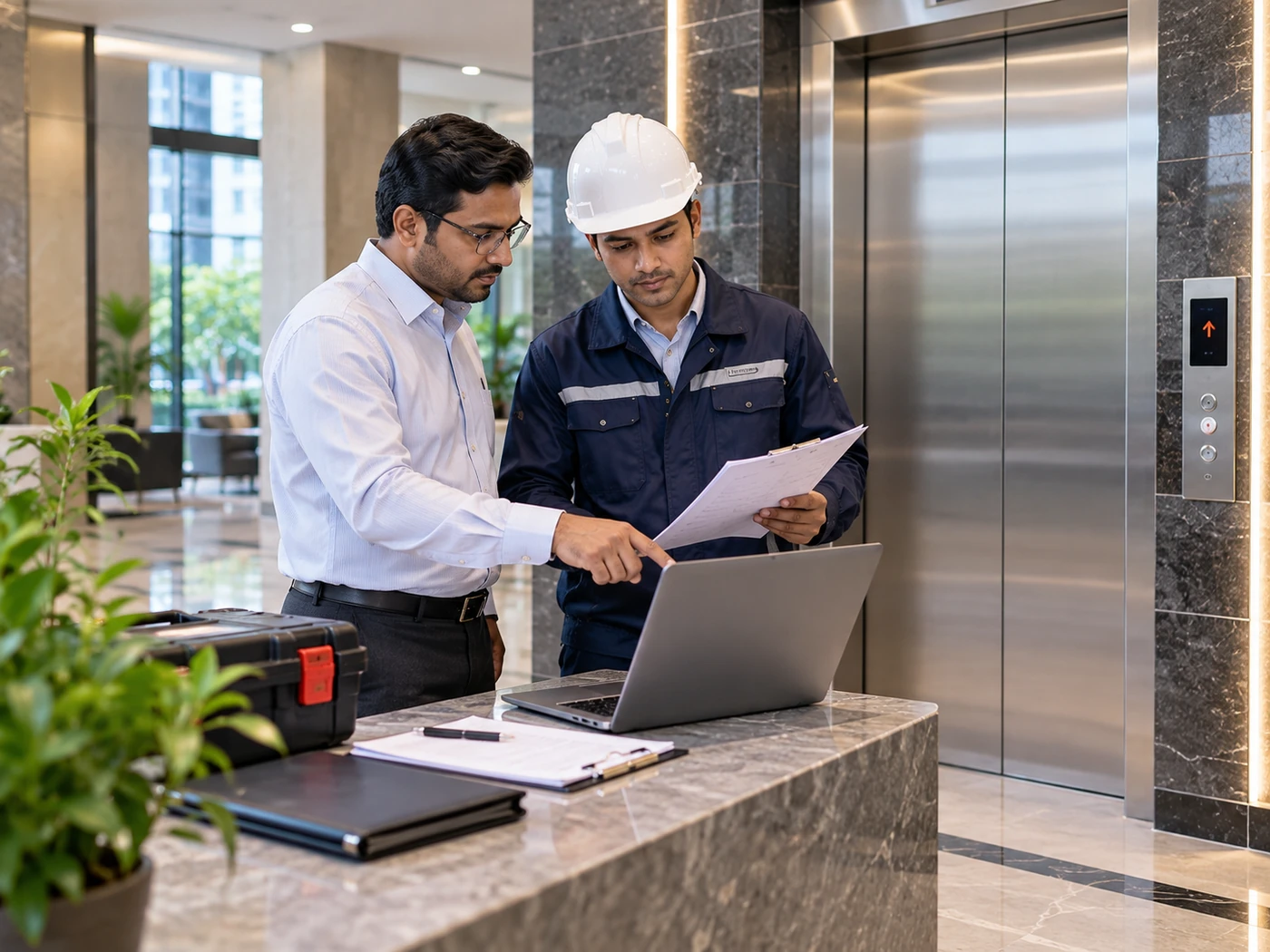
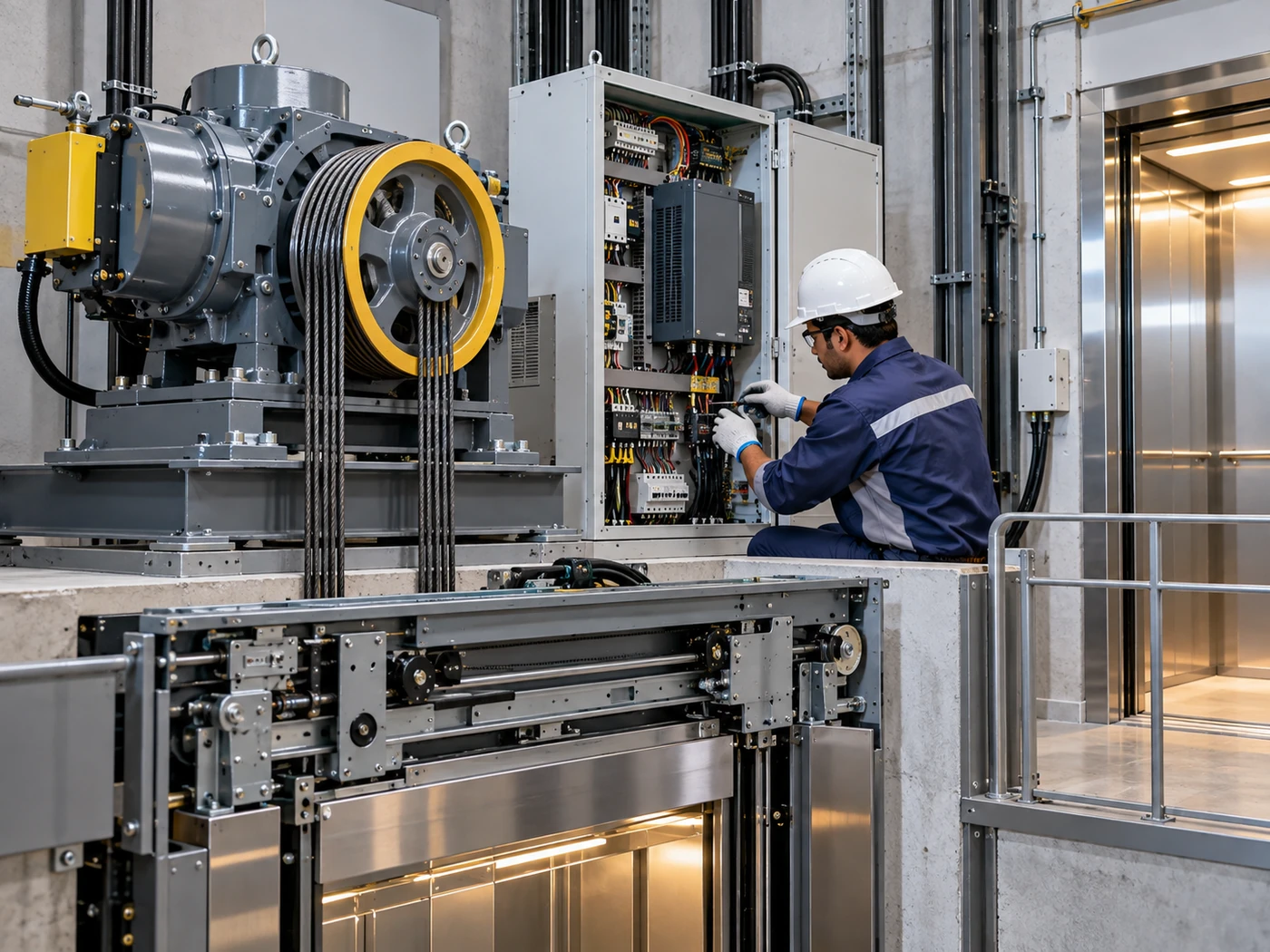
Look at the system around the failed component
A fault can appear at one component while the real cause is somewhere else in the system. This is why a repair should not be based only on the first visible symptom.
- Review controller fault information where available.
- Check wiring, terminals and related electrical condition.
- Inspect drive or traction equipment when the symptom points there.
- Check door equipment when faults involve opening or closing.
- Review switches, sensors and interlocks relevant to the problem.
- Consider previous repair work that may affect the current fault.
Modernization is useful only when the existing lift justifies it
An older lift does not automatically need a complete replacement. The right choice depends on equipment condition, failure history, compatibility and the building's needs.
When the problem is isolated, compatible replacement equipment is available and the remaining system is in reasonable condition.
A selected control, drive, door or operating system upgrade may be considered when one area is causing repeated problems.
This may make more sense where several major systems are ageing, repeatedly failing or becoming difficult to support.
Access, shaft condition, power supply, downtime and construction work should be considered before deciding the modernization scope.
Exact component changes and technical requirements should follow an inspection and the selected system rather than generic figures.
A practical way to handle a FUJI lift service enquiry
The exact work changes with the fault, but a clear diagnostic sequence helps prevent unnecessary parts replacement.
Share the lift information
Send building location, symptoms and clear photos of available manufacturer/model and equipment identification.
Review the fault
Decide what needs checking on site and which technical information should be collected before a quotation is prepared.
Inspect the affected system
Check the relevant controller, drive, door, electrical or mechanical equipment based on the reported problem.
Define the repair or upgrade scope
Separate the confirmed repair requirement from optional modernization work so the buyer knows what is being proposed.
Verify required components
Check part number, model and compatibility before replacement items are ordered or installed.
Test the completed work
Relevant operating functions should be checked after the repair or upgrade before normal use resumes.
Use replacement parts only after compatibility is checked
A service job may require a board, sensor, relay, drive, door component or another replacement item. That does not mean every part sold under a FUJI description will match the installed elevator.
Check the existing part, model, connector, electrical specification and system relationship where relevant before ordering.
Parts-only buying intent belongs on the dedicated FUJI spare-parts page rather than this service page.
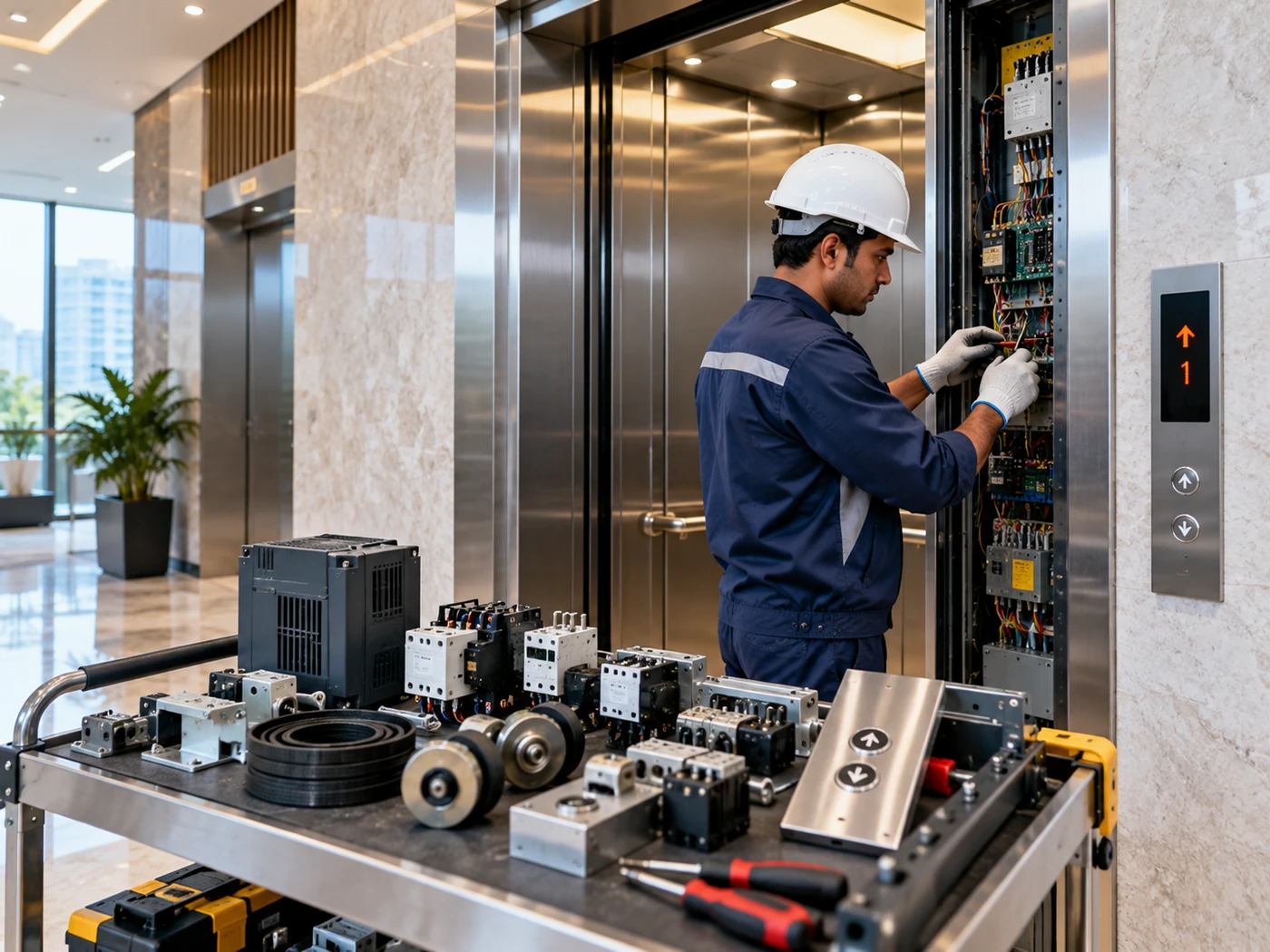
What can affect the cost of FUJI elevator repair?
There is no useful single repair price without knowing the fault and installed equipment. These are some of the practical cost factors.
Use the page that matches what you need
Common questions before requesting FUJI elevator service
Can you confirm service support from the FUJI name alone?
What should I send before requesting service?
Can a recurring fault mean the controller needs replacement?
Should an old FUJI elevator be repaired or modernized?
Can any FUJI-labelled spare part be installed in my lift?
Can you give a FUJI elevator repair price before inspection?
Start with the fault, model details and the actual installed equipment
Share what the lift is doing and any safe-to-access identification information you already have. The next step can then focus on diagnosis, repair scope or modernization planning.