Opening or closing command
The door-control system receives the relevant command and begins the required movement.


Looking for a door operator, motor, roller, lock or another elevator door component? Send clear photos, existing part information and the door fault first so the required component can be identified before repair or replacement.
The door operator drives and controls the movement of the elevator car door. Depending on the system, the operator assembly can include a motor, drive or controller, belt or linkage, pulleys, hanger mechanisms and feedback devices. The car-door mechanism then works with the landing-door equipment at each floor.
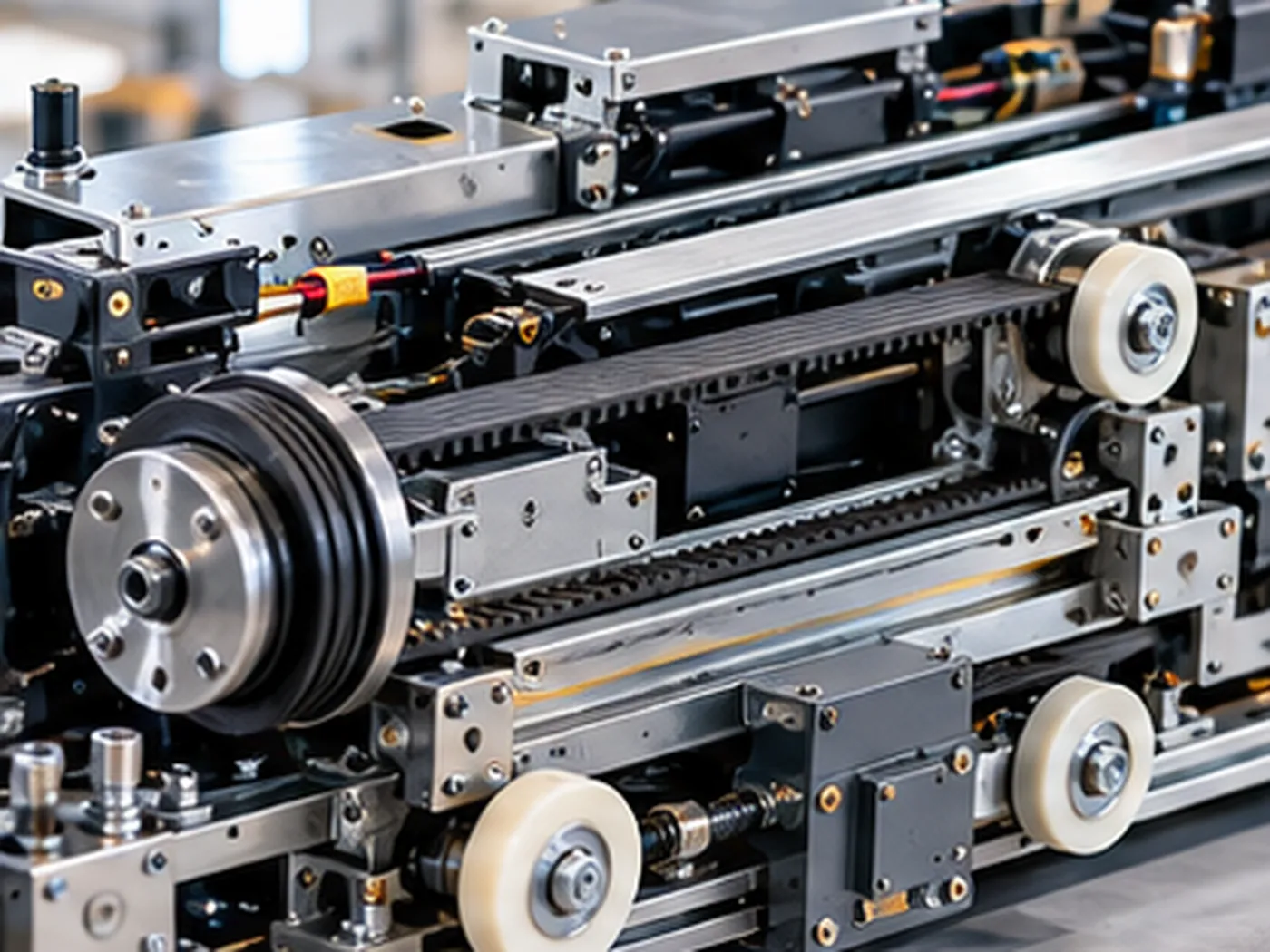
The operator is only one part of the complete car and landing-door system.
A slow, noisy or incomplete door movement can involve the operator, motor, belt, rollers, hanger, track, lock, alignment, sensor or electrical/control side. Replacing the most visible part without diagnosis can leave the original problem unresolved.
Door movement depends on coordination between mechanical parts, electrical controls and door-position information.
The door-control system receives the relevant command and begins the required movement.
The motor and transmission mechanism move the car-door panels according to the operator design.
At the landing, the coupling arrangement allows the appropriate landing door to open and close with the car door.
The relevant door and interlock conditions must be satisfied before normal elevator movement is permitted.
This distinction matters when ordering panels, hangers, locks and other replacement parts.
The car door travels with the elevator car. The door operator is normally associated with this moving entrance assembly.
A landing door remains at each floor and forms the entrance between the building landing and the lift shaft.
The symptom helps determine which parts deserve inspection. It does not by itself prove which component has failed.
Check the operator condition together with rollers, hanger, track alignment, belt or transmission parts and relevant control settings.
Look for mechanical obstruction, alignment problems, worn rollers, operator issues, sensing problems or another condition preventing the normal closing sequence.
The landing-door lock, contact, hanger, roller, alignment or floor-specific mechanism may need attention.
The car-door operator, motor, controller or drive, wiring, feedback equipment or common mechanical components may need inspection.
A door-lock, contact or related safety/control condition may not be confirmed. The fault should be investigated rather than bypassed.

A replacement operator or door component has to fit the actual entrance arrangement. Physical mounting is only one part of the compatibility check.

Repeated door faults are not always solved by changing the operator motor or controller.
A useful inspection looks at the condition and movement of the door panels as well as the operator, rollers, hangers, tracks, locks, contacts, wiring and relevant control information.
The exact available replacement depends on the installed door system. This list describes component families, not guaranteed stock or universal compatibility.
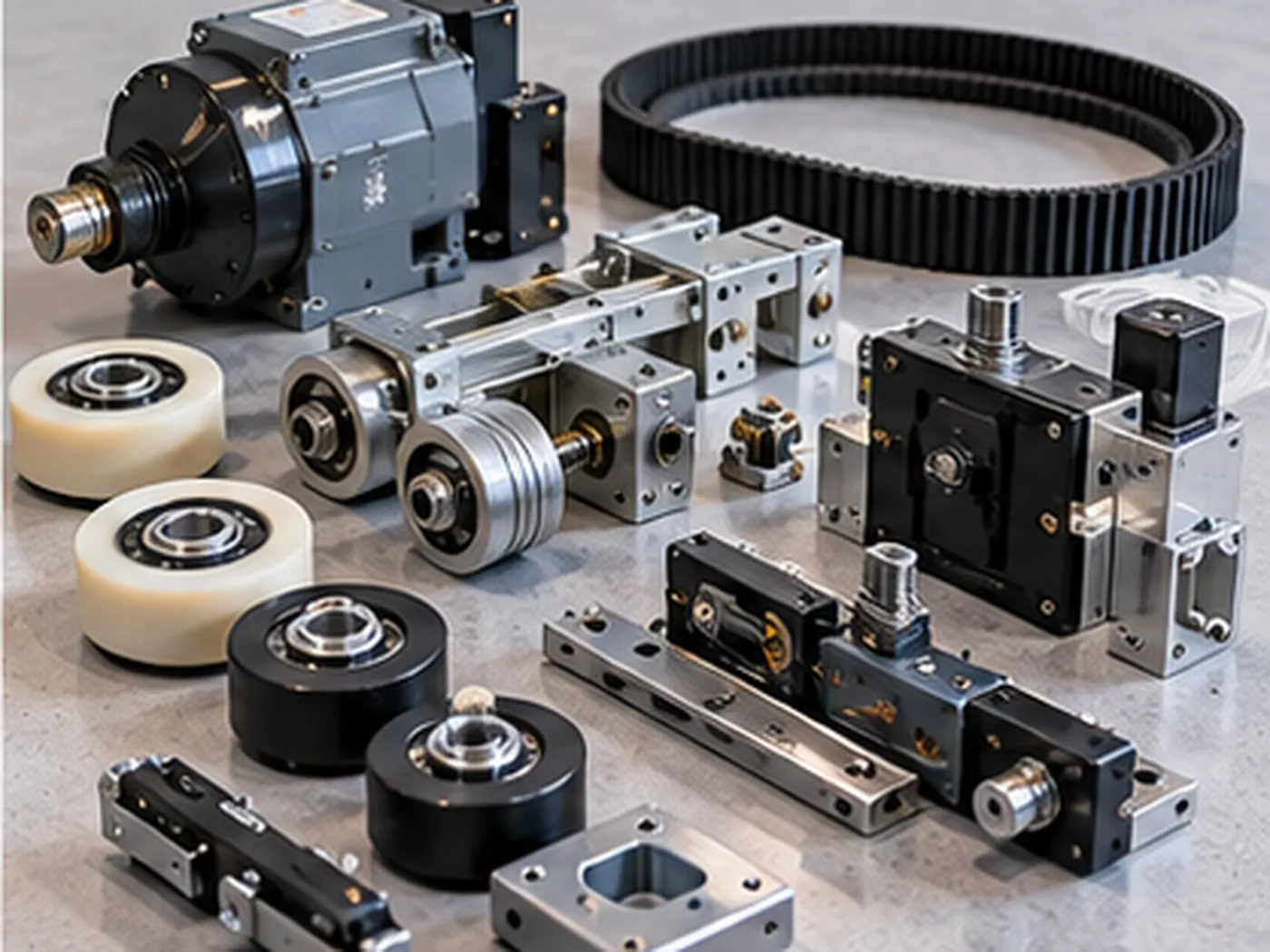
A door-operator price is meaningful only after the required system or replacement component has been identified.
This keeps door-operator enquiries separate from dedicated sensors and general spare-parts searches.
Practical answers for replacement, repair and door-system enquiries in Bangladesh.
It is the powered mechanism that drives and controls the elevator car-door movement. Depending on the design, the assembly can include a motor, controller or drive, belt or linkage, pulleys, hangers and feedback components.
The symptom alone is not enough. The operator should be checked together with rollers, hangers, tracks, belts, locks, contacts, sensors, wiring and relevant control information. A problem on one floor can point to a different area than the same problem occurring at every floor.
Only after compatibility is checked. Mounting, opening arrangement, dimensions, motor and control characteristics, connections and the existing door mechanism can all affect whether a replacement is suitable.
Send clear photos of the complete operator, model or label information, controller details where relevant, and a description of the problem. Price depends on the actual component and scope, so a generic web price may not match the required part.
The car door travels with the elevator car. Landing doors remain at each floor and separate the building landing from the lift shaft. Their mechanisms interact when the car is correctly positioned at a landing.
A door lock or interlock is part of the elevator's safety-related door system. A fault should be diagnosed and corrected rather than bypassing the locking or safety circuit to continue normal service.
Send one photo of the complete door mechanism, close-ups of the required part and readable labels or model numbers. For a landing problem, identify the affected floor. Do not reach into moving or energized elevator equipment simply to take a photograph.
Send the existing operator or component photos, model information, door type and fault description. The requirement can then be reviewed before a repair scope, replacement component or quotation is discussed.