
Elevator LC Import Bangladesh: Plan the Letter of Credit Process Properly
Importing a lift through a Letter of Credit needs more than a supplier quotation. The lift specification, commercial terms, bank documents and shipment details should agree before the order moves forward.
In simple terms, the buyer agrees the lift and commercial terms with the supplier, then works with an Authorized Dealer bank on the Letter of Credit. The supplier ships against the agreed LC terms and presents the required documents through the banking chain.
For lift projects, the technical side should be settled early. A change in capacity, stops, door type, cabin finish, drive system or shipment scope can also change the commercial paperwork.
Settle the lift order before opening the LC
An LC should not be the first step in choosing a lift. It comes after the important commercial and technical points are clear enough for the supplier, buyer and bank to work from the same order.
A useful rule
Do not treat the Proforma Invoice as only a price sheet. For an imported elevator, it connects the technical order with the commercial transaction.
Check the final wording with your bank before relying on it for LC opening.
Confirm the actual lift configuration
Agree the lift type, capacity, number of stops, door arrangement, cabin finish, control system and other project-specific details that affect the order.
Check what the supplier price includes
Ask what is inside the package and what is outside it. Freight, local delivery, installation, civil work, electrical work and optional finishes should not be assumed without written confirmation.
Match the buyer and supplier details
Company names, addresses, bank details, product descriptions, quantities and commercial terms need careful review before the LC application is submitted.
Agree shipment and document requirements
The required shipment documents and presentation conditions should be discussed with the bank and supplier in advance. Avoid adding terms that the supplier cannot practically satisfy.
Check the latest Bangladesh requirements
Import rules, bank procedures and documentary requirements can change. Confirm the current position with your Authorized Dealer bank and, where needed, your C&F agent before opening the LC.
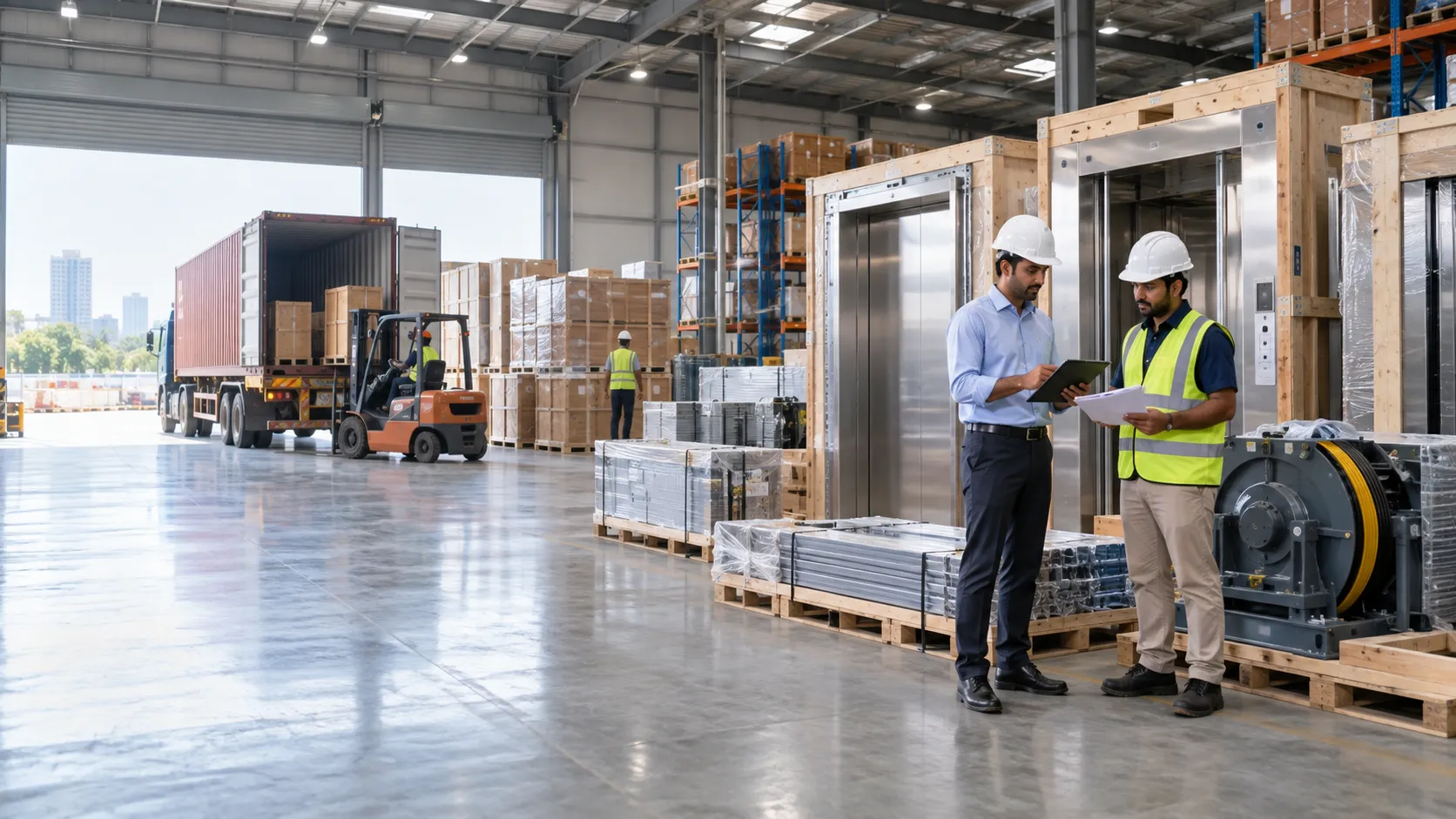
The LC cannot fix a poorly defined elevator order
The bank handles the payment instrument. It does not decide whether the selected lift is suitable for the building.
Before the banking stage, compare the supplier's offer with the building requirement. A technically clear quotation reduces the chance of later changes that affect price, shipment or documentation.
- Review the exact elevator package being offered.
- Check the supplier identity used on the quotation and bank details.
- Confirm model or equipment descriptions that will appear in commercial documents.
- Keep technical revisions controlled after the commercial terms are finalized.
How an elevator LC import normally moves forward
The exact bank process depends on the transaction and current rules. This sequence shows the practical project flow a lift buyer should understand before committing funds.
Building and lift requirement is defined
Confirm the basic project need first. The supplier needs enough technical information to quote the correct package.
Supplier issues the commercial offer or PI
Review the description, value, currency, shipment basis, payment terms and supplier information alongside the lift specification.
Buyer works with the Authorized Dealer bank
The importer submits the transaction details and documents requested by the bank. Bank requirements, margin and approval conditions should be confirmed directly with the chosen bank.
LC terms are checked before issuance
Names, amounts, shipment dates, document conditions and product descriptions should be checked carefully. A small wording error can create avoidable amendment work later.
Production, inspection and shipment follow
Once the commercial arrangement is active, the supplier prepares the equipment. Inspection and packing checks should match the agreed project scope before shipment.
Documents, clearance and local project work continue
Shipment documents move through the agreed banking process while the importer and C&F team manage the relevant Bangladesh clearance steps. Local delivery, installation and commissioning are separate project activities.
Keep the commercial documents consistent
Lift imports often involve several parties. The aim is not to create more paperwork. It is to make sure the paperwork describes the same transaction.
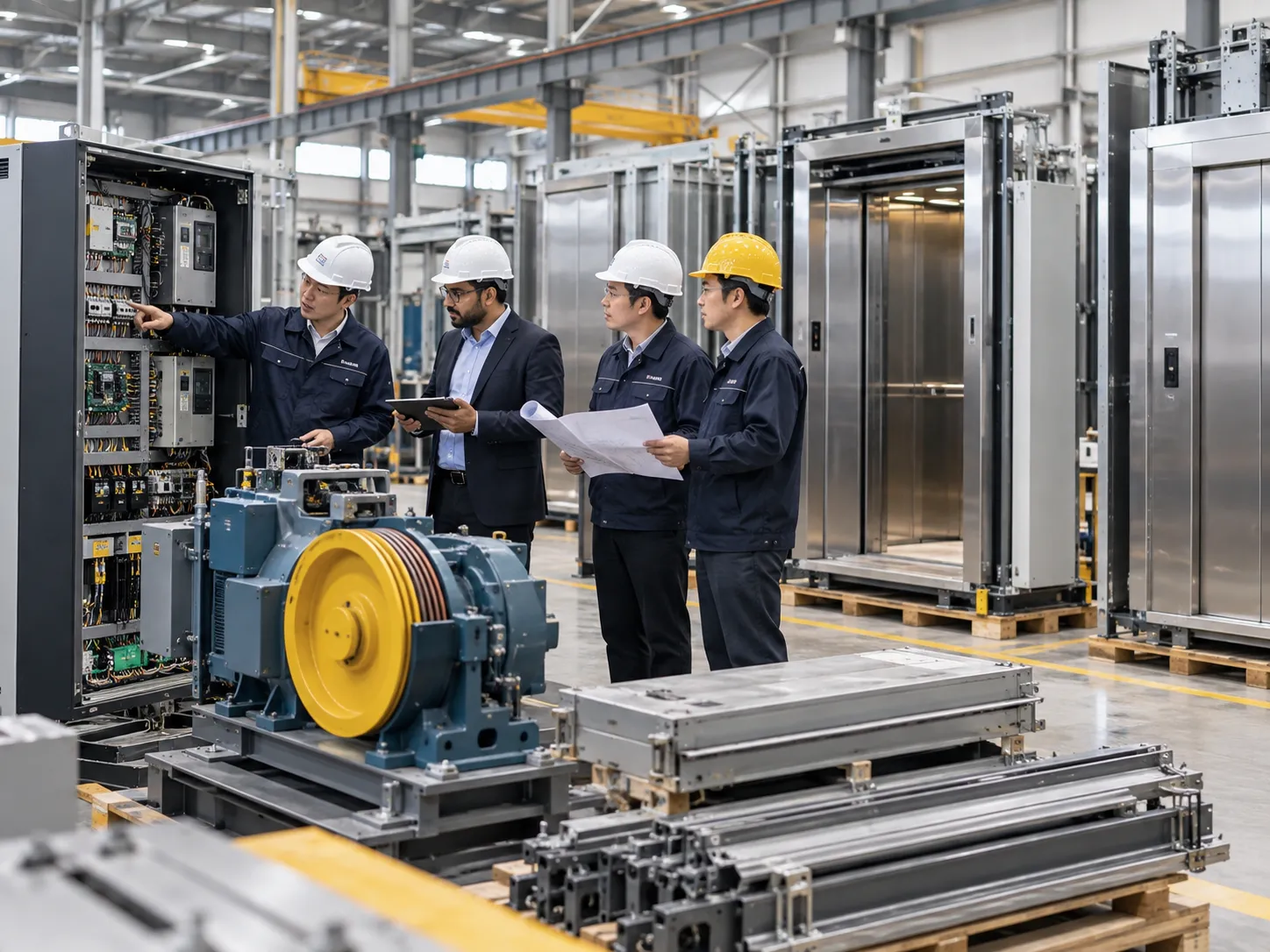
Why the lift specification matters to an LC transaction
An elevator is a project package, not a simple boxed product. A technical revision can affect the commercial value and the description used in transaction documents.
A different load requirement can change major equipment and pricing.
Additional landings can change equipment scope, quantities and project cost.
Door type, opening and quantity should match the building and quoted package.
Premium materials and customized finishes may alter both value and production scope.
Technical selections should be agreed before the commercial order is treated as final.
Know which parts are included in the shipment and which services remain local.

Plan shipment and local delivery before the cargo leaves
The transaction does not end when an LC is issued. Elevator components need organized packing, shipment coordination and a plan for receiving the equipment in Bangladesh.
The site may not be ready at the same time as the shipment. Think ahead about storage, unloading, access to the building and the condition of the lift shaft.
Use inspection to check the order—not to replace the specification
A pre-shipment inspection is most useful when there is a clear reference to check against. That reference may include the agreed technical specification, component list, finishes, quantity and packing requirement.
The inspection scope should be agreed in advance. Do not assume that a general visual inspection proves every technical, regulatory or performance requirement.
- Check key components against the agreed order.
- Review visible model or identification details where relevant.
- Inspect packing condition before dispatch.
- Record obvious shortages, damage or mismatches before shipment.
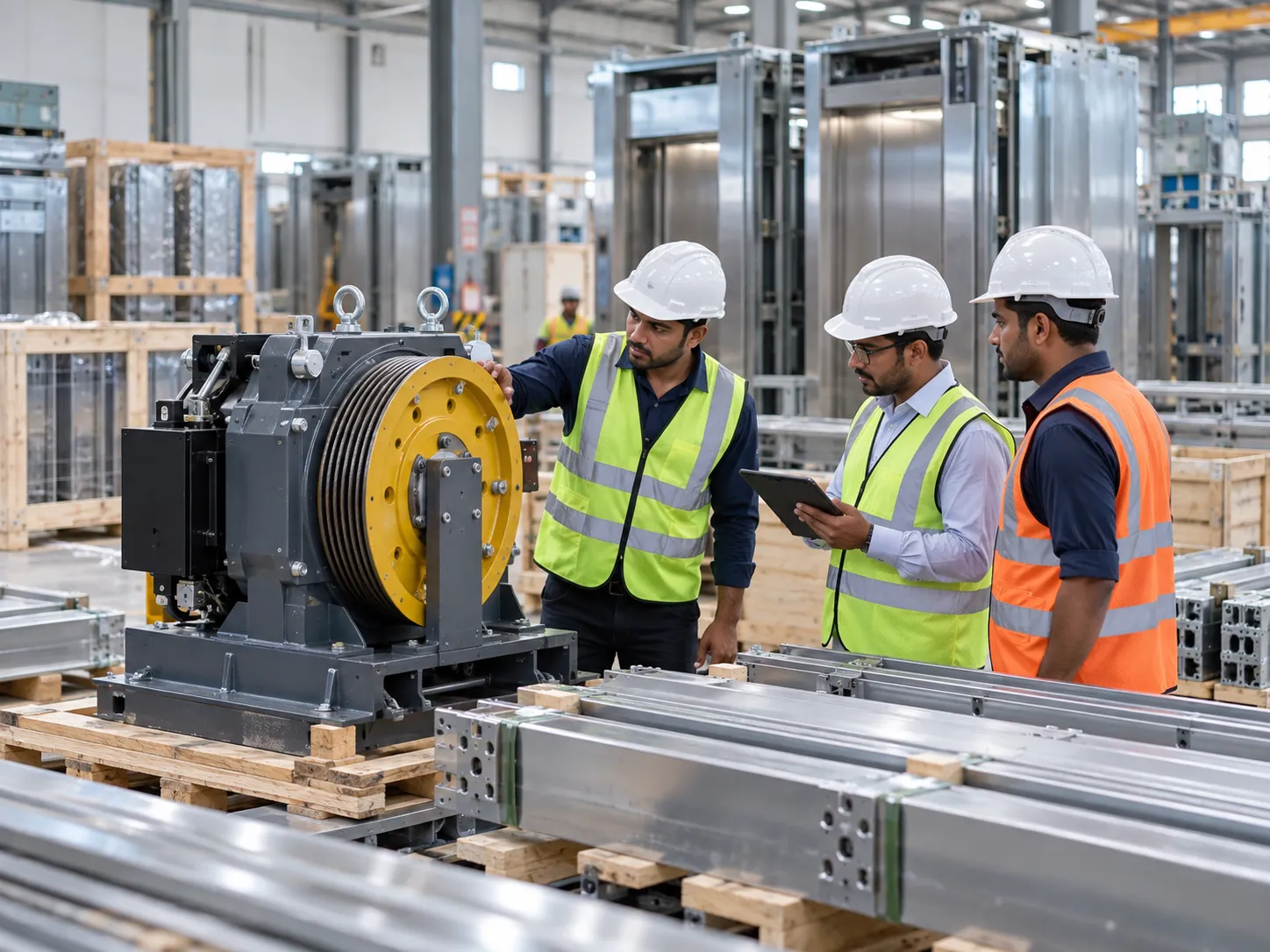
Keep banking, technical and clearance roles clear
Problems often start when one party is expected to answer questions outside its role. Clear responsibility makes the project easier to manage.
| Party | Main role in the process | Questions to confirm with them |
|---|---|---|
| Buyer / importer | Commercial decision, project requirement and coordination. | Budget, selected specification, importer details and internal approvals. |
| Elevator supplier | Quotation, technical package, production and shipment preparation. | Exact scope, PI details, production requirement and shipping documents. |
| Authorized Dealer bank | LC establishment and banking compliance for the transaction. | Current bank documents, LC terms, margin, charges and applicable procedures. |
| C&F / import professional | Transaction-specific customs and clearance coordination. | Current clearance documents, classification and procedural requirements. |
| Lift technical team | Building data, specification review and installation planning. | Shaft, stops, doors, capacity, site readiness and equipment compatibility. |
What should you check before the LC is finalized?
The LC is prepared from a quotation that no longer matches the final lift selection.
Buyer, beneficiary or bank details are inconsistent across documents.
The commercial description is too vague or differs between the PI and LC.
The LC asks for a document or condition the supplier did not agree to provide.
The building requirement changes after commercial terms have already been set.
The cargo is ready but the building, storage area or receiving arrangements are not.
Go deeper only where your project needs it
Common questions before importing a lift by LC
Should I open the LC before the lift specification is final?
Who decides the documents needed for the LC?
Can the LC confirm that the elevator is technically suitable?
Do LC margin and bank charges stay the same?
Where can I check detailed lift import documents?
Start with the building requirement and a clear commercial scope
Share the project basics before you commit to an LC. The technical discussion can help you define the lift requirement and prepare clearer information for supplier and banking conversations.