Lift Supply
Review building and usage requirements before narrowing the elevator configuration.
View service →
Need help with a new lift project or an existing elevator in Mohammadpur? Dhaka Lift Solutions can review lift supply, installation, maintenance, repair and technical service requirements based on the building, equipment and work involved.
Not every elevator enquiry needs the same information. Someone planning a lift for a new building in Mohammadpur will have different questions from a building manager dealing with a door problem, leveling issue or an elevator that has stopped operating correctly.
For a new project, the starting point is usually the building: its use, floors, required stops, available shaft information and expected passenger or load requirement. For an existing elevator, the installed equipment and the behaviour of the fault become more important.
Keeping those two situations separate makes it easier to identify what can be reviewed immediately and what still needs measurement, inspection or technical checking.
A lift may be at the planning stage, under installation, already operating or facing a technical problem. The scope should match that stage rather than treating every enquiry as the same job.
Review building and usage requirements before narrowing the elevator configuration.
View service →Coordinate installation requirements with the shaft, site condition and selected system.
View service →Routine service for elevators already operating in residential or commercial buildings.
View service →Investigate an operating problem before deciding which repair or component work is appropriate.
View service →Review older elevator systems where repeated faults or aging equipment may justify wider upgrades.
View service →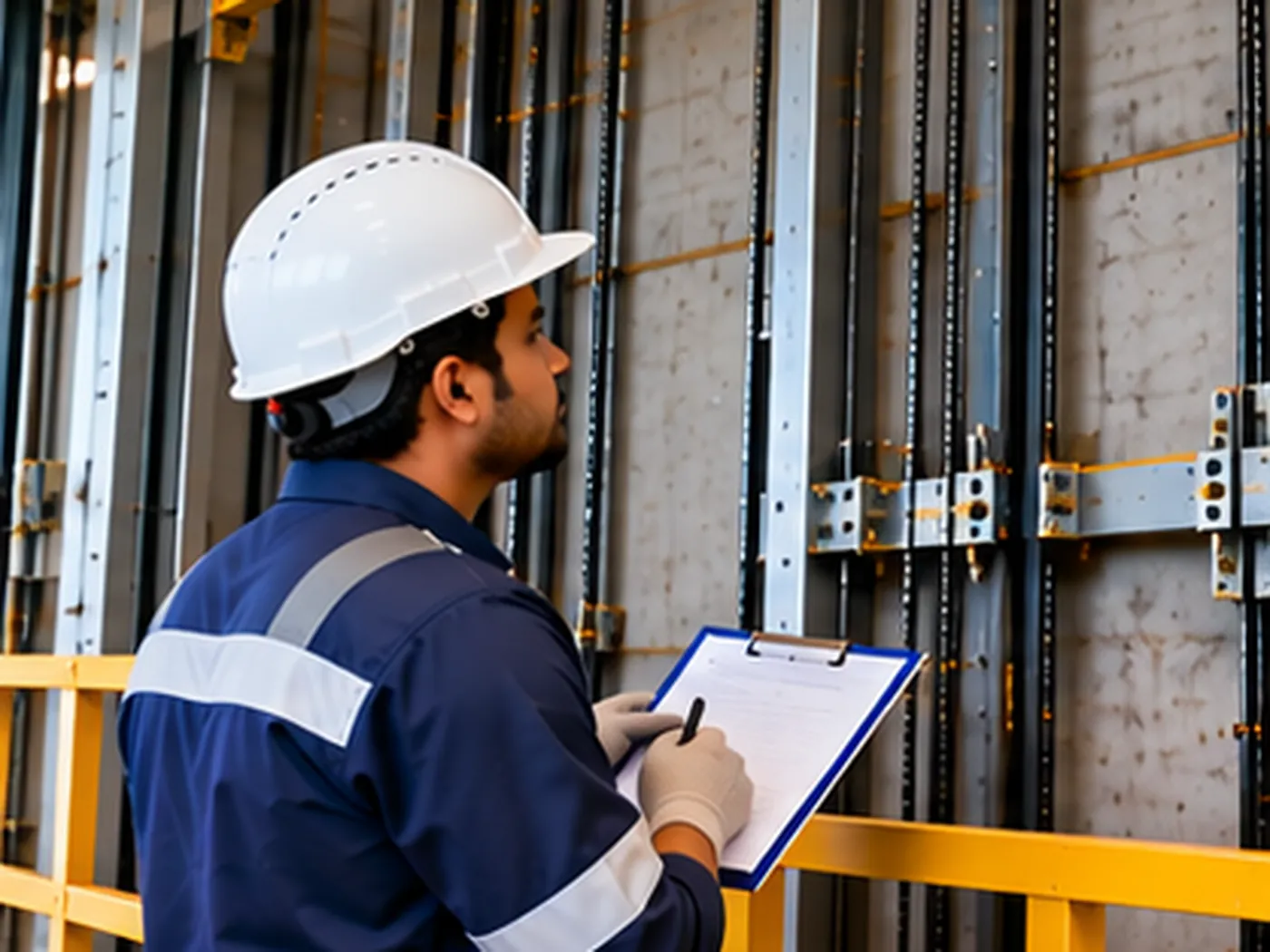
Drawings, measurements, equipment photographs and a clear description can be enough for an initial discussion. They do not always establish the condition of an elevator shaft, controller, door system or another installed component.
Where the recommendation depends on something that cannot be confirmed from the supplied information, an inspection may be needed before defining the work.
Begin with information about the property and the intended lift use. Equipment selection should follow the project requirement.
For an elevator already in service, identify the installed equipment and describe the problem rather than guessing the failed component.
An elevator fault can appear simple from the outside while having several possible causes. A door problem, unexpected stop, leveling issue or unusual sound does not by itself identify the component responsible.
A more useful repair enquiry explains the symptom, when it occurs and whether any error information appears. Equipment identification and photographs can then add context.
The same number of floors can serve very different buildings. Building use, passenger movement, stops, shaft conditions and operating patterns all help shape the lift requirement.
Consider household traffic, floors, stops and available shaft space.
Higher traffic periods and building use can affect the project requirement.
Floor population and expected daily movement are useful planning information.
Different occupants and activities can create varied elevator traffic patterns.
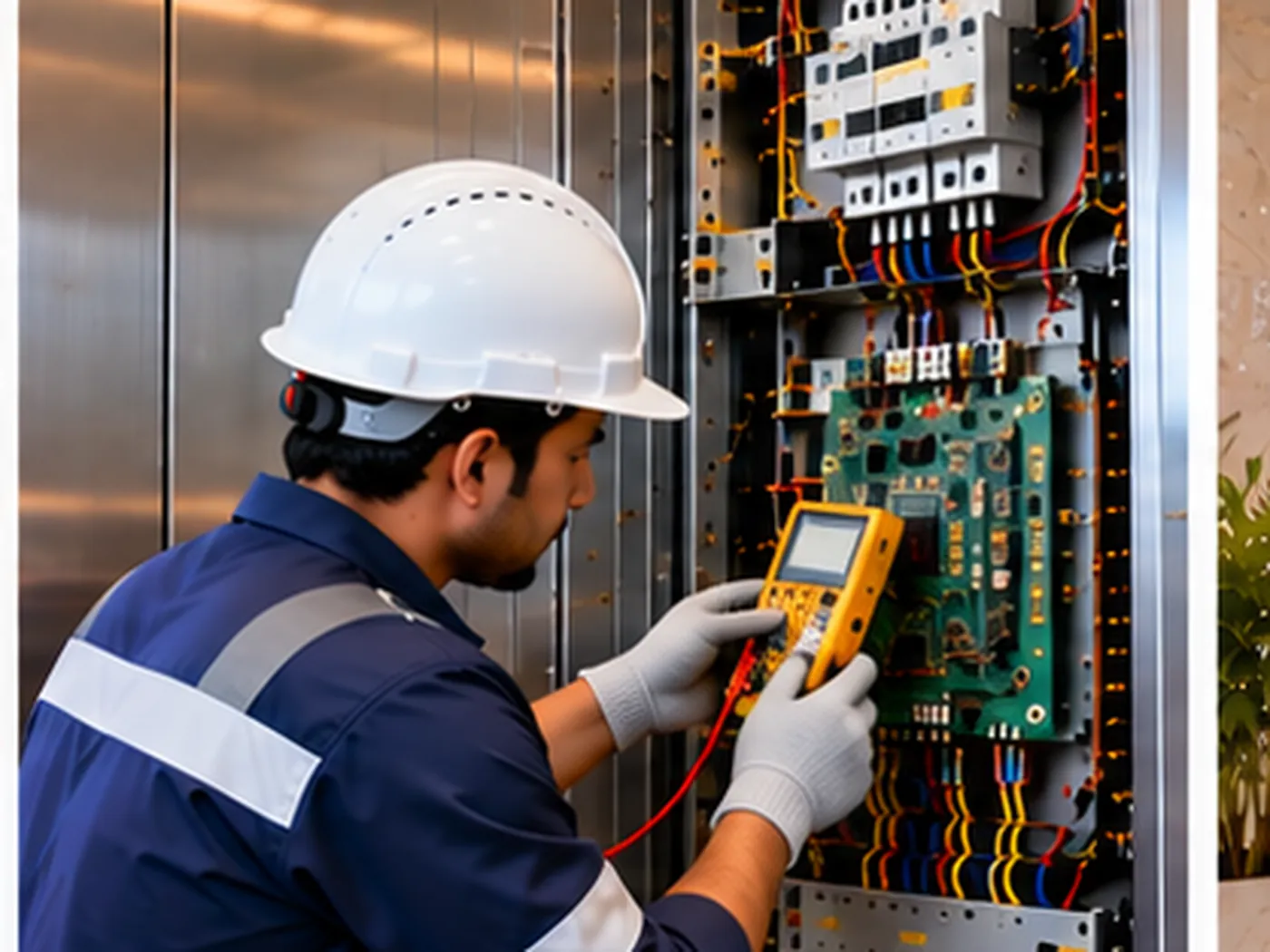
Completing the physical installation does not remove the need to check how the installed elevator functions. The appropriate procedure depends on the equipment and project scope.
Relevant checks may involve door operation, leveling, controls, cabin and landing functions and other system-specific items. The exact work should follow the actual elevator configuration rather than a generic checklist copied from another installation.
The first discussion should establish what is known and what still needs to be checked.
New lift, maintenance, repair or modernization.
Share building information or existing lift details.
Separate confirmed information from items still requiring checks.
Review relevant site, equipment or fault conditions.
Establish the appropriate project or service requirement.
Equipment details can become important long after the original installation. Keeping controller information, component references, photographs and relevant service records can make a future technical enquiry easier to understand.
If a problem returns, note what the elevator was doing at the time. A short history of the symptom is often more useful than simply saying the lift has stopped working.
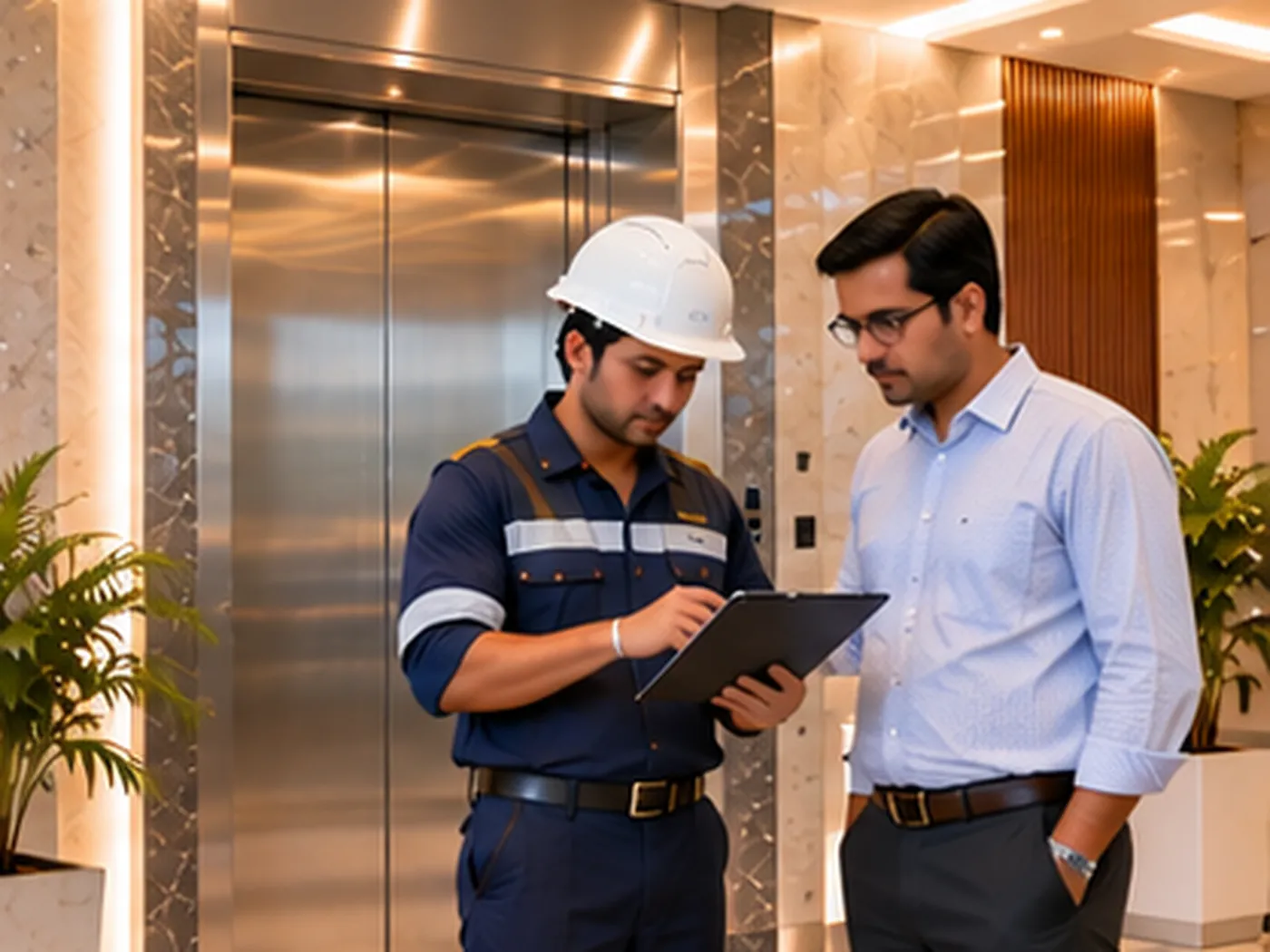
Do not guess dimensions or technical specifications just to complete an enquiry. Reliable partial information is more useful than inaccurate details.
You can discuss lift supply, installation, maintenance, repair, modernization and related technical requirements. The appropriate scope depends on whether you have a new project or an existing elevator.
Start with the building use, number of floors, intended stops and shaft information if available. Include expected passenger or load requirements if these are already known.
Share the lift brand or model if known, controller information, a clear description of the fault, visible error details and relevant equipment photographs.
Photographs can help identify equipment and visible conditions, but they may not establish the cause of a fault. Some problems require physical inspection or testing.
Maintenance concerns routine servicing and condition-based attention. Repair deals with a particular identified problem. An operating elevator can require both at different times.
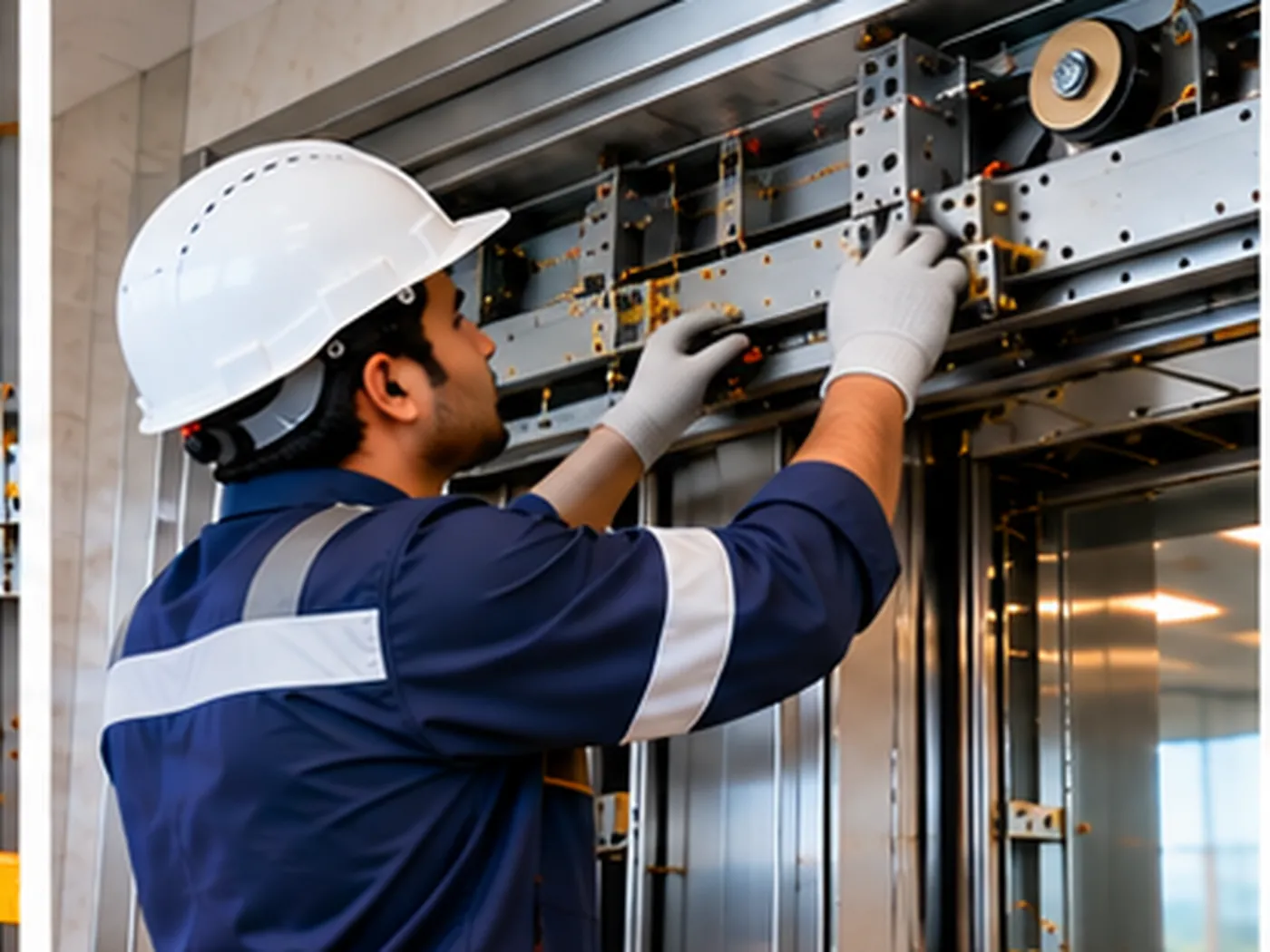
A modernization review may be relevant when aging controls, drives, doors or other systems are associated with recurring issues that are not adequately addressed by isolated repairs.
Appearance alone does not confirm compatibility. Model, controller, electrical, dimensional or other relevant technical information should be checked before selecting a replacement component.
Yes. Send the information you currently have. Missing measurements or technical details that require confirmation can then be identified during the review.
Share the building information for a new project, or send the equipment and fault details for an existing lift. The next step can then be based on what is actually known.